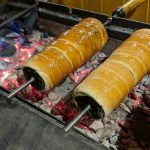
The origins of Brazilian rodizio can be traced back to the southern regions of Brazil, particularly in the state of Rio Grande do Sul, where the gaucho culture flourished. This traditional method of cooking meat, which involves skewering large cuts of beef, lamb, pork, and chicken and roasting them over an open flame, reflects the pastoral lifestyle of the gauchos—Brazilian cowboys who relied on cattle ranching for their livelihood. The practice of rodizio is deeply rooted in the customs and traditions of these ranchers, who would gather around a fire to share meals with family and friends, celebrating their bountiful harvests and the fruits of their labor.
As Brazilian immigrants began to spread across the globe, they brought with them their culinary traditions, including the rodizio style of dining. The first rodizio restaurants outside Brazil emerged in the 1970s and 1980s, primarily in the United States. These establishments introduced diners to the unique experience of continuous meat service, where waiters circulate through the dining room with skewers of freshly grilled meats, carving slices directly onto guests’ plates.
This communal style of dining not only showcases the rich flavors of Brazilian cuisine but also fosters a sense of togetherness and celebration among diners.
Key Takeaways
- Brazilian rodizio originated in the 1800s as a way for cattle ranchers to showcase their meats and cuts to potential buyers.
- Rodizio offers a unique dining experience where servers bring a variety of grilled meats to your table and carve them directly onto your plate.
- At a rodizio, you can expect to be served a wide variety of meats and cuts, including beef, pork, chicken, lamb, and sausage.
- Traditional side dishes and accompaniments at a rodizio include rice, beans, farofa (toasted cassava flour), and Brazilian cheese bread.
- Rodizio holds cultural significance in Brazilian cuisine, representing the country’s rich barbecue tradition and hospitality.
The Unique Dining Experience of Rodizio
Dining at a rodizio restaurant is unlike any other culinary experience. From the moment guests enter Pampa Gaucho Brazilian Steakhouse, they are enveloped in an atmosphere that celebrates Brazilian culture and hospitality. The experience begins with a warm welcome from the staff, who guide diners through the process of enjoying a rodizio meal.
Guests are typically provided with a small card that indicates their preference for meat service—green for “bring me more” and red for “pause.
” This simple yet effective system allows diners to control their pace while indulging in a variety of succulent meats.
As the meal progresses, guests are treated to an endless parade of expertly grilled meats, each one prepared with care and precision. The waitstaff expertly navigate the dining room, presenting skewers of beef, pork, chicken, and lamb, each cut cooked to perfection.
The interactive nature of this dining style creates an engaging atmosphere where guests can savor each bite while enjoying lively conversation with friends and family. The combination of delicious food and vibrant ambiance makes rodizio a memorable experience that keeps diners coming back for more.
The Variety of Meats and Cuts Served at a Rodizio

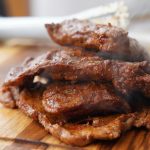
One of the most enticing aspects of a rodizio meal is the incredible variety of meats and cuts available. At Pampa Gaucho Brazilian Steakhouse, guests can expect to indulge in an array of options that cater to all palates. The selection typically includes popular cuts such as picanha (top sirloin), fraldinha (flank steak), and costela (beef ribs), each seasoned with traditional Brazilian spices and grilled to perfection over an open flame.
The careful preparation and cooking methods ensure that each cut retains its natural juices and flavors, resulting in a tender and mouthwatering dining experience. In addition to beef, rodizio menus often feature a selection of pork, chicken, and lamb options. Diners can enjoy succulent pork sausages, juicy chicken thighs marinated in garlic and herbs, and flavorful lamb chops that showcase the diverse culinary influences found in Brazilian cuisine.
This variety not only allows guests to explore different flavors but also encourages them to try new cuts they may not have experienced before. The abundance of choices ensures that every visit to Pampa Gaucho Brazilian Steakhouse is a unique adventure for the taste buds.
The Traditional Side Dishes and Accompaniments
| Side Dish | Origin | Main Ingredients |
|---|---|---|
| Mashed Potatoes | United States | Potatoes, butter, milk |
| Steamed Vegetables | Various | Assorted vegetables |
| Coleslaw | United States | Cabbage, carrots, mayonnaise |
| Garlic Bread | Italy | Bread, garlic, butter |
While the focus of a rodizio meal is undoubtedly on the meats, traditional side dishes play an essential role in creating a well-rounded dining experience. At Pampa Gaucho Brazilian Steakhouse, guests can expect to find a selection of authentic Brazilian accompaniments that complement the rich flavors of the grilled meats. One popular side dish is farofa, a toasted cassava flour mixture often enriched with bacon or vegetables, which adds a delightful crunch and nutty flavor to each bite.
Another staple is pão de queijo, a delicious cheese bread made from tapioca flour that is both gluten-free and irresistibly cheesy.
These warm, fluffy rolls are perfect for soaking up juices from the meats or simply enjoying on their own.
Additionally, diners can indulge in fresh salads featuring vibrant ingredients like tomatoes, cucumbers, and onions dressed in zesty vinaigrettes.
These refreshing sides provide a balance to the richness of the meats and enhance the overall dining experience.
The Cultural Significance of Rodizio in Brazilian Cuisine
Rodizio is more than just a dining style; it is a cultural phenomenon that reflects Brazil’s rich culinary heritage. The communal aspect of rodizio dining embodies the spirit of togetherness that is central to Brazilian culture. Meals are often seen as opportunities for family gatherings and celebrations, where friends come together to share stories and laughter over delicious food.
This sense of community is deeply ingrained in Brazilian society, making rodizio an ideal way to foster connections among diners. Moreover, rodizio showcases Brazil’s diverse culinary influences, which have been shaped by indigenous traditions, European colonization, and African heritage. The use of various cooking techniques and seasonings highlights the country’s rich agricultural resources and regional specialties.
By embracing rodizio as part of its culinary identity, Brazil celebrates its history while inviting others to partake in its vibrant food culture.
The Rise of Rodizio Restaurants in International Markets

In recent years, rodizio restaurants have gained popularity beyond Brazil’s borders, captivating food enthusiasts around the world. As global interest in diverse cuisines continues to grow, many international markets have embraced the rodizio dining experience as a unique offering that sets them apart from traditional steakhouses or barbecue joints. Cities across North America and Europe have seen an influx of rodizio establishments catering to both locals and tourists eager to explore new culinary horizons.
The success of these restaurants can be attributed to several factors. First and foremost is the interactive nature of rodizio dining, which appeals to those seeking memorable experiences rather than just meals. Additionally, the emphasis on high-quality meats prepared with skillful techniques resonates with food lovers who appreciate gourmet dining options.
As more people discover the joys of rodizio at establishments like Pampa Gaucho Brazilian Steakhouse, it is likely that this trend will continue to flourish on an international scale.
Tips for Enjoying a Rodizio Experience
To make the most out of your visit to Pampa Gaucho Brazilian Steakhouse or any rodizio restaurant, there are several tips to keep in mind. First and foremost, arrive with an appetite! Rodizio dining is designed for indulgence, so it’s best to come hungry and ready to sample a variety of meats.
Don’t hesitate to pace yourself; take your time between servings to fully appreciate each cut’s unique flavors. Another helpful tip is to explore the side dishes offered alongside the meats. While it can be tempting to focus solely on the grilled options, traditional accompaniments like farofa and pão de queijo enhance the overall experience by providing contrasting textures and flavors.
Finally, don’t be afraid to ask your server for recommendations or information about specific cuts; they are knowledgeable about the menu and can help guide you through your culinary journey.
How to Host a Rodizio-Style Dinner at Home
For those inspired by their rodizio experience at Pampa Gaucho Brazilian Steakhouse, hosting a rodizio-style dinner at home can be a fun and rewarding endeavor. Start by selecting a variety of meats that you would like to serve—beef cuts like picanha or flank steak are excellent choices, along with chicken thighs or pork sausages for variety. Marinate your meats using traditional Brazilian spices such as garlic, salt, and black pepper to infuse them with flavor.
Next, set up your dining area for an interactive experience. Consider using skewers or metal rods for grilling if you have access to an outdoor grill or rotisserie setup. If not, you can still achieve delicious results using your oven or stovetop grill pan.
Prepare traditional side dishes like farofa and pão de queijo ahead of time so that they are ready when your guests arrive. Finally, create a warm atmosphere by playing Brazilian music in the background and encouraging guests to share stories as they enjoy their meal together—just like they would at a true rodizio restaurant. In conclusion, rodizio dining offers a unique blend of history, culture, and culinary delight that captivates diners around the world.
From its origins among Brazil’s gauchos to its rise as an international phenomenon, this style of dining continues to bring people together through shared experiences and delicious food. Whether you’re enjoying a meal at Pampa Gaucho Brazilian Steakhouse or hosting your own rodizio-style dinner at home, embracing this vibrant tradition is sure to create lasting memories for all involved.
FAQs
What is a Brazilian rodizio?
A Brazilian rodizio is a style of restaurant service in which waiters move from table to table with skewers of meat, slicing portions onto the diners’ plates.
What is typically served at a Brazilian rodizio?
At a Brazilian rodizio, diners can expect to be served a variety of meats such as beef, pork, chicken, and sausage, as well as side dishes like rice, beans, and salads.
How is the meat cooked at a Brazilian rodizio?
The meat at a Brazilian rodizio is typically cooked on large rotisserie grills, which allows for even cooking and a juicy, flavorful result.
Is there a specific way to eat at a Brazilian rodizio?
Diners at a Brazilian rodizio are typically given a small wooden block with one side colored green and the other red. When the green side is facing up, it signals to the waiters that the diner is ready to be served. When the red side is facing up, it indicates that the diner is taking a break from eating.
What is the origin of the Brazilian rodizio?
The Brazilian rodizio has its origins in the traditional gaucho way of cooking meat in southern Brazil, where large cuts of meat were skewered and slow-roasted over open flames. This style of dining has since become popular in Brazilian steakhouses around the world.