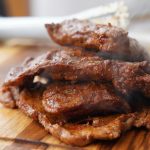
When it comes to grilling, the choice of meat is paramount. In the world of Brazilian barbecue, or churrasco, the cut of meat can make or break the experience. Popular cuts include picanha, a flavorful and tender cut from the top of the rump, and fraldinha, which is known for its rich taste and juiciness.
Other favorites include alcatra, a sirloin cut that offers a perfect balance of tenderness and flavor, and costela, or beef ribs, which are succulent and packed with flavor when cooked properly. Each cut has its unique characteristics, and understanding these can elevate your grilling game significantly. Selecting the right cut also depends on personal preference and the occasion.
For a casual family gathering, you might opt for a more affordable cut like chicken thighs or pork loin, which can still deliver a delicious result when grilled. On the other hand, if you’re hosting a special celebration, investing in premium cuts like ribeye or tenderloin can impress your guests and create a memorable dining experience. Ultimately, knowing your audience and their preferences will guide you in choosing the perfect meat for your churrasco.
Key Takeaways
- Choose cuts of meat with good marbling for juiciness and flavor
- Tenderize the meat and remove excess fat before grilling
- Use a dry rub or marinade to enhance the flavor of the meat
- Understand the differences between gas, charcoal, and wood-fired churrasco grills
- Use a thermometer to monitor and control the grill temperature
- Rotate and flip the meat to ensure even cooking and caramelization
- Pair the churrasco with traditional sides like chimichurri and grilled vegetables
- Serve the churrasco hot and enjoy with friends and family
Preparing the Meat for Grilling
Preparation is key to achieving a mouthwatering churrasco. Before you even think about placing the meat on the grill, it’s essential to ensure that it is at room temperature. This allows for even cooking and helps to retain moisture during the grilling process.
Take the meat out of the refrigerator at least 30 minutes before grilling. This simple step can make a significant difference in the final result. Additionally, trimming excess fat is crucial for certain cuts.
While some fat can enhance flavor and juiciness, too much can lead to flare-ups on the grill and an overly greasy final product. For instance, with picanha, you want to leave a good layer of fat on one side to keep it moist while cooking, but trimming away any excessive fat will help prevent unwanted smoke and char. Once trimmed, pat the meat dry with paper towels to remove any moisture that could hinder the searing process.
Proper preparation sets the stage for a successful grilling experience.
Seasoning and Marinating Techniques

Seasoning is an art form that can elevate your churrasco to new heights. In traditional Brazilian barbecue, simplicity reigns supreme; often, all you need is coarse sea salt to enhance the natural flavors of the meat. The salt draws out moisture from the meat, creating a brine that penetrates deeply, resulting in a juicy and flavorful bite.
However, if you want to experiment with flavors, consider using a marinade that complements the cut of meat without overpowering it. For example, a marinade made with garlic, olive oil, and fresh herbs can add depth to chicken or pork cuts. Allowing the meat to marinate for several hours or overnight can infuse it with flavor while also tenderizing it.
Just be cautious not to marinate beef cuts for too long; acidic ingredients like vinegar or citrus can break down the proteins too much, resulting in a mushy texture. Ultimately, whether you choose to keep it simple with salt or explore more complex marinades, seasoning is essential for creating a delicious churrasco.
Understanding the Different Types of Churrasco Grills
| Churrasco Grill Type | Description |
|---|---|
| Traditional Churrasco Grill | A simple grill with a metal grate over an open flame, often fueled by charcoal or wood. |
| Rotisserie Churrasco Grill | Features a rotating spit to cook meat evenly over a fire or heat source. |
| Gas Churrasco Grill | Uses gas as a fuel source for convenient and consistent heat control. |
| Electric Churrasco Grill | Powered by electricity, offering easy temperature regulation and indoor use. |
The type of grill you use can significantly impact your churrasco experience. Traditional Brazilian churrasco is often cooked on a churrasqueira, which is designed specifically for this style of cooking. These grills typically feature an open flame or charcoal bed that allows for high heat and direct cooking.
Some models come equipped with rotisserie attachments that enable you to cook larger cuts of meat evenly while basting them in their own juices. Alternatively, if you’re using a standard gas or charcoal grill at home, you can still achieve great results by adjusting your cooking techniques. For instance, using indirect heat can help cook larger cuts more evenly without burning the exterior.
Understanding how different grills work will allow you to adapt your cooking style and achieve that authentic churrasco flavor no matter what equipment you have at your disposal.
Controlling the Grill Temperature
Temperature control is crucial when grilling meat to perfection. For churrasco, you want to achieve a high heat that allows for a beautiful sear while keeping the inside juicy and tender. If you’re using charcoal, let it burn down until it’s covered in white ash before placing your meat on the grill; this indicates that it’s reached optimal cooking temperature.
For gas grills, preheating is essential—allow it to reach around 450°F to 500°F before adding your cuts. Monitoring temperature throughout the cooking process is equally important. Using an instant-read thermometer can help ensure that your meat reaches the desired doneness without overcooking.
For example, picanha is best served medium-rare at around 130°F to 135°F internal temperature. By keeping an eye on both grill temperature and internal meat temperature, you can achieve perfectly cooked churrasco every time.
Mastering the Art of Rotating and Flipping the Meat

Grilling is not just about placing meat on heat; it’s about technique as well. Mastering how to rotate and flip your meat can enhance its flavor and texture significantly. For larger cuts like picanha or ribs, it’s essential to turn them periodically to ensure even cooking on all sides.
This technique allows for better heat distribution and prevents one side from becoming overly charred while another remains undercooked. When flipping smaller cuts like sausages or chicken skewers, use tongs instead of a fork to avoid piercing the meat and losing precious juices. A gentle flip will help maintain moisture while allowing for those beautiful grill marks that add both flavor and visual appeal.
The art of rotating and flipping is about patience; resist the urge to constantly move your meat around—let it sear properly before turning for optimal results.
Perfecting the Sides and Accompaniments
While the star of any churrasco is undoubtedly the meat, sides play an equally important role in creating a well-rounded meal. Traditional Brazilian accompaniments include farofa (toasted cassava flour), vinaigrette salsa (a fresh tomato and onion salad), and pão de queijo (cheese bread). These sides not only complement the rich flavors of grilled meats but also add texture and variety to your plate.
When planning your menu, consider incorporating seasonal vegetables that can be grilled alongside your meats. Bell peppers, zucchini, and corn on the cob are excellent choices that add color and nutrition to your meal. Additionally, serving a refreshing salad or a light dip can balance out the richness of the meats and enhance the overall dining experience.
The right sides can elevate your churrasco from a simple meal to an unforgettable feast.
Serving and Enjoying the Churrasco Experience
The final step in creating an authentic churrasco experience is how you serve and enjoy it with family and friends. Traditionally in Brazil, churrasco is served family-style; large platters of grilled meats are placed at the center of the table for everyone to share. This communal approach fosters connection and conversation among diners as they pass around dishes and sample different cuts.
To enhance this experience further, consider pairing your meal with traditional Brazilian beverages such as caipirinhas or refreshing fruit juices. As you gather around the table, take time to savor each bite while enjoying lively conversation with loved ones. The essence of churrasco lies not just in the food but in the shared experience of coming together over delicious grilled meats and vibrant sides—a celebration of culture, flavor, and community that leaves lasting memories long after the last bite has been enjoyed.