Brazilian barbecue, known as “churrasco,” has deep roots that intertwine with the country’s cultural and historical tapestry. The origins of churrasco can be traced back to the gauchos, the cowboys of the southern Brazilian pampas, who would cook meat over open flames while tending to cattle. This method of cooking was not only practical but also a celebration of the abundant resources available in the region.
As the gauchos roamed the vast grasslands, they developed a unique style of barbecue that emphasized the quality of the meat and the simplicity of preparation. Over time, this tradition evolved, influenced by various immigrant communities, particularly those from Europe, who brought their culinary techniques and flavors to Brazil. As Brazil transformed into a melting pot of cultures, so too did its barbecue traditions.
The introduction of different cuts of meat and cooking styles enriched the churrasco experience, making it a beloved culinary art form across the nation. Today, Brazilian barbecue is not just a meal; it is a social event that brings families and friends together. The communal aspect of sharing food around a grill has made churrasco an integral part of Brazilian culture, celebrated at gatherings, festivals, and special occasions.
The history of Brazilian barbecue is a testament to the country’s diverse heritage and its enduring love for good food and fellowship.
Key Takeaways
- Brazilian barbecue, or churrasco, has a long history dating back to the indigenous people of Brazil and has been influenced by Portuguese and African cooking techniques.
- The different cuts of meat used in Brazilian barbecue include picanha (top sirloin), fraldinha (flank steak), costela (beef ribs), and linguica (sausage), among others.
- Traditional seasonings and marinades used in Brazilian barbecue include rock salt, garlic, and sometimes beer or lime juice for added flavor.
- Essential equipment for a Brazilian barbecue includes a churrasqueira (barbecue grill), skewers, and a meat thermometer for perfect cooking.
- The art of cooking Brazilian barbecue involves techniques such as using high heat to sear the meat and then slow cooking it to perfection, as well as knowing when to flip and when to remove from the grill.
- Side dishes and accompaniments for Brazilian barbecue often include farofa (toasted cassava flour), vinaigrette (a tomato and onion salsa), and pao de queijo (cheese bread).
- Hosting a successful churrasco involves creating a welcoming atmosphere, providing plenty of food and drinks, and allowing guests to socialize and enjoy the experience.
- Brazilian barbecue restaurants and events can be found in major cities around the world, offering a taste of authentic churrasco and a lively atmosphere for diners to enjoy.
The Different Cuts of Meat Used in Brazilian Barbecue
One of the hallmarks of Brazilian barbecue is the variety of cuts of meat that are used, each offering a unique flavor and texture. The most popular cuts include picanha, which is a flavorful cut from the top of the sirloin, known for its tenderness and rich taste. This cut is often seasoned simply with coarse salt to enhance its natural flavors before being grilled to perfection.
Another favorite is the fraldinha, or flank steak, which is marbled with fat and provides a juicy bite that is hard to resist. The way these cuts are prepared and served is what sets Brazilian barbecue apart from other grilling traditions. In addition to picanha and fraldinha, other cuts such as costela (beef ribs), alcatra (top sirloin), and linguiça (Brazilian sausage) are also staples at any churrasco.
Each cut has its own unique characteristics that contribute to the overall experience. For instance, costela is often slow-cooked to allow the meat to become tender and flavorful, while linguiça adds a spicy kick to the mix. The variety of meats available ensures that there is something for everyone at a Brazilian barbecue, making it a feast that caters to diverse palates.
The Traditional Seasonings and Marinades Used in Brazilian Barbecue

The beauty of Brazilian barbecue lies not only in the quality of the meat but also in the traditional seasonings and marinades that elevate its flavor profile. One of the most common seasonings used is coarse sea salt, which is often applied generously to enhance the natural taste of the meat without overpowering it. This minimalist approach allows the quality of the meat to shine through while still providing a satisfying burst of flavor.
In addition to salt, many Brazilian barbecuers incorporate marinades made from ingredients like garlic, olive oil, and herbs. These marinades can infuse the meat with additional layers of flavor while also helping to tenderize tougher cuts. Some may even use chimichurri sauce—a vibrant blend of parsley, garlic, vinegar, and oil—as a condiment to accompany grilled meats.
This sauce not only adds brightness but also complements the richness of the meat beautifully. The combination of simple seasonings and flavorful marinades is what makes Brazilian barbecue an unforgettable culinary experience.
The Essential Equipment for a Brazilian Barbecue
| Equipment | Description |
|---|---|
| Churrasqueira (Barbecue Grill) | A grill for cooking the meat over charcoal or wood fire. |
| Picanha Knife | A sharp, long knife used for slicing the picanha (top sirloin cap). |
| Skewers | Long metal skewers for grilling various types of meat. |
| Tongs | Used for flipping and handling the meat on the grill. |
| Cutting Board | A sturdy surface for cutting and preparing the meat. |
| Meat Thermometer | To ensure the meat is cooked to the desired level of doneness. |
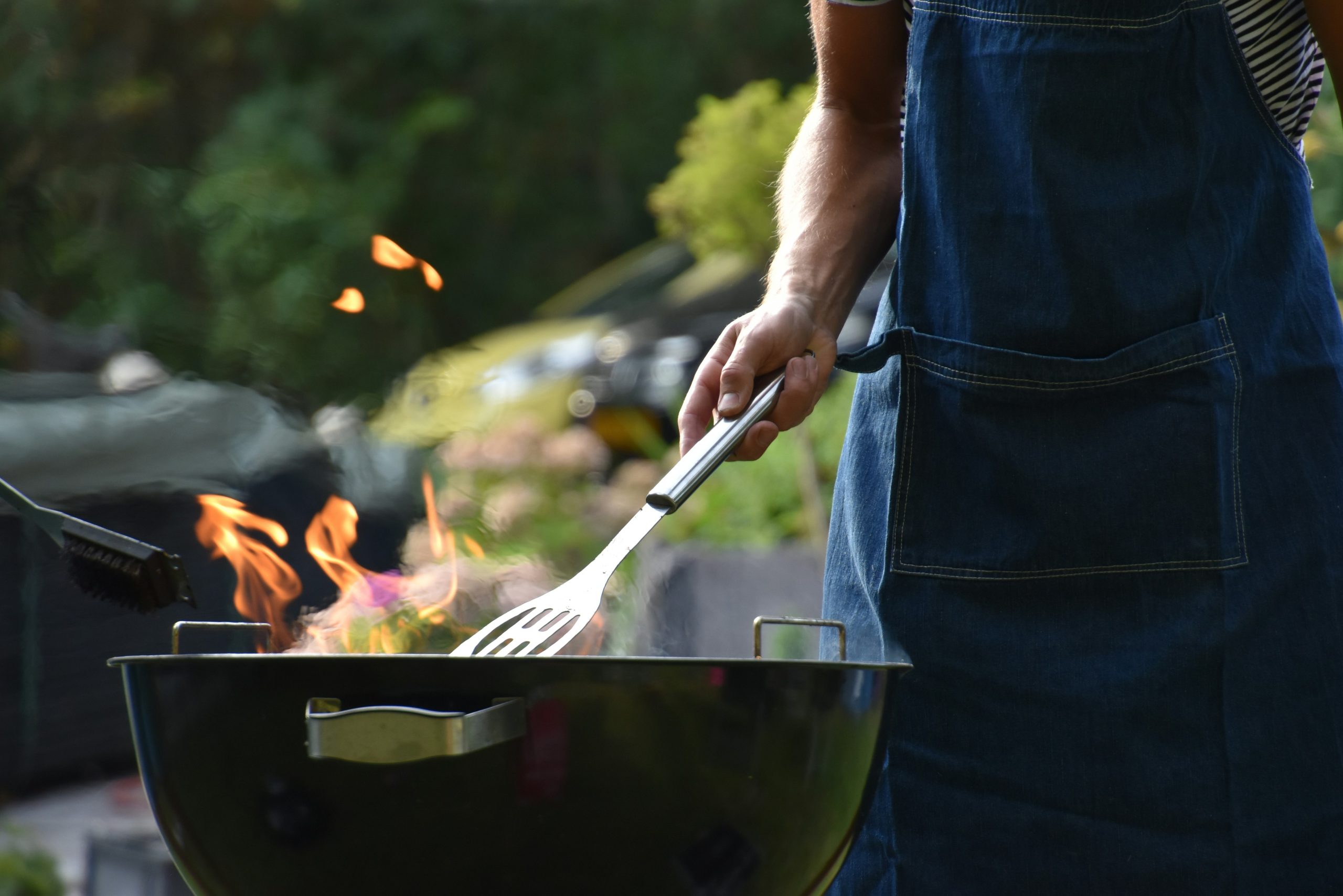
To achieve authentic Brazilian barbecue at home, having the right equipment is essential. A traditional churrasqueira, or grill, is at the heart of any churrasco setup. These grills are often designed with an open flame or charcoal base that allows for even cooking and imparting a smoky flavor to the meat.
Many churrasqueiras also come equipped with adjustable grates, enabling cooks to control the distance between the heat source and the meat for optimal cooking results. In addition to the grill itself, skewers are another crucial component for preparing Brazilian barbecue. Long metal or wooden skewers are used to hold various cuts of meat as they cook over the flames.
This method not only makes it easy to turn and baste the meat but also allows for an impressive presentation when serving guests. Other essential tools include tongs for handling hot meat, a sharp knife for slicing perfectly cooked cuts, and a basting brush for applying marinades or sauces during grilling. With these tools in hand, anyone can create an authentic churrasco experience right in their backyard.
The Art of Cooking Brazilian Barbecue: Tips and Techniques
Cooking Brazilian barbecue is as much an art as it is a science, requiring attention to detail and a passion for flavor. One key technique is to allow the meat to come to room temperature before grilling; this ensures even cooking throughout. Additionally, preheating the grill is crucial for achieving that perfect sear on the outside while keeping the inside juicy and tender.
A hot grill will create those beautiful grill marks that are not only visually appealing but also enhance flavor through caramelization. Another important aspect of cooking churrasco is knowing when to flip or rotate the meat. Patience is key; allowing each side to develop a nice crust before turning will result in better texture and flavor.
Basting with marinades during cooking can also add moisture and enhance taste without overwhelming the natural flavors of the meat. Finally, resting the meat after grilling is essential; this allows juices to redistribute throughout the cut, ensuring every bite is succulent and flavorful.
Side Dishes and Accompaniments for Brazilian Barbecue

No Brazilian barbecue would be complete without an array of delicious side dishes and accompaniments that complement the rich flavors of grilled meats. One classic side is farofa, a toasted cassava flour mixture often enriched with ingredients like bacon, onions, and herbs. This crunchy topping adds texture and depth to each bite of meat while providing a delightful contrast in flavors.
Another popular accompaniment is vinagrete, a fresh salsa made from diced tomatoes, onions, bell peppers, vinegar, and olive oil. This zesty condiment brightens up grilled meats and adds a refreshing element to each mouthful. Additionally, rice and beans are staple sides in Brazilian cuisine that pair perfectly with churrasco, providing a hearty base that balances out the richness of grilled meats.
Together with these sides, diners can enjoy a well-rounded meal that showcases the best of Brazilian flavors.
The Social Aspect of Brazilian Barbecue: How to Host a Successful Churrasco
Hosting a successful churrasco goes beyond just preparing delicious food; it’s about creating an inviting atmosphere where friends and family can gather and enjoy each other’s company. The social aspect of Brazilian barbecue is deeply ingrained in its culture; it’s an event meant for sharing stories, laughter, and good times around great food. To set the stage for an unforgettable experience, consider arranging seating that encourages conversation and interaction among guests.
When planning your menu, be sure to offer a variety of meats and sides to cater to different tastes. Providing options for both carnivores and vegetarians ensures everyone feels included in the feast. Additionally, consider incorporating traditional Brazilian drinks like caipirinhas or guaraná soda to enhance the cultural experience.
As guests arrive, encourage them to mingle while you grill; this interactive element fosters camaraderie and makes everyone feel like part of the cooking process.
A Guide to Brazilian Barbecue Restaurants and Events
For those who want to experience authentic Brazilian barbecue without firing up their own grill, visiting a local churrascaria is an excellent option. These restaurants specialize in serving various cuts of grilled meats brought directly to your table by skilled passadores (meat waiters). At Pampa Gaucho Brazilian Steakhouse in Lighthouse Point/Deerfield Beach, guests can indulge in an array of expertly prepared meats alongside traditional sides in a warm and inviting atmosphere.
In addition to dining out at restaurants like Pampa Gaucho, attending local events centered around Brazilian barbecue can be an exciting way to immerse yourself in this culinary tradition. Many festivals celebrate Brazilian culture through food, music, and dance—offering attendees an opportunity to sample different styles of churrasco while enjoying live entertainment. Whether you’re dining at a restaurant or participating in community events, experiencing Brazilian barbecue is sure to leave you with lasting memories filled with flavor and joy.