Brazilian churrasco has a rich and storied history that dates back to the early 19th century, deeply rooted in the traditions of the gauchos, the cowboys of the Pampas region. These skilled horsemen were known for their ability to manage vast herds of cattle, and they developed a unique method of cooking meat over open flames. The gauchos would often gather around a fire, skewering large cuts of beef on long metal or wooden sticks, allowing the meat to cook slowly while absorbing the smoky flavors of the wood.
This communal cooking style not only provided sustenance but also fostered a sense of camaraderie among those who participated. As Brazil evolved, so did the practice of churrasco. The dish became a staple at social gatherings and celebrations, symbolizing hospitality and generosity.
Over time, churrasco spread beyond the rural areas and into urban centers, where it was embraced by diverse communities. Today, Brazilian churrasco is celebrated not just as a meal but as an experience that brings people together, showcasing the country’s culinary heritage. The rise of churrascarias—restaurants specializing in this style of cooking—has further popularized the tradition, making it accessible to both locals and tourists alike.
Key Takeaways
- Brazilian churrasco has a rich history dating back to the 17th century, influenced by Portuguese colonizers and indigenous cooking techniques.
- The unique cooking techniques of Brazilian churrasco involve slow-roasting large cuts of meat on skewers over an open flame, resulting in juicy and flavorful meat.
- Brazilian churrasco utilizes a variety of cuts of meat, including picanha (top sirloin), fraldinha (flank steak), and costela (beef ribs), each with its own unique flavor and texture.
- Traditional seasonings and marinades for Brazilian churrasco include rock salt, garlic, and sometimes beer or lime juice, enhancing the natural flavors of the meat.
- Brazilian churrasco differs from American BBQ in its focus on skewered meats and minimal use of sauces, highlighting the natural flavors of the meat.
The Unique Cooking Techniques of Brazilian Churrasco
The cooking techniques employed in Brazilian churrasco are what set it apart from other grilling methods. One of the most distinctive features is the use of skewers, known as “espeto.” These skewers can be made from metal or wood and are used to hold large cuts of meat over an open flame or charcoal grill. The meat is often cooked slowly, allowing it to retain its juices and develop a rich flavor profile.
This method not only enhances the taste but also creates a visually stunning presentation as the skewers are brought to the table for guests to enjoy. Another hallmark of Brazilian churrasco is the use of “churrasqueira,” a specialized grill designed for this cooking style. These grills often feature adjustable heights, allowing chefs to control the distance between the meat and the heat source.
This flexibility is crucial for achieving the perfect level of doneness while ensuring that the exterior is beautifully charred. Additionally, many churrasqueiras are built with a chimney to help manage smoke and heat, further enhancing the cooking process. The combination of these techniques results in tender, flavorful meat that is a hallmark of any authentic Brazilian steakhouse experience.
The Different Cuts of Meat Used in Brazilian Churrasco

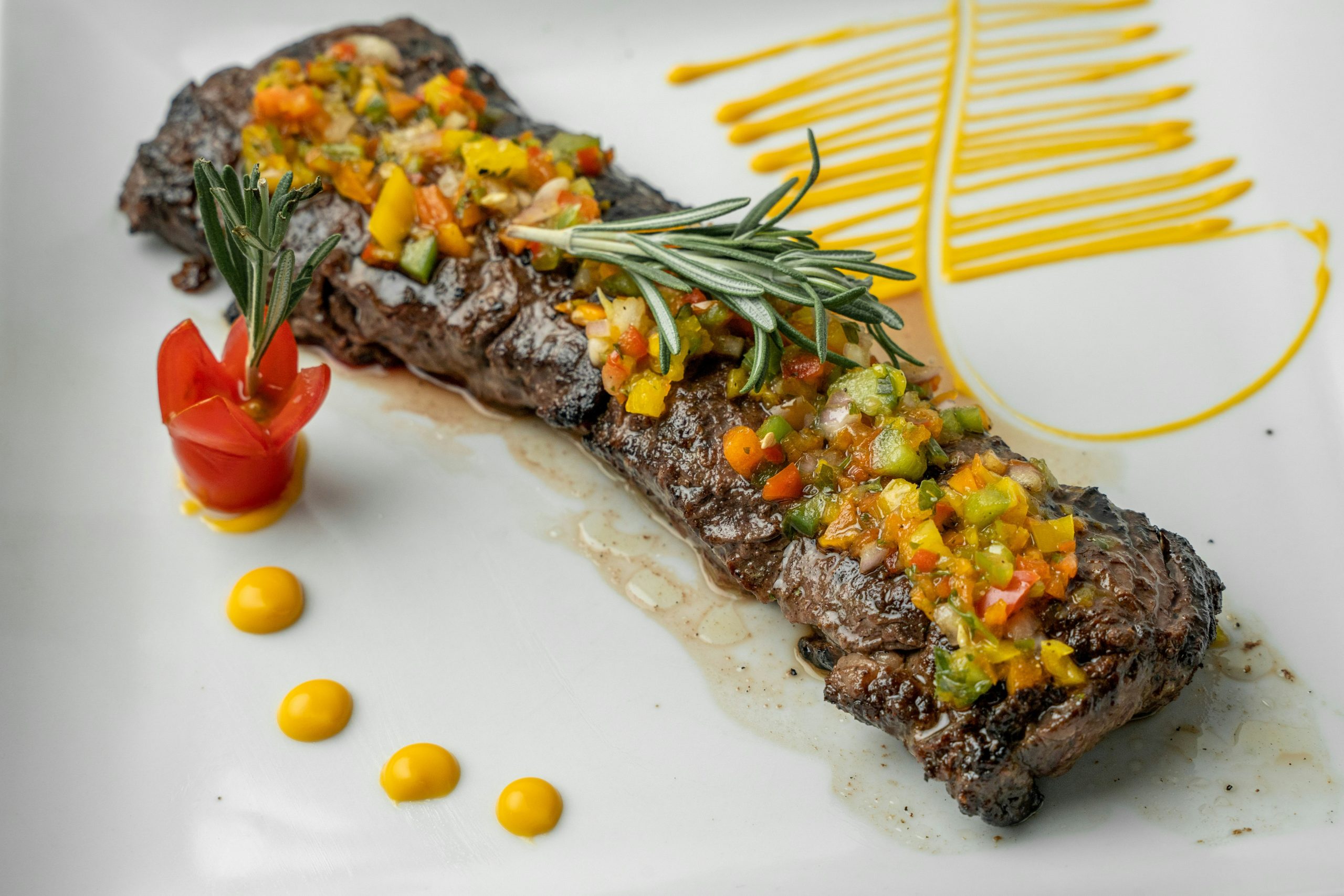
One of the most exciting aspects of Brazilian churrasco is the variety of cuts of meat that can be used. While beef is the star of the show, there are numerous options available, each offering its own unique flavor and texture. Popular cuts include picanha, a flavorful cut from the top of the rump that is often seasoned simply with coarse salt; fraldinha, or flank steak, known for its tenderness; and costela, or beef ribs, which are slow-cooked to perfection.
Each cut is carefully selected for its quality and marbling, ensuring a delicious dining experience. In addition to beef, Brazilian churrasco also features a range of other meats, including pork, chicken, and lamb. Pork sausages, known as “linguiça,” are often served alongside beef, adding a savory element to the meal.
Chicken hearts are another popular choice, marinated and grilled to create a unique flavor that many diners find irresistible. The diversity of cuts and meats available at a churrascaria allows guests to sample a wide array of flavors and textures, making each visit a culinary adventure.
The Traditional Seasonings and Marinades of Brazilian Churrasco
| Seasoning/Marinade | Ingredients | Usage |
|---|---|---|
| Garlic Marinade | Garlic, olive oil, salt, black pepper, lime juice | Used to marinate beef, chicken, or pork before grilling |
| Chimichurri Sauce | Parsley, garlic, oregano, red pepper flakes, olive oil, vinegar | Served as a condiment for grilled meats |
| Farofa | Cassava flour, butter, bacon, onions, eggs | Sprinkled on grilled meats as a side dish |
| Sal Grosso | Coarse salt | Used as a simple seasoning for meats before grilling |
The seasoning and marinades used in Brazilian churrasco play a crucial role in enhancing the natural flavors of the meat. One of the most common methods is to simply use coarse sea salt, which helps to draw out moisture while creating a delicious crust on the exterior of the meat. This minimalist approach allows the quality of the meat to shine through without overwhelming it with complex flavors.
However, some cuts benefit from more elaborate marinades that incorporate ingredients like garlic, olive oil, and herbs. For instance, a marinade made with fresh herbs such as rosemary or thyme can add depth to chicken or pork dishes. Additionally, some chefs may choose to use chimichurri sauce—a vibrant blend of parsley, garlic, vinegar, and oil—as a condiment served alongside grilled meats.
This sauce not only complements the flavors but also adds a refreshing contrast to the richness of the grilled meats.
Comparing Brazilian Churrasco to American BBQ
While both Brazilian churrasco and American BBQ celebrate grilled meats, they differ significantly in terms of preparation methods and flavor profiles. American BBQ often involves slow-cooking meats over indirect heat for extended periods, allowing for deep penetration of smoky flavors from wood chips or charcoal. This method results in tender meats that are often slathered in rich sauces before serving.
In contrast, Brazilian churrasco focuses on high-heat grilling with minimal seasoning. The emphasis is on showcasing the quality of the meat itself rather than masking it with sauces or marinades. While American BBQ may feature a variety of sauces ranging from sweet to tangy, Brazilian churrasco typically relies on simple seasonings like salt and chimichurri for added flavor.
This fundamental difference highlights how each culture approaches grilling and reflects their unique culinary traditions.
Exploring the Differences Between Brazilian Churrasco and Argentinian Asado

While both Brazilian churrasco and Argentinian asado share similarities as traditional South American grilling methods, they also exhibit distinct characteristics that set them apart. One key difference lies in the types of meats used; while both styles feature beef prominently, Argentinian asado often includes a wider variety of cuts such as short ribs and flank steak. Additionally, Argentinian asado places a greater emphasis on using wood for grilling rather than charcoal, which can impart different flavors to the meat.
Another notable distinction is in the social aspect surrounding each tradition. In Argentina, asado is often seen as a leisurely event that can last for hours or even days, with friends and family gathering around the grill to enjoy not just food but also conversation and camaraderie. In contrast, Brazilian churrasco tends to be more focused on efficiency and speed; servers at a churrascaria will bring skewers of meat directly to diners’ tables in a continuous flow until guests signal they are satisfied.
This difference in dining style reflects broader cultural attitudes toward food and socializing in each country.
The Social and Cultural Significance of Brazilian Churrasco
Brazilian churrasco is more than just a meal; it embodies social interaction and cultural identity. Traditionally enjoyed during family gatherings, celebrations, and holidays, churrasco serves as a focal point for bringing people together. The act of sharing food around a communal grill fosters connections among family members and friends alike.
It is not uncommon for Brazilians to spend entire weekends enjoying leisurely barbecues filled with laughter, music, and storytelling. Moreover, churrasco has become an integral part of Brazil’s national identity. It represents not only culinary excellence but also cultural pride.
As Brazil continues to grow as a global culinary destination, churrasco has gained international recognition, attracting food enthusiasts from around the world who seek authentic experiences. This cultural significance reinforces Brazil’s reputation as a vibrant nation where food plays an essential role in social life.
Tips for Hosting a Brazilian Churrasco BBQ at Home
Hosting your own Brazilian churrasco BBQ at home can be an exciting way to share this culinary tradition with friends and family. To start, invest in quality cuts of meat—picanha is an excellent choice for its flavor and tenderness. Make sure to season your meats simply with coarse salt before grilling; this will enhance their natural flavors without overpowering them.
Next, consider your grilling setup. If you have access to an outdoor grill or churrasqueira, ensure it is preheated properly before adding your skewers. If you’re using wooden skewers, soak them in water beforehand to prevent burning during cooking.
As you grill your meats, remember to keep an eye on their doneness; using a meat thermometer can help ensure they reach your desired level. Finally, don’t forget about sides! Traditional accompaniments like farofa (toasted cassava flour), rice, and fresh salads can elevate your meal while providing balance to the rich flavors of grilled meats.
And for dessert? A refreshing fruit salad or traditional Brazilian sweets like brigadeiros will round out your feast perfectly. By embracing these tips and celebrating the spirit of Brazilian churrasco at home, you can create an unforgettable experience that captures the essence of this beloved culinary tradition while bringing loved ones together around delicious food.