
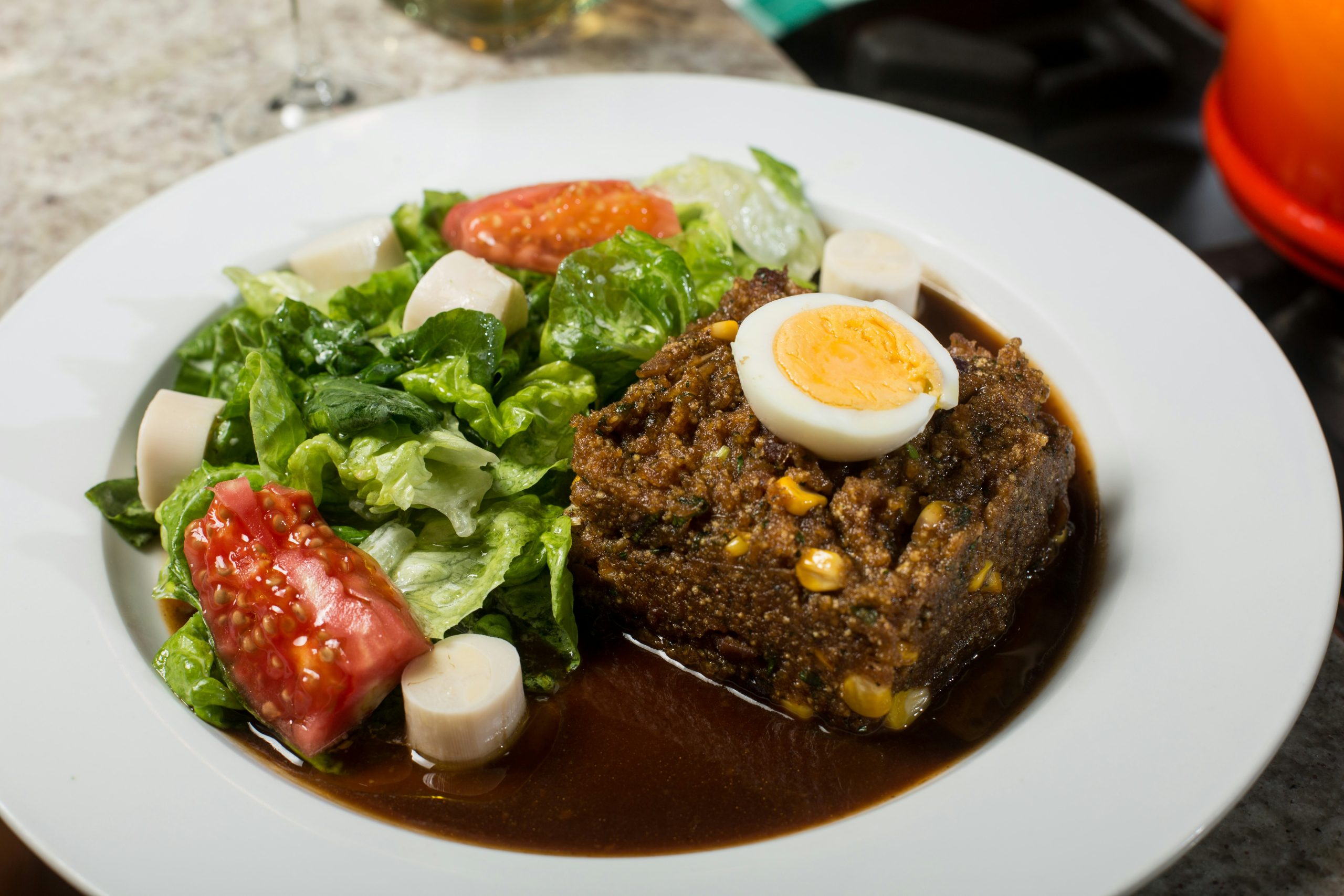
Brazilian cuisine is a vibrant tapestry woven from the diverse cultural influences that have shaped the nation over centuries. It reflects the country’s rich history, marked by the intermingling of indigenous peoples, African slaves, and European colonizers. This fusion has resulted in a culinary landscape that is as varied as Brazil’s geography, with each region offering its own unique flavors and dishes.
Traditional Brazilian cuisine is not just about food; it is a celebration of community, family, and the joy of sharing meals together. From the bustling streets of São Paulo to the serene beaches of Bahia, the essence of Brazil can be tasted in its traditional dishes. At the heart of Brazilian cuisine lies a deep appreciation for fresh ingredients and bold flavors.
Meals are often prepared with love and care, reflecting the cultural significance of food in Brazilian society. Whether it’s a festive gathering or a simple family dinner, food plays a central role in bringing people together. As we delve into the intricacies of traditional Brazilian cuisine, we will explore the influences that have shaped it, the staple ingredients that define it, and the popular dishes that have become synonymous with Brazilian culture.
Key Takeaways
- Traditional Brazilian cuisine is a rich and diverse culinary tradition that has been shaped by the influences of indigenous, African, and European cultures.
- Staple ingredients in Brazilian cooking include rice, beans, cassava, and various tropical fruits and vegetables.
- Popular dishes in Brazilian cuisine include feijoada, a hearty black bean stew with pork, churrasco, a style of barbecue, and moqueca, a fish stew cooked in coconut milk.
- Regional variations in Brazilian cuisine are influenced by the diverse geography and cultural heritage of different regions, resulting in unique flavors and cooking techniques.
- Street food plays a significant role in Brazilian culinary culture, offering a wide variety of snacks and quick meals that reflect the country’s vibrant food scene.
The Influence of Indigenous, African, and European Cultures on Brazilian Cuisine
The culinary landscape of Brazil is a result of centuries of cultural exchange and adaptation. Indigenous peoples were the first to inhabit Brazil, and their influence is evident in many traditional dishes. They introduced staple ingredients such as cassava, corn, and various fruits, which remain integral to Brazilian cooking today.
The use of these ingredients reflects a deep connection to the land and its resources, showcasing the indigenous people’s knowledge of local flora and fauna. The arrival of African slaves in Brazil during the colonial period brought about significant changes to the country’s culinary practices. African cooking techniques and flavors merged with indigenous and European influences, creating a unique blend that characterizes Brazilian cuisine.
Dishes like acarajé, made from black-eyed peas and filled with shrimp, highlight this fusion. The use of spices and seasonings from Africa has also enriched Brazilian cooking, adding depth and complexity to many traditional recipes. European colonization further transformed Brazilian cuisine, introducing new ingredients and cooking methods.
The Portuguese, in particular, played a crucial role in shaping the culinary identity of Brazil. They brought with them a variety of foods, including rice, beans, and various meats, which became staples in Brazilian households. The combination of these diverse cultural influences has resulted in a dynamic culinary tradition that continues to evolve while honoring its roots.
Staple Ingredients in Brazilian Cooking

Brazilian cuisine is characterized by its use of fresh, high-quality ingredients that reflect the country’s agricultural abundance. Rice and beans are perhaps the most iconic staples in Brazilian households, often served together as a hearty meal. This combination is not only nutritious but also symbolizes the importance of simplicity and comfort in Brazilian cooking.
The versatility of rice and beans allows for endless variations, making them a beloved foundation for many dishes. Another essential ingredient in Brazilian cooking is cassava, also known as manioc or yuca. This root vegetable is used in various forms, from flour to chips, and serves as a gluten-free alternative in many recipes.
Cassava is often used to make farofa, a toasted flour mixture that adds texture and flavor to dishes. Additionally, tropical fruits such as mangoes, papayas, and acai berries play a significant role in Brazilian cuisine, providing natural sweetness and vibrant colors to both savory and sweet dishes. Meat is also a central component of Brazilian cooking, particularly beef, which is celebrated for its quality and flavor.
The tradition of churrasco, or Brazilian barbecue, showcases the country’s love for grilled meats. Cuts like picanha and fraldinha are marinated and cooked over open flames, resulting in tender and juicy dishes that are often served with chimichurri sauce. The emphasis on fresh ingredients and bold flavors is what makes Brazilian cuisine so appealing to both locals and visitors alike.
Popular Dishes in Brazilian Cuisine
| Dish | Description |
|---|---|
| Feijoada | A stew of black beans with pork or beef, typically served with rice, collard greens, and orange slices. |
| Moqueca | A seafood stew made with fish, onions, garlic, tomatoes, and coriander, cooked slowly in a clay pot. |
| Pão de queijo | Cheese bread made with tapioca flour and cheese, a popular snack in Brazil. |
| Churrasco | Barbecue-style cooking of beef, pork, and chicken, often served with chimichurri sauce. |
Brazilian cuisine boasts an array of popular dishes that reflect its diverse cultural influences. One of the most iconic dishes is feijoada, a hearty black bean stew typically made with various cuts of pork and beef. This dish has its roots in Portuguese cuisine but has evolved into a beloved national dish that is often enjoyed during festive occasions.
Feijoada is traditionally served with rice, collard greens, orange slices, and farofa, creating a well-rounded meal that showcases the richness of Brazilian flavors. Another beloved dish is moqueca, a flavorful fish stew that hails from the coastal regions of Brazil. Made with fresh fish or seafood simmered in coconut milk, tomatoes, onions, and peppers, moqueca is a celebration of Brazil’s bountiful ocean resources.
Each region has its own variation of moqueca; for instance, the Bahian version incorporates dendê oil (palm oil) for added richness and depth. Churrasco is another quintessential Brazilian dish that deserves mention. This barbecue tradition involves skewering various cuts of meat and grilling them over an open flame.
The result is succulent meat with a smoky flavor that is often served with chimichurri sauce or vinaigrette. Churrasco gatherings are social events where friends and family come together to enjoy good food and company.
Regional Variations in Brazilian Cuisine
Brazil’s vast geography contributes to the regional variations found in its cuisine. Each region boasts its own unique ingredients and cooking styles that reflect local traditions and resources. In the North, for example, Amazonian ingredients such as fish from the Amazon River and exotic fruits like cupuaçu are commonly used in traditional dishes.
The use of herbs like cilantro and spices like cumin adds distinct flavors to Northern cuisine. Moving southward to the Northeast region, one can find dishes influenced by African heritage. Here, ingredients like dried shrimp and coconut milk are prevalent in many recipes.
Dishes such as vatapá (a creamy shrimp dish) and acarajé (fried black-eyed pea balls) showcase this rich culinary tradition. In contrast, Southern Brazil is known for its European influences, particularly from Italian and German immigrants. This region features hearty dishes like polenta and sausages alongside traditional barbecue styles.
The Southern states also produce high-quality wines that complement their rich culinary offerings.
The Role of Street Food in Brazilian Culinary Culture

Street food holds a special place in Brazilian culinary culture, offering an accessible way for locals and visitors alike to experience authentic flavors on the go. From bustling markets to street vendors lining busy streets, Brazilian street food reflects the country’s diverse culinary heritage. One popular street food item is coxinha—a deep-fried dough filled with shredded chicken that has become a beloved snack across Brazil.
Another favorite is pastel—a flaky pastry filled with various ingredients such as cheese or meat. These savory treats are often enjoyed at fairs or street markets alongside refreshing drinks like caldo de cana (sugarcane juice). Street food not only provides delicious options for those seeking quick bites but also serves as a social experience where people gather to enjoy food together.
The vibrant street food scene in Brazil showcases regional specialties as well. In Bahia, for instance, one can find acarajé being sold by street vendors—an iconic dish that highlights African influence on Brazilian cuisine. Street food culture fosters community connections while allowing individuals to explore diverse flavors without breaking the bank.
Traditional Brazilian Desserts and Beverages
No exploration of Brazilian cuisine would be complete without delving into its delightful desserts and beverages. Traditional Brazilian sweets often feature tropical fruits or ingredients like coconut and chocolate. One popular dessert is brigadeiro—a chocolate truffle made from condensed milk, cocoa powder, butter, and chocolate sprinkles.
Brigadeiros are commonly served at birthday parties or celebrations and have become synonymous with Brazilian festivities. Another beloved dessert is quindim—a bright yellow coconut custard that boasts a rich flavor profile thanks to its use of egg yolks and sugar. Quindim’s glossy appearance makes it visually appealing while delivering an indulgent taste experience.
When it comes to beverages, Brazil offers an array of refreshing options that complement its culinary offerings. One iconic drink is caipirinha—a cocktail made with cachaça (a sugarcane spirit), lime juice, and sugar. This refreshing beverage perfectly captures the essence of Brazil’s tropical climate while providing a delightful accompaniment to meals.
Exploring Brazilian Culinary Traditions: Feijoada, Churrasco, and Moqueca
To truly appreciate Brazilian cuisine is to explore its culinary traditions through signature dishes like feijoada, churrasco, and moqueca—each representing different aspects of Brazil’s rich cultural heritage. Feijoada stands out as a symbol of national pride; it embodies communal dining where families gather around large pots filled with this hearty stew. Traditionally served on Wednesdays or Saturdays—days designated for feijoada—this dish brings people together over shared stories while savoring its robust flavors.
Churrasco represents not only delicious grilled meats but also social gatherings centered around barbecues known as “churrascos.” These events foster camaraderie among friends and family as they enjoy succulent cuts cooked over open flames while sharing laughter and good company. Moqueca showcases Brazil’s coastal bounty through its vibrant flavors derived from fresh seafood simmered in coconut milk—a dish that reflects both regional diversity and cultural significance within coastal communities. In conclusion, traditional Brazilian cuisine offers an exciting journey through flavors shaped by history—an exploration filled with diverse influences from indigenous peoples to African traditions alongside European contributions—all culminating into a unique culinary identity celebrated across Brazil today!