Churrasco, the beloved Brazilian barbecue, has deep roots in the country’s culture and culinary traditions. Its origins can be traced back to the gauchos, the skilled horsemen and cattle herders of the southern regions of Brazil, particularly in Rio Grande do Sul. These gauchos would gather around open fires, cooking large cuts of meat over wood or charcoal, a practice that not only provided sustenance but also fostered community and camaraderie.
The simplicity of the cooking method, combined with the quality of the meat, made churrasco a staple in gaucho life, and it soon spread beyond the ranches to become a national phenomenon. As Brazil evolved, so did the art of churrasco. The introduction of various spices and marinades from different cultures enriched the traditional recipes.
Immigrants from Europe, particularly Italians and Germans, brought their culinary influences, which blended seamlessly with the gaucho traditions. Today, churrasco is not just a meal; it is an experience that embodies Brazilian hospitality and culture. It is celebrated at family gatherings, festivals, and restaurants across the country, making it a cherished part of Brazil’s gastronomic identity.
Key Takeaways
- Churrasco has a long history in Brazil, dating back to the 17th century when Portuguese settlers introduced the concept of grilling meat over open flames.
- Traditional cuts of meat for churrasco include picanha (rump cap), alcatra (top sirloin), and fraldinha (flank steak), which are typically seasoned with just salt before grilling.
- Essential ingredients for authentic churrasco marinades include garlic, onion, olive oil, and a variety of herbs and spices such as oregano, paprika, and cumin.
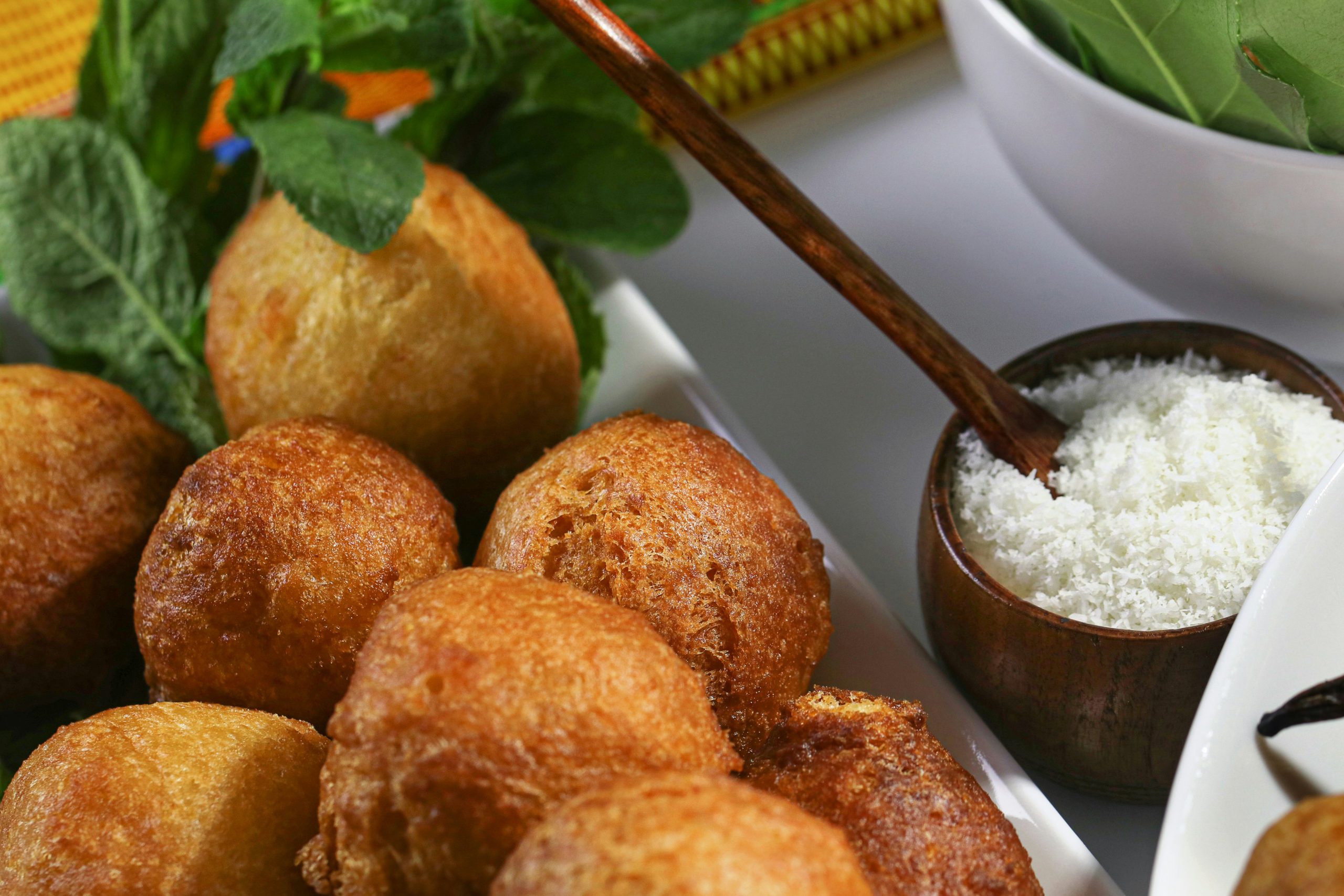
- Popular side dishes and accompaniments for churrasco include farofa (toasted cassava flour), vinaigrette (tomato and onion salsa), and pão de queijo (cheese bread).
- Tips for grilling the perfect churrasco include using high-quality charcoal, maintaining a consistent temperature, and allowing the meat to rest before serving.
Traditional Cuts of Meat for Churrasco
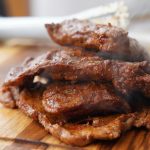
When it comes to churrasco, the choice of meat is paramount. Traditional cuts used in Brazilian barbecue include picanha, fraldinha, and costela. Picanha, often referred to as the crown jewel of Brazilian barbecue, is a flavorful cut from the top of the rump.
Its rich marbling ensures that it remains juicy and tender when grilled. This cut is typically seasoned simply with coarse salt to enhance its natural flavors, allowing the quality of the meat to shine through. Fraldinha, or flank steak, is another popular choice for churrasco enthusiasts.
Known for its robust flavor and tenderness, fraldinha is often marinated before grilling to infuse it with additional taste. Costela, or beef ribs, is also a favorite among churrasco lovers. Slow-cooked over low heat, these ribs become incredibly tender and are often served with a side of chimichurri sauce for an added kick.
Each cut brings its unique flavor profile to the table, making churrasco a diverse and exciting culinary experience.
Essential Ingredients for Authentic Churrasco Marinades

While traditional churrasco often relies on simple seasoning with salt, many cooks opt for marinades to elevate the flavors of their meats. An authentic Brazilian marinade typically includes ingredients such as garlic, olive oil, lime juice, and fresh herbs like parsley or cilantro. The acidity from lime juice not only adds brightness but also helps tenderize the meat, making it more succulent when grilled.
Another popular marinade ingredient is beer, which adds depth and complexity to the flavor profile. The combination of these ingredients creates a harmonious blend that enhances the natural taste of the meat without overpowering it. For those looking to experiment further, adding spices like paprika or cumin can introduce an exciting twist to traditional recipes.
Ultimately, the key to a great marinade lies in balancing flavors while allowing the quality of the meat to take center stage.
Side Dishes and Accompaniments for Churrasco
| Side Dishes and Accompaniments | Quantity | Calories per serving |
|---|---|---|
| Farofa | 1 cup | 200 |
| Vinaigrette | 1/2 cup | 50 |
| Garlic Bread | 2 slices | 150 |
| Grilled Vegetables | 1 cup | 100 |
No churrasco is complete without an array of delicious side dishes that complement the rich flavors of the grilled meats. One classic accompaniment is farofa, a toasted cassava flour mixture often enriched with ingredients like bacon, onions, and herbs. This crunchy side adds texture and a nutty flavor that pairs beautifully with juicy cuts of meat.
Another essential side dish is vinagrete, a fresh salsa made from diced tomatoes, onions, bell peppers, and vinegar. This zesty condiment provides a refreshing contrast to the richness of the grilled meats and adds a burst of color to the plate. Additionally, grilled vegetables such as peppers, zucchini, and corn on the cob are popular choices that not only enhance the meal’s visual appeal but also offer a healthy balance to the feast.
Tips for Grilling the Perfect Churrasco
Grilling the perfect churrasco requires attention to detail and a few essential techniques. First and foremost, selecting high-quality meat is crucial; look for cuts with good marbling and freshness. Once you have your meat ready, it’s important to let it come to room temperature before grilling.
This ensures even cooking throughout. When it comes to grilling, using a charcoal grill is often preferred for authentic flavor. Allow the coals to reach a steady heat before placing your meat on the grill.
It’s essential to avoid overcrowding the grill; giving each piece enough space allows for proper airflow and even cooking. Additionally, resist the urge to constantly flip the meat; instead, let it sear on one side before turning it over to achieve those beautiful grill marks and lock in juices.
Regional Variations of Churrasco in Brazil

Churrasco varies significantly across Brazil’s diverse regions, each bringing its unique flair to this beloved dish. In southern Brazil, particularly in Rio Grande do Sul, churrasco is often characterized by its simplicity—meats are seasoned primarily with coarse salt and cooked over open flames. This straightforward approach highlights the quality of the meat itself.
In contrast, in São Paulo and other central regions, you may find more elaborate preparations that include marinades and various spices. The use of skewers is also more prevalent in these areas, where meats are often cooked in large quantities for gatherings and celebrations. Additionally, in northeastern Brazil, you might encounter variations that incorporate local ingredients like coconut milk or tropical fruits into marinades or side dishes, showcasing the region’s rich culinary heritage.
Churrasco Desserts and Drinks
After indulging in a hearty churrasco feast, it’s customary to enjoy a sweet treat or refreshing drink to round out the meal. Traditional Brazilian desserts such as brigadeiro—a chocolate truffle made from condensed milk—are popular choices that provide a delightful contrast to savory flavors. Another favorite is quindim, a coconut custard dessert that offers a rich and creamy finish.
When it comes to beverages, caipirinha reigns supreme as Brazil’s national cocktail. Made with cachaça (a sugarcane spirit), lime, and sugar, this refreshing drink perfectly complements the smoky flavors of grilled meats. For those who prefer non-alcoholic options, fresh fruit juices like guava or passion fruit are excellent choices that add a tropical touch to any meal.
How to Host a Churrasco Party at Home
Hosting a churrasco party at home can be an enjoyable experience for both you and your guests. Start by planning your menu carefully; select a variety of meats that cater to different tastes while ensuring you have enough for everyone. Consider including traditional cuts like picanha and fraldinha alongside some chicken or sausage options for variety.
Preparation is key when hosting a successful churrasco party. Marinate your meats ahead of time to allow flavors to develop fully. Set up your grill in advance and ensure you have all necessary tools on hand—skewers, tongs, and a meat thermometer can make grilling easier and more efficient.
Don’t forget about side dishes; prepare farofa and vinagrete ahead of time so you can focus on grilling when guests arrive. As your guests gather around the grill, encourage them to participate in the cooking process; this communal aspect is at the heart of churrasco culture. Share stories about each cut of meat or discuss your favorite grilling techniques as you enjoy each other’s company over delicious food.
With careful planning and attention to detail, your churrasco party will be an unforgettable celebration of Brazilian culture and cuisine that leaves everyone satisfied and eager for more.