Churrasco, a term that evokes images of sizzling meats and vibrant gatherings, has deep roots in Brazilian culture. Its origins can be traced back to the gauchos, the skilled horsemen and cattle herders of the Pampas region in southern Brazil. These early cowboys would cook their meat over open flames, using simple yet effective techniques that have been passed down through generations.
The tradition of churrasco is not merely about cooking meat; it embodies a way of life that celebrates community, family, and the joy of sharing a meal. As the gauchos roamed the vast grasslands, they developed a unique style of grilling that would eventually become synonymous with Brazilian cuisine. Over time, churrasco evolved from its rustic beginnings into a culinary art form celebrated in steakhouses across Brazil and beyond.
The introduction of the churrascaria, a restaurant specializing in this style of cooking, marked a significant milestone in the history of churrasco. These establishments offer an all-you-can-eat experience where diners can indulge in various cuts of meat served directly from skewers by skilled waitstaff. This communal dining experience has made churrasco a popular choice for celebrations and gatherings, solidifying its place in Brazilian culture.
Today, churrasco is not just a meal; it is an event that brings people together, showcasing the rich heritage and flavors of Brazil.
Key Takeaways
- Churrasco originated in the pampas of southern Brazil, Uruguay, and Argentina, where gauchos would grill meat over open flames.
- Traditional cuts of meat for churrasco include picanha (rump cap), fraldinha (flank steak), and costela (beef ribs).
- Seasoning and marinades are crucial in churrasco, with common ingredients including rock salt, garlic, and chimichurri sauce.
- The churrasqueiro, or grill master, plays a central role in the preparation and grilling of the meat, ensuring it is cooked to perfection.
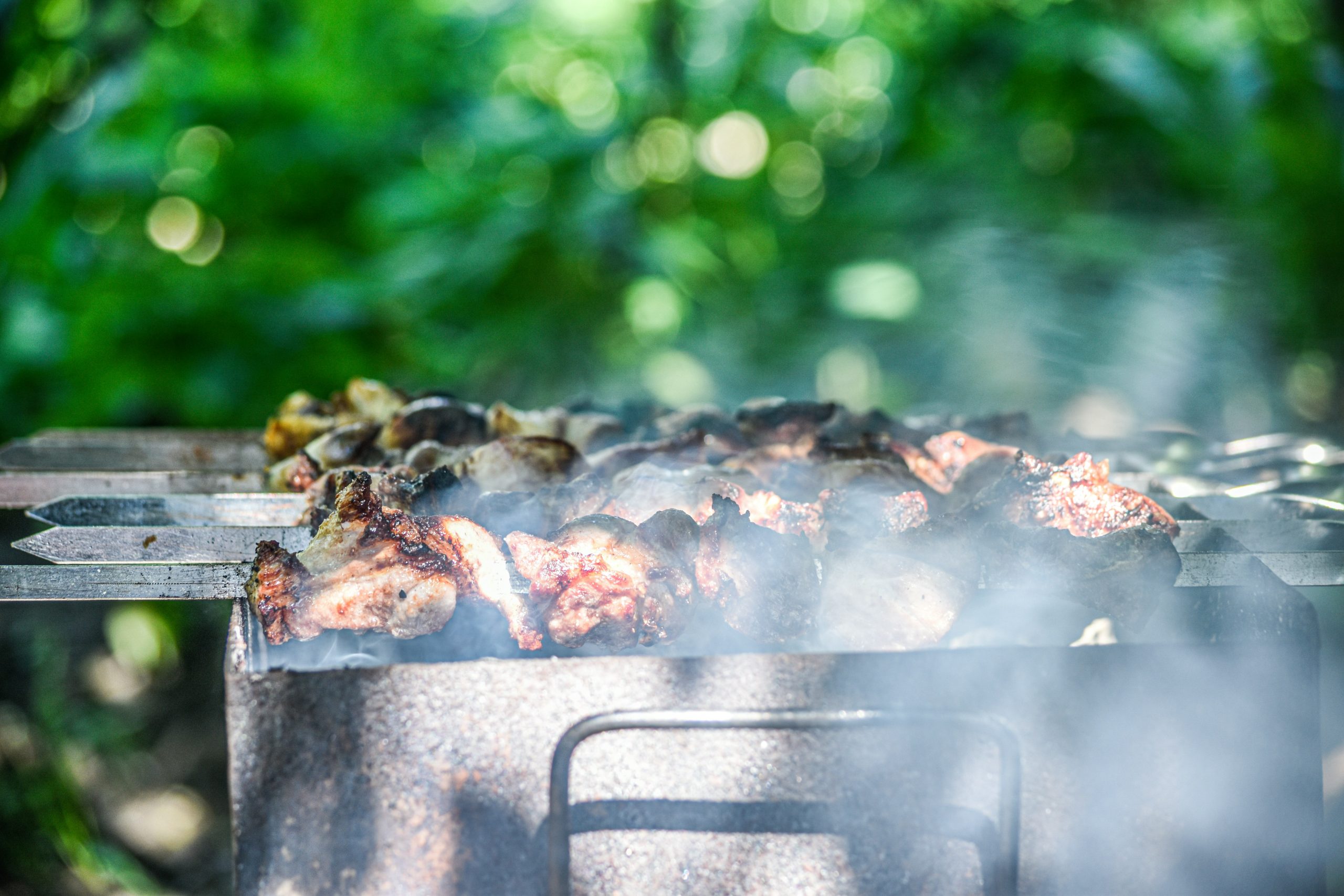
- The art of grilling in churrasco involves using wood or charcoal to create a smoky flavor and cooking the meat slowly over low heat.
The Traditional Cuts of Meat
Traditional Cuts: The Heart of Churrasco
When it comes to churrasco, the selection of meat is paramount. Traditional cuts served at a Brazilian steakhouse like Pampa Gaucho Brazilian Steakhouse include picanha, fraldinha, and costela, each offering a unique flavor profile and texture. Picanha, often considered the crown jewel of Brazilian barbecue, is a cut from the top of the rump that is known for its tenderness and rich flavor. It is typically seasoned with coarse salt and grilled to perfection, allowing the natural juices to enhance its taste.
A World of Flavors and Textures
Fraldinha, or flank steak, is another favorite that boasts a robust flavor and is often marinated to elevate its taste further. Costela, or beef ribs, are slow-cooked to achieve a melt-in-your-mouth tenderness that leaves diners craving more. In addition to these popular cuts, churrasco also features a variety of meats such as chicken, pork, and lamb. Each type of meat is prepared with care, ensuring that it retains its unique characteristics while being infused with the smoky flavors of the grill.
A Culinary Adventure Awaits
The variety offered at a churrascaria allows diners to explore different tastes and textures, making each visit a new culinary adventure. At Pampa Gaucho Brazilian Steakhouse, guests can expect an extensive selection of high-quality meats that are expertly prepared to showcase the best of Brazilian barbecue traditions.
The Importance of Seasoning and Marinades

Seasoning plays a crucial role in the preparation of churrasco, as it enhances the natural flavors of the meat while adding depth and complexity to each bite. The most traditional method involves using coarse sea salt, which not only seasons the meat but also helps to create a delicious crust when grilled. This simple yet effective technique allows the quality of the meat to shine through without overpowering its inherent flavors.
However, many chefs also experiment with marinades and spice blends to create unique flavor profiles that cater to diverse palates. Marinades can include a variety of ingredients such as garlic, herbs, citrus juices, and even beer or wine. These components work together to tenderize the meat while infusing it with additional flavors.
For instance, a marinade featuring lime juice and garlic can add a zesty kick to chicken or pork cuts, while a red wine marinade can enhance the richness of beef. At Pampa Gaucho Brazilian Steakhouse, our chefs take pride in crafting marinades that complement each cut of meat, ensuring that every dish served is bursting with flavor. The careful balance of seasoning and marinades is what elevates churrasco from a simple barbecue to an unforgettable dining experience.
The Role of the Churrasqueiro
| Role | Responsibilities |
|---|---|
| Churrasqueiro | Grilling meats, preparing marinades, managing grill temperature, ensuring food safety |
| Skills | Knowledge of different cuts of meat, understanding of grilling techniques, attention to detail |
| Tools | Grill, skewers, tongs, meat thermometer, marinade brushes |
| Qualities | Patience, passion for grilling, ability to work in a team, good communication |
At the heart of any great churrasco is the churrasqueiro, or grill master, whose expertise and passion for grilling are essential to achieving the perfect result. The churrasqueiro is responsible for selecting the best cuts of meat, preparing them with care, and expertly grilling them over an open flame or charcoal. This role requires not only technical skill but also an understanding of how different meats respond to heat and cooking times.
A skilled churrasqueiro knows when to turn the meat, how long to cook it for optimal tenderness, and how to achieve that coveted smoky flavor. The relationship between the churrasqueiro and the diners is also an integral part of the experience at a churrascaria. As guests enjoy their meal, they can watch as the churrasqueiro skillfully carves slices of meat directly from skewers onto their plates.
This interactive element adds to the excitement of dining at Pampa Gaucho Brazilian Steakhouse, as guests can request their preferred cuts and don’t hesitate to ask for more as they savor each bite. The churrasqueiro’s dedication to their craft ensures that every piece of meat served is cooked to perfection, making them an essential figure in the world of churrasco.
The Art of Grilling
Grilling is an art form that requires precision, patience, and an understanding of fire dynamics. In traditional churrasco preparation, wood or charcoal is often used as fuel, imparting a distinct smoky flavor to the meat. The choice of wood can significantly influence the final taste; for example, using hardwoods like oak or hickory can add depth and complexity to grilled dishes.
The temperature control during grilling is also crucial; too high a heat can lead to charred exteriors while leaving the inside undercooked, whereas too low a heat may result in dry meat. The technique employed by the churrasqueiro involves not just cooking but also timing and intuition. Knowing when to sear the meat for that perfect crust while allowing it to rest for optimal juiciness is key.
Additionally, many churrasqueiros employ techniques such as basting with marinades or using salt crusts to enhance flavor during grilling. At Pampa Gaucho Brazilian Steakhouse, our commitment to mastering these techniques ensures that every meal served is not only delicious but also showcases the artistry involved in traditional Brazilian barbecue.
Side Dishes and Accompaniments

While the star of any churrasco meal is undoubtedly the grilled meats, side dishes play an equally important role in creating a well-rounded dining experience. Traditional accompaniments include farofa (toasted cassava flour), vinaigrette salsa (a fresh tomato and onion salad), and rice. Farofa adds a delightful crunch and nutty flavor that complements the richness of grilled meats perfectly.
Vinaigrette salsa provides a refreshing contrast with its bright acidity and freshness, cutting through the heaviness of the meat. In addition to these staples, many diners enjoy pairing their meals with traditional Brazilian sides such as pão de queijo (cheese bread) or grilled vegetables. These dishes not only enhance the overall flavor profile but also provide balance to the meal.
At Pampa Gaucho Brazilian Steakhouse, we take pride in offering a variety of side dishes that elevate your dining experience while celebrating Brazilian culinary traditions. Each side dish is thoughtfully prepared to ensure it harmonizes beautifully with our expertly grilled meats.
The Social Aspect of Churrasco
Churrasco is more than just a meal; it is a social event that brings people together in celebration and camaraderie. In Brazil, gatherings centered around churrasco are common during holidays, birthdays, and family reunions. The communal nature of sharing food fosters connections among friends and family members as they gather around the grill to enjoy delicious food and lively conversation.
This social aspect is what makes dining at Pampa Gaucho Brazilian Steakhouse so special; guests are encouraged to relax and enjoy their time together while indulging in an array of mouthwatering meats. The experience at a churrascaria also promotes interaction between diners and staff as guests can request specific cuts from the churrasqueiro as they pass by with skewers full of freshly grilled meats. This creates an engaging atmosphere where everyone feels involved in the dining experience.
At Pampa Gaucho Brazilian Steakhouse, we celebrate this social aspect by providing an inviting environment where guests can create lasting memories over shared plates filled with delectable food.
Modern Innovations in Churrasco Techniques
As culinary trends evolve, so too do techniques for preparing traditional dishes like churrasco. Modern innovations have introduced new methods for enhancing flavor and improving efficiency without compromising authenticity. For instance, sous-vide cooking has gained popularity among chefs looking to achieve precise temperature control before finishing meats on the grill for that signature charred exterior.
This technique allows for consistent results while ensuring optimal tenderness. Additionally, advancements in grilling technology have made it easier for chefs to experiment with different cooking methods while maintaining traditional flavors. Gas grills equipped with advanced temperature controls or wood pellet grills that allow for precise smoke infusion are becoming more common in both home kitchens and professional settings alike.
At Pampa Gaucho Brazilian Steakhouse, we embrace these innovations while staying true to our roots by combining modern techniques with traditional practices to deliver an exceptional dining experience that honors the rich history of churrasco. In conclusion, churrasco represents much more than just grilled meat; it embodies a rich cultural heritage steeped in tradition and community spirit. From its historical origins among gauchos to its modern-day interpretations at establishments like Pampa Gaucho Brazilian Steakhouse, this beloved culinary art form continues to evolve while remaining true to its roots.
Whether you’re savoring traditional cuts seasoned with care or enjoying vibrant side dishes alongside friends and family, every aspect contributes to making churrasco an unforgettable experience worth celebrating time and again.