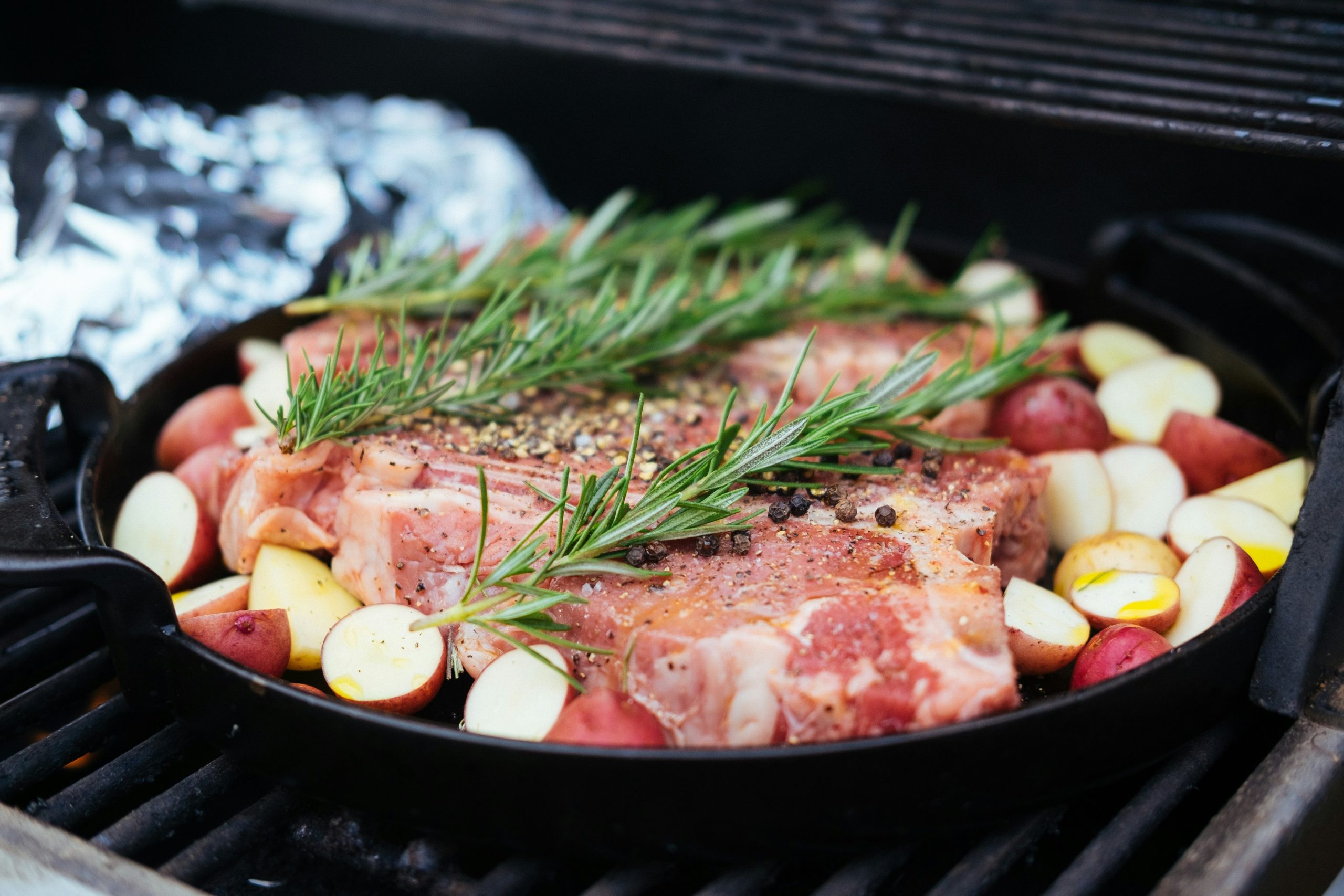
Churrascaria is a unique dining concept that originates from Brazil, characterized by its all-you-can-eat style of serving grilled meats. The term “churrasco” refers to the traditional Brazilian barbecue, where various cuts of meat are cooked on skewers over an open flame or grill. In a churrascaria, diners are treated to a feast of succulent meats, often accompanied by a variety of side dishes and salads.
The experience is not just about the food; it’s a celebration of Brazilian culture and hospitality, where the emphasis is on communal dining and enjoyment. At a churrascaria, the meats are typically served by skilled waitstaff known as “passadores,” who roam the dining area with skewers of freshly grilled meats, slicing portions directly onto your plate. This interactive dining experience allows guests to sample a wide range of flavors and textures, making it a popular choice for gatherings and special occasions.
The atmosphere is lively and vibrant, often enhanced by traditional Brazilian music, creating an inviting environment for both locals and visitors alike.
Key Takeaways
- Churrascaria is a traditional Brazilian steakhouse known for its all-you-can-eat meat offerings and unique dining experience.
- Brazilian churrascaria has a rich history dating back to the 18th century, influenced by the gaucho culture and Portuguese cooking techniques.
- The churrascaria experience involves servers bringing skewers of various meats to your table and carving them directly onto your plate.
- Different cuts of meat commonly served at churrascarias include picanha, alcatra, fraldinha, and costela.
- Traditional Brazilian sides and accompaniments at churrascarias include feijoada, farofa, pão de queijo, and grilled pineapple.
The History of Brazilian Churrascaria
The roots of churrascaria can be traced back to the gauchos, the cowboys of the Brazilian pampas, who developed their own style of cooking meat over open flames. This method of grilling meat became a cultural staple in southern Brazil, where cattle ranching was prevalent. The gauchos would gather around campfires, cooking large cuts of meat on skewers, which they would share with friends and family.
This communal aspect of dining laid the foundation for what would eventually evolve into the modern churrascaria. As Brazilian immigrants spread across the globe, they brought their culinary traditions with them, leading to the establishment of churrascarias in various countries. The first official churrascaria outside Brazil opened in the United States in the 1990s, introducing American diners to this unique style of dining.
Over the years, churrascarias have gained popularity for their diverse offerings and immersive dining experiences, becoming a beloved choice for those seeking authentic Brazilian cuisine.
The Churrascaria Experience

Dining at a churrascaria is an experience that goes beyond just eating; it’s about indulging in a feast that engages all the senses. Upon entering a churrascaria, guests are often greeted with the enticing aroma of grilled meats wafting through the air. The ambiance is typically warm and inviting, with rustic decor that reflects Brazilian culture.
As diners settle in, they are presented with a salad bar featuring an array of fresh vegetables, cheeses, and traditional Brazilian sides. The highlight of the churrascaria experience is undoubtedly the meat service. Waitstaff circulate throughout the restaurant with skewers of various cuts of meat, including beef, pork, lamb, and chicken.
Diners can signal when they are ready for more by flipping a card from green to red, allowing them to control the pace of their meal. This interactive element adds excitement to the dining experience as guests sample different flavors and cuts while enjoying lively conversation with friends and family.
The Different Cuts of Meat
| Cut of Meat | Description |
|---|---|
| Ribeye | A flavorful and tender cut from the rib section of the cow. |
| Sirloin | A lean and juicy cut from the lower back of the cow. |
| Tenderloin | One of the most tender cuts, located near the spine of the cow. |
| Chuck | A versatile and flavorful cut from the shoulder of the cow. |
| Brisket | A tough but flavorful cut from the breast section of the cow. |
One of the defining features of a churrascaria is the wide variety of meat cuts available to diners. Each cut offers its own unique flavor and texture, showcasing the skill of the chefs who prepare them. Some popular cuts include picanha (top sirloin), fraldinha (flank steak), and costela (beef ribs).
Picanha is particularly revered for its tenderness and rich flavor, often seasoned simply with coarse salt to enhance its natural taste. In addition to beef, churrascarias also serve an array of pork and chicken options. Pork ribs and sausages are common offerings, while chicken hearts and marinated chicken thighs provide additional variety for adventurous eaters.
Each cut is expertly grilled to perfection, ensuring that diners enjoy a deliciously juicy and flavorful experience with every bite. The diversity of meat options allows guests to explore different tastes and textures throughout their meal.
Traditional Brazilian Sides and Accompaniments
While the grilled meats take center stage at a churrascaria, traditional Brazilian sides play an essential role in complementing the meal. One popular side dish is farofa, a toasted cassava flour mixture that adds a delightful crunch and nutty flavor to each bite. Another staple is vinaigrette salsa, a fresh tomato and onion salad that provides a refreshing contrast to the richness of the meats.
Additionally, diners can enjoy rice and black beans, which are foundational components of Brazilian cuisine. These sides not only enhance the overall dining experience but also reflect the cultural significance of communal meals in Brazil. The combination of flavorful sides with expertly grilled meats creates a well-rounded feast that satisfies both hunger and cravings for authentic Brazilian flavors.
How to Eat at a Churrascaria

Eating at a churrascaria can be an exciting yet overwhelming experience for first-timers due to the sheer variety of options available. To make the most of your visit, it’s essential to pace yourself throughout the meal. Start by visiting the salad bar to fill your plate with fresh vegetables and sides; this will help balance out the richness of the meats you’ll be enjoying later.
Once you’re ready for meat, signal the passadores to bring you their offerings. Don’t hesitate to try different cuts; this is part of the fun! Remember to savor each bite and take your time between servings to fully appreciate the flavors.
If you find a particular cut you love, feel free to ask for more! The key is to enjoy the experience without rushing through it—after all, dining at a churrascaria is about indulging in good food and great company.
The Best Churrascaria Restaurants in Brazil
Brazil is home to countless churrascarias, each offering its own unique take on this beloved culinary tradition. Some of the most renowned establishments can be found in major cities like São Paulo and Rio de Janeiro. For instance, Fogo de Chão is famous for its high-quality meats and exceptional service, making it a must-visit for anyone seeking an authentic churrascaria experience.
In addition to Fogo de Chão, other notable churrascarias include Churrascaria Palace in Rio de Janeiro and Churrascaria Porcão in São Paulo. These restaurants have garnered acclaim for their extensive menus and commitment to preserving traditional grilling techniques. Each visit promises an unforgettable experience filled with delicious food and warm hospitality that reflects Brazil’s rich culinary heritage.
How to Host a Churrascaria at Home
Hosting a churrascaria at home can be an exciting way to bring friends and family together for a memorable dining experience. To start, you’ll need to gather high-quality cuts of meat—beef, pork, chicken, and lamb are all excellent choices. Marinate your meats ahead of time with simple seasonings like salt and garlic to enhance their natural flavors.
Setting up your grill or barbecue is crucial for achieving that authentic churrasco taste. If you don’t have access to an outdoor grill, consider using a stovetop grill pan or even an oven broiler as alternatives. Prepare traditional sides like farofa, rice, and vinaigrette salsa to accompany your meats.
Finally, create a festive atmosphere with music and decorations that reflect Brazilian culture—this will elevate your home churrascaria experience and make it truly special.
Vegetarian and Vegan Options at Churrascaria
While churrascarias are primarily known for their grilled meats, many establishments are increasingly offering vegetarian and vegan options to cater to diverse dietary preferences. Diners can often find delicious plant-based dishes such as grilled vegetables, salads, and hearty bean dishes that showcase Brazilian flavors without meat. For those who prefer vegan options, many churrascarias provide creative alternatives like marinated tofu or seitan skewers that mimic the texture of grilled meats.
Additionally, traditional sides like farofa and rice with black beans are naturally vegetarian-friendly and can be enjoyed by all guests at the table. This inclusivity ensures that everyone can partake in the vibrant dining experience that churrascarias offer.
Churrascaria Etiquette and Tips
When dining at a churrascaria, understanding proper etiquette can enhance your experience significantly. First and foremost, be sure to communicate your preferences clearly to your server or passador; if you prefer well-done meat or have specific dietary restrictions, don’t hesitate to let them know. Another important tip is to pace yourself throughout the meal—start with lighter sides before diving into heavier meats.
It’s also customary to share dishes among your tablemates; this fosters a sense of community and allows everyone to sample different flavors together. Lastly, remember that dining at a churrascaria is meant to be leisurely; take your time enjoying each course while engaging in conversation with friends or family.
The Future of Churrascaria
As culinary trends continue to evolve globally, so too does the concept of churrascaria. Many establishments are embracing sustainability by sourcing local ingredients and implementing eco-friendly practices in their operations. This shift not only benefits the environment but also enhances the quality of food served at these restaurants.
Moreover, as more people become interested in diverse cuisines from around the world, churrascarias are likely to gain even greater popularity outside Brazil. With their unique dining experiences centered around communal feasting and high-quality grilled meats, they offer something truly special for food lovers everywhere. As we look ahead, it’s clear that churrascarias will continue to thrive as beloved destinations for those seeking authentic Brazilian flavors and unforgettable culinary experiences.
FAQs
What is a Brazilian churrascaria?
A Brazilian churrascaria is a type of restaurant that specializes in serving various cuts of grilled meats, typically prepared in the churrasco style, which involves skewering the meat and cooking it over an open flame.
What is the churrasco style of cooking?
The churrasco style of cooking involves grilling meat on skewers over an open flame, typically using charcoal or wood as the heat source. This method of cooking results in tender, flavorful meats with a smoky charred exterior.
What types of meats are typically served at a Brazilian churrascaria?
Brazilian churrascarias typically serve a wide variety of meats, including beef, pork, lamb, and chicken. Popular cuts of meat include picanha (top sirloin), costela (beef ribs), fraldinha (flank steak), and linguica (sausage).
How is the meat served at a Brazilian churrascaria?
At a Brazilian churrascaria, the meat is typically served tableside by passadores (meat servers) who carry large skewers of grilled meats and carve them directly onto the diners’ plates. This style of service allows diners to sample a variety of meats throughout their meal.
What are some typical accompaniments served at a Brazilian churrascaria?
In addition to the grilled meats, Brazilian churrascarias often offer a variety of side dishes and accompaniments, such as rice, beans, farofa (toasted cassava flour), salads, and traditional Brazilian cheese bread known as pão de queijo.
Is there a traditional way to eat at a Brazilian churrascaria?
A traditional way to eat at a Brazilian churrascaria is to start with the salad bar and side dishes, and then enjoy the grilled meats as they are brought to the table by the passadores. Diners can use the provided tongs to grab the meat as it is carved directly onto their plates.