
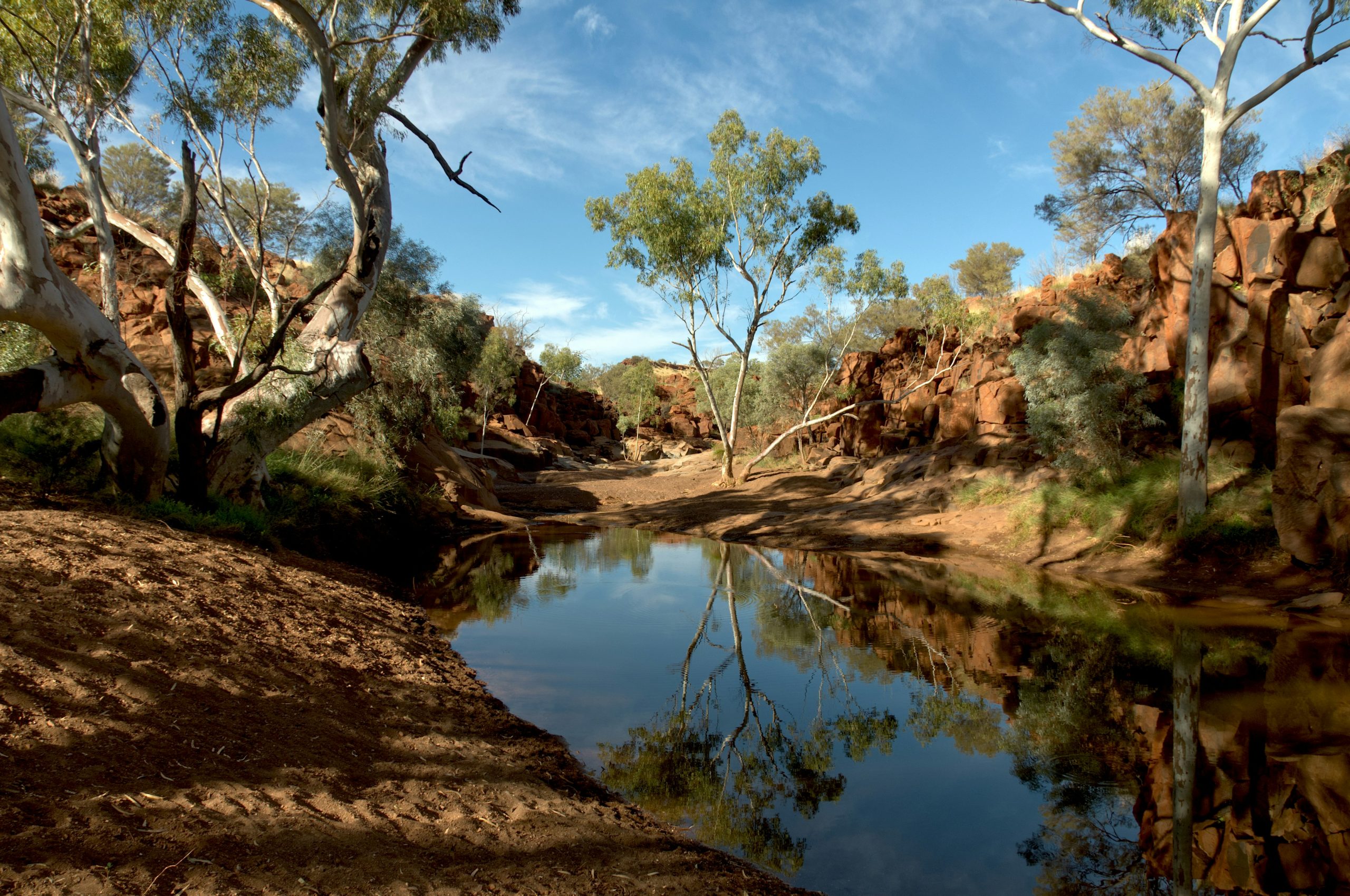
The concept of “Near Me” when referring to the Outback is highly relative, a reflection of Australia’s vastness. While its iconic landscapes are often associated with distant horizons, segments of this unique biome extend closer to populated areas than typically imagined. This guide aims to demystify accessible Outback experiences, offering practical advice for those seeking remote adventures without venturing into the continent’s deepest interior.
The term “Outback” lacks a precise, universally agreed-upon geographical boundary. Generally, it refers to the arid and semi-arid regions of Australia, characterized by low population density, distinctive flora and fauna, and a significant indigenous cultural heritage. It encompasses a diverse range of landscapes, from red desert plains and ancient mountain ranges to remote coastlines and tropical savanna. Understanding this fluidity is key to identifying “Outback near me” opportunities, as it suggests the potential for fragmented, albeit authentic, experiences closer to urban centers.
Geographical Characteristics
The Outback’s defining geographical features include extensive plains, eroded plateaus, and ancient geological formations. Soil types vary from fertile red earths to sand dunes and rocky outcrops. Water sources are often ephemeral, dictated by seasonal rainfall, leading to a reliance on bore water and permanent, albeit sparse, waterholes. This aridity is a primary driver of its unique biodiversity and sparse human settlement.
Climatic Zones and Implications
The Outback experiences a range of climatic zones, from tropical in the north to temperate in the south. The dominant characteristic, however, is low rainfall and high temperatures. Understanding the specific climatic variations of a chosen region is crucial for trip planning, impacting optimal travel times, water requirements, and potential hazards like extreme heat or flash flooding during wet seasons.
Unique Biodiversity and Ecosystems
Despite its harsh environment, the Outback hosts a remarkable array of endemic species adapted to its conditions. Eucalypt woodlands, acacia scrublands, spinifex grasses, and saltbush communities dominate the vegetation. Wildlife includes kangaroos, emus, dingoes, a diverse range of birdlife, and numerous reptile species. These ecosystems are fragile and susceptible to human impact, necessitating responsible tourism practices.
If you’re looking for exciting events and activities in the Outback near you, check out this informative article that highlights various local happenings and attractions. It provides insights into the best places to explore, dine, and enjoy the unique culture of the region. For more details, visit this link to discover what’s happening in your area.
Planning Your Accessible Outback Expedition
Undertaking an Outback journey, even closer to settled areas, requires meticulous planning. The principle of self-reliance, a cornerstone of Outback travel, should guide preparations. Neglecting preparation can turn a significant challenge into a genuine hazard.
Vehicle Selection and Preparation
A reliable vehicle is paramount. For many accessible Outback tracks, a high-clearance two-wheel drive might suffice, but a four-wheel drive (4WD) is generally recommended for increased capability and safety, particularly on unsealed roads. Essential vehicle preparations include:
- Mechanical Check: A thorough pre-trip service by a qualified mechanic.
- Tyre Condition: Ensure tyres are in good condition, including the spare. Consider carrying two spares for extended trips.
- Fuel Capacity: Calculate fuel consumption carefully and carry extra fuel if distances between refueling points are significant.
- Recovery Gear: Shovel, snatch strap, and a reliable jack are basic necessities for self-rescue.
- Communication: A satellite phone or UHF radio is crucial in areas with no mobile reception.
Essential Supplies and Equipment
Provisions for an Outback trip extend beyond typical holiday packing. Think of yourself as a self-contained unit, capable of sustained independence for several days.
- Water: Carry a minimum of 7-10 liters per person per day for drinking, cooking, and basic hygiene. This is a non-negotiable item.
- Food: Non-perishable, energy-dense foods suitable for the duration of the trip. Plan meals to minimize waste and cooking time.
- First-Aid Kit: A comprehensive kit, including snake bite bandages, pain relief, and personal medications. Ensure someone in the group knows basic first aid.
- Navigation: Paper maps (Hema or similar regional maps are excellent), a compass, and a GPS device (with downloaded offline maps). Do not rely solely on mobile phone navigation.
- Shelter and Bedding: Tents, swags, or robust sleeping bags appropriate for varying temperatures.
- Communication Devices: Beyond a satellite phone, a Personal Locator Beacon (PLB) is a critical safety device for emergencies.
- Sun Protection: Wide-brimmed hats, sunglasses, high SPF sunscreen, and long-sleeved clothing.
- Insect Repellent: Essential, especially during warmer months or near water sources.
Communication and Safety Protocols
Isolation is a defining characteristic of the Outback. Effective communication and safety protocols are non-negotiable.
- Inform Others: Always inform a trusted contact of your itinerary, expected return date, and emergency contact details.
- Checkpoints: Establish regular check-in times with your contact.
- Emergency Contact Information: Carry written emergency contacts and relevant service numbers.
- Road Conditions: Check local road conditions and weather forecasts before and during your trip. Unsealed roads can become impassable after rain.
Identifying Your “Local” Outback Gateway

The definition of “near me” is flexible. For inhabitants of major Australian cities, a foray into the Outback might involve a day’s drive. These gateway regions offer a taste of the remote without demanding extreme expeditions.
From Sydney: The Blue Mountains and Beyond
While the Blue Mountains are not technically the Outback, they represent a transition zone from coastal urbanity to more rugged, less populated terrain. Heading west from the Blue Mountains, landscapes progressively become more arid, offering a glimpse into the vast interior. Regions like the Central West and further into the far west of New South Wales (e.g., around Broken Hill) offer true Outback experiences.
- The Blue Mountains Western Slopes: These areas provide a gradient of increasing remoteness and drier landscapes.
- Central West NSW: Towns like Dubbo or Orange can serve as launching points, with areas further afield like the Warrumbungle National Park hinting at Outback conditions.
- Broken Hill and Silverton: These iconic locations offer definitive Outback experiences, showcasing red earth, mining history, and unique art scenes. They are a significant drive from Sydney but represent an accessible “deep” Outback experience for Eastern Coast dwellers.
From Melbourne: The Mallee and Beyond
North-western Victoria and parts of South Australia, historically known as “the Mallee,” present the closest Outback-like environments to Melbourne. Characterized by scrubland and salt lakes, these areas offer a stark contrast to Victoria’s greener south.
- The Mallee Region: Areas like Hattah-Kulkyne National Park and Murray-Sunset National Park offer accessible Outback landscapes within a day’s drive of Melbourne. Expect sparse vegetation, salt-encrusted lakes, and unique birdlife.
- Riverland SA: Crossing into South Australia, the Riverland region, while on the Murray River, quickly gives way to drier environments, providing a northern gateway to broader Outback territories.
- Flinders Ranges (SA): A more substantial drive, the Flinders Ranges provide a spectacular and widely recognized Outback experience with ancient peaks, gorges, and iconic red dust roads.
From Brisbane: Inland Queensland
Queensland’s immediate hinterland offers a rapid transition from tropical coast to more arid, expansive landscapes. While the “true” Outback is further west, regions like the Darling Downs and beyond deliver accessible insights.
- Darling Downs Region: While agriculturally rich, the western fringes of the Darling Downs give way to drier, flatter landscapes suggestive of the Outback.
- Carnarvon Gorge National Park: A significant geological and ecological marvel, Carnarvon Gorge offers deep gorges, ancient Aboriginal rock art, and lush vegetation contrasting with drier surrounds – a unique Outback edge experience.
- Winton and Longreach: Further west, these towns are quintessential Outback Queensland, offering dinosaur trails, stockman’s halls of fame, and a true sense of the vast interior, albeit a longer journey from Brisbane.
From Adelaide: The Flinders Ranges and Eyre Peninsula
Adelaide is arguably the best-positioned capital city for rapid access to distinct Outback environments. The Flinders Ranges and parts of the Eyre Peninsula offer immediate immersion.
- Flinders Ranges National Park: As mentioned, this park provides stunning ancient landscapes, diverse wildlife, and a range of hiking and touring options. Its accessibility from Adelaide makes it a prime candidate for “local” Outback exploration.
- Eyre Peninsula Northern Regions: While coastal, the northern and central parts of the Eyre Peninsula transition into vast, dry plains, offering a sense of remoteness and authentic Outback stations.
- Oodnadatta Track (Partially): For the more adventurous, a portion of the iconic Oodnadatta Track can be accessed within a reasonable distance from Adelaide, offering a taste of legendary Outback routes.
From Perth: The Wheatbelt and Inner Southwest
Perth’s proximity to the Western Australian “Wheatbelt” and the inner southwest allows for relatively quick access to regions that, while not traditional red-dirt Outback, embody significant remoteness, arid characteristics, and a distinctly Australian bush identity.
- The Wheatbelt: This vast agricultural region, while cleared in many parts, retains pockets of original bushland and offers a sense of open space and isolation beyond the densely populated coastal strip.
- Golden Outback (Eastern Goldfields): This region, extending east from Perth, quickly transitions into classic arid and semi-arid landscapes. Kalgoorlie-Boulder, a major mining city, is a definitive Outback hub, surrounded by red earth, salt lakes, and vast distances. This area offers a genuine Outback experience within a manageable drive.
- Pilbara Region (Further North): While a substantial journey from Perth, the Pilbara offers some of Australia’s most spectacular Outback landscapes, characterized by ancient gorges, red rock, and vast mineral wealth. A flight to Newman or Port Hedland could act as a gateway for those seeking a more intense, yet “local” to Western Australia, Outback experience.
Activities and Experiences in the Accessible Outback

The accessible Outback offers a spectrum of activities, From cultural immersion to geological exploration. These experiences are grounded in the unique characteristics of the environment.
Bushwalking and Hiking
Many national parks and reserves in the accessible Outback feature marked walking trails. These range from short interpretive loops to challenging multi-day treks.
- Safety Considerations: Always carry ample water, wear appropriate footwear, inform others of your route, and be aware of wildlife and weather conditions. Avoid walking during the hottest parts of the day.
- Geological and Ecological Observation: Guided walks or self-guided trails often highlight ancient rock formations, unique vegetation, and native wildlife. Interpretive signage can enhance understanding of the local environment.
Stargazing and Night Sky Photography
The low light pollution of Outback regions provides exceptional opportunities for stargazing. The Milky Way, Southern Cross, and various constellations are often visible with remarkable clarity.
- Equipment: A good quality camera with a wide-angle lens and a sturdy tripod are essential for astrophotography. Basic binoculars can enhance stargazing.
- Optimal Conditions: Clear, moonless nights away from any light sources provide the best viewing and photographic conditions.
Aboriginal Cultural Experiences
Many Outback regions are rich in indigenous cultural heritage. Opportunities exist to engage respectfully with Aboriginal communities and learn about their traditional lands, stories, and art.
- Guided Tours: Seek out reputable indigenous-operated tours that offer insights into local traditions, dreamtime stories, bush tucker, and rock art sites.
- Cultural Protocols: Adhere to any cultural protocols or restrictions when visiting sacred sites or community lands. Respect for traditional owners and their heritage is paramount.
Photography and Landscape Appreciation
The vastness, unique light, and striking colors of the Outback provide exceptional photographic opportunities. From ancient rock formations to vibrant sunsets, the landscape offers continuous visual interest.
- Lighting: Early morning and late afternoon light (the “golden hour”) often provide the best conditions for capturing the Outback’s dramatic colours and textures.
- Scale: Use elements like a vehicle or a person to convey the immense scale of the landscapes.
- Patience: Wildlife photography often requires patience and a good telephoto lens.
Wildlife Spotting and Birdwatching
Despite the arid conditions, the Outback teems with unique wildlife. Early mornings and late afternoons are generally the best times for spotting kangaroos, emus, various bird species, and reptiles.
- Respectful Observation: Maintain a safe distance from wildlife. Do not feed animals.
- Waterholes: Water sources often attract a concentration of animals, making them ideal spots for observation.
If you’re looking for a great dining experience in the Outback, you might want to check out a related article that highlights some of the best options available near you. This article provides insights into various Outback restaurants, their unique offerings, and what makes them stand out. To learn more about these dining spots, you can read the full article here.
Responsible Travel in the Accessible Outback
| Outback Location | Distance (miles) | Average Rating | Number of Reviews | Popular Dish | Opening Hours |
|---|---|---|---|---|---|
| Outback Steakhouse – Downtown | 2.5 | 4.3 | 1,250 | Bloomin’ Onion | 11:00 AM – 10:00 PM |
| Outback Steakhouse – Westside | 5.8 | 4.1 | 980 | Ribeye Steak | 11:00 AM – 11:00 PM |
| Outback Steakhouse – East Mall | 7.2 | 4.0 | 870 | Grilled Chicken on the Barbie | 11:00 AM – 9:30 PM |
| Outback Steakhouse – North Plaza | 10.1 | 4.2 | 1,100 | Victoria’s Filet Mignon | 11:00 AM – 10:00 PM |
The Outback, even in its accessible fringes, is a fragile environment. Ethical and responsible travel practices are crucial to minimize impact and preserve its unique character.
Leave No Trace Principles
Adherence to Leave No Trace principles is non-negotiable in the Outback. This means minimizing your impact on the environment and leaving it as you found it, or better.
- Pack It In, Pack It Out: Carry out all rubbish, including food scraps and human waste (where appropriate).
- Stay on Track: Drive or walk only on designated tracks and trails to prevent vegetation damage and erosion.
- Minimize Campfire Impact: Use existing fire pits where possible. Ensure fires are completely extinguished before leaving. In many areas, especially during dry seasons, total fire bans may be in effect.
- Respect Wildlife: Observe from a distance, do not feed or disturb animals.
- Respect Cultural Sites: Do not touch or damage ancient rock art or other cultural artifacts.
Respect for Local Communities and Indigenous Culture
Outback communities, both pastoralist and indigenous, are the custodians of these lands. Respect for their way of life is fundamental.
- Support Local Businesses: Purchase fuel, supplies, and services from local towns to support the regional economy.
- Ask Permission: Obtain permission before entering private property or attempting to access areas on traditional lands.
- Cultural Sensitivity: Be mindful of traditional customs and protocols, especially when interacting with Indigenous Australians.
Environmental Awareness and Conservation
Understanding the environmental challenges facing the Outback enhances the travel experience and fosters a sense of responsibility.
- Water Scarcity: Be highly conscious of water usage; it is a precious commodity.
- Fragile Ecosystems: Recognize that even slight disturbance can have lasting impacts on arid and semi-arid ecosystems.
- Weed and Pest Management: Adhere to quarantine regulations, particularly when crossing state borders, to prevent the spread of invasive species. Clean your vehicle and gear to remove seeds and soil.
The accessible Outback, though closer to civilization, offers a genuine glimpse into the heart of Australia. It demands preparation, respect, and a spirit of self-reliance. By embracing these principles, travelers can forge a connection with this unique land, experiencing its vastness and character without venturing into its most remote and challenging territories. Like a ship approaching a distant continent, these accessible fringes offer the first, yet profound, impressions of a truly epic landscape.