
Cote Steakhouse, an establishment in the fine dining sector, presents a distinctive fusion of traditional Korean barbecue with the American steakhouse concept. This hybrid model, first established in New York City, has garnered attention for its approach to presenting aged beef within a Korean dining framework. The restaurant aims to bridge two culinary traditions, seeking to offer a novel dining experience.
Origins and Expansion
Cote’s inception in 2017 in New York City marked its entry into the competitive fine dining landscape. The founder’s vision was to combine the communal aspects of Korean barbecue with the meticulous sourcing and aging practices characteristic of American steakhouses. The initial success paved the way for expansion, with a second location opening in Miami. This expansion trajectory suggests a growing demand for its specific culinary offering.
New York City Flagship
The New York City location, situated in the Flatiron District, established the foundational principles of Cote. It introduced the concept of a “steak omakase,” a tasting menu format common in Japanese cuisine, applied to beef. The restaurant’s design incorporates elements that reflect both Korean aesthetics and modern fine dining.
Miami Outpost
The Miami expansion replicated the core concept while adapting to the local culinary scene. The Miami outpost maintains the same commitment to aged meats and tabletop grilling, a hallmark of the Cote experience. The consistency across locations aims to reinforce the brand’s identity and quality standards.
If you’re looking to explore more about the vibrant culinary scene in the area, you might find this article on Pampas Brazilian Steakhouse particularly interesting. It delves into the unique dining experiences offered at various steakhouses, including insights into the flavors and techniques that make each establishment special. Check it out here: Pampas Brazilian Steakhouse.
The Cote Culinary Philosophy
At the core of Cote’s operation is a philosophy that integrates disparate culinary elements. The restaurant emphasizes the quality of its beef, often dry-aged in-house, a practice more commonly associated with American steakhouses. This focus on provenance and preparation distinguishes it from many traditional Korean barbecue establishments.
Dry Aging Program
Cote’s dry-aging program is central to its beef presentation. This process, involving controlled temperature and humidity, enhances the flavor and tenderness of the meat. The duration of aging varies, impacting the final profile of each cut. Understanding this process is key to appreciating the steak offerings.
Butcher’s Feast
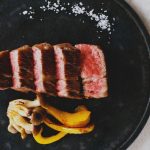
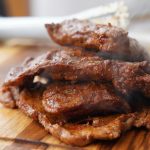
The “Butcher’s Feast” is Cote’s signature offering. It functions as a chef’s selection of various cuts of beef, often including prime rib, galbi, and skirt steak. This pre-selected menu simplifies the ordering process and allows diners to sample a range of beef preparations. The communal aspect of sharing this feast is a direct nod to traditional Korean barbecue.
À La Carte Options
While the Butcher’s Feast is prominent, Cote also provides an à la carte menu. This allows diners to select specific cuts or additional dishes. Options typically include Wagyu beef, various grades of American prime beef, and a selection of Korean-inspired side dishes. The à la carte menu offers flexibility for those with specific preferences.
The Dining Experience
The Cote dining experience is meticulously curated. From the moment you enter, the environment is designed to convey a sense of refined dining. Tabletop grills, a staple of Korean barbecue, are seamlessly integrated into the contemporary setting. The service model also blends aspects of both traditions.
Tabletop Grilling and Service
A crucial component of the Cote experience is the tabletop grilling. Skilled servers, rather than diners, handle the cooking of the meat directly at the table. This ensures consistent doneness and allows diners to focus on the social aspect of the meal. The server acts as a guide, explaining cuts and offering pairing suggestions.
Banchan and Shared Plates
Accompanying the grilled meats are traditional Korean side dishes, known as banchan. These small, often pickled or fermented dishes, provide a spectrum of flavors and textures that complement the richness of the beef. Examples include kimchi, pickled radishes, and various seasoned vegetables. The banchan selection at Cote is curated for balance and freshness.
Beverage Program
Cote’s beverage program is designed to complement its robust meat offerings. The wine list leans towards reds, with a focus on selections that pair well with aged beef. In addition, there is a curated selection of Korean soju, traditional spirits, and craft cocktails, each crafted to harmonize with the restaurant’s culinary profile.
Menu Selections and Culinary Craftsmanship
The menu at Cote demonstrates a commitment to both quality ingredients and precise execution. The selection of beef is paramount, but the supporting dishes and flavors are equally integral to the overall experience. Consider the careful balance between the richness of the meat and the piquancy of the Korean accompaniments.
Beef Program: Grades and Sourcing
Cote sources its beef from reputable purveyors, emphasizing high-quality grades such as USDA Prime and various Wagyu classifications. The distinction between these grades, based on marbling and tenderness, is explained by the serving staff. This transparency allows diners to make informed choices based on their preferences for flavor and texture.
Signature Korean Dishes with a Twist
Beyond the grilled meats, Cote offers a selection of refined Korean dishes. These are not mere afterthoughts but integral components of the menu. For instance, the “Kimchi Stew” is prepared with aged kimchi, providing a deeper, more complex flavor profile than typically found. “Galbi Jjim” (braised short ribs) offers an alternative to the grilled options, showcasing a different facet of Korean meat preparation.
Dessert Offerings
Cote’s dessert menu provides a lighter conclusion to the meal. While not as extensive as the savory offerings, desserts are often designed to cleanse the palate or offer a subtly sweet finish. Examples have included soft-serve ice cream with unique toppings or lighter fruit-based preparations, reflecting an understanding of post-meal comfort.
If you’re looking to explore more about the vibrant dining scene in the area, you might find this article on steakhouse experiences particularly interesting. It delves into various culinary options, including the unique offerings at Cote Korean Steakhouse, which combines traditional Korean flavors with a modern steakhouse atmosphere. This blend of cultures creates a dining experience that is both exciting and delicious, making it a must-visit for food enthusiasts.
Critical Reception and Industry Impact
Cote Steakhouse has received notable recognition from food critics and industry publications. This critical appreciation often cites the restaurant’s innovative approach to culinary fusion and its execution of high-quality ingredients. Its influence extends to shaping perceptions of Korean barbecue within the fine dining landscape.
Michelin Star Recognition
The New York City location of Cote has been awarded a Michelin Star, a significant industry accolade that denotes high-quality cooking. This recognition signifies consistent excellence in cuisine and service. The Michelin Guide’s criteria involve the quality of ingredients, preparation, flavor, innovation, and consistency.
Reviews from Food Critics
Food critics have generally lauded Cote for its ability to elevate Korean barbecue. Reviews often highlight the quality of the aged beef, the attentive service, and the sophisticated atmosphere. The concept of integrating two distinct culinary cultures seamlessly is frequently praised as an innovative approach.
Influence on the Fine Dining Scene
Cote’s success suggests a broader trend towards culinary convergence and the re-evaluation of traditional cuisines within a luxury context. It has arguably contributed to a greater appreciation for refined Korean dining among a wider audience. The model’s success may also inspire other restaurateurs to explore similar hybrid concepts.
Practical Considerations for Diners
If you are considering a visit to Cote, understanding certain practical details can enhance your experience. These details range from booking procedures to attire suggestions, all contributing to a seamless dining encounter.
Reservations and Waiting List
Due to its popularity, reservations at Cote are often essential, particularly for peak dining hours. It is advisable to book well in advance. The restaurant typically manages a waiting list for last-minute inquiries, although securing a table through this method can be challenging. Plan your visit accordingly.
Attire and Ambiance
Cote maintains a smart casual dress code. While not overly formal, guests typically opt for well-presented attire. The ambiance is upscale contemporary, with dim lighting and carefully selected music contributing to a sophisticated yet energetic atmosphere.
Pricing Structure
Cote is positioned as a fine dining establishment, and its pricing reflects this. The Butcher’s Feast offers a fixed price per person, while à la carte items are priced individually. Expect an investment commensurate with a high-quality steakhouse experience. It is prudent to review the menu and pricing online before your visit.
Conclusion: A Synthesis of Flavors
Cote Steakhouse represents a deliberate synthesis of culinary traditions. By merging the precision of American steakhouse techniques with the communal joy of Korean barbecue, it offers a distinct dining experience. The emphasis on high-quality aged beef, coupled with expert table-side grilling and thoughtfully curated Korean accompaniments, creates a cohesive and memorable meal. It stands as an example of how distinct culinary pathways can converge to form a new and compelling gastronomic destination. Your experience there will likely involve an exploration of these interwoven elements.