In recent years, the culinary landscape has witnessed a growing interest in international cuisines. Among these, Brazilian barbecue, known as churrasco, has garnered significant attention. This article serves as a guide for individuals seeking authentic Brazilian barbecue experiences in their vicinity. It aims to clarify the characteristics of a genuine churrascaria and provide practical advice for locating such establishments.
Brazilian churrasco is more than just grilled meat; it is a cultural tradition that embodies community and celebration. Originating in the southern plains of Brazil, where gauchos (cowboys) herded cattle, the practice of roasting large cuts of meat over open flames evolved into a distinct culinary art form. The essence of churrasco lies in its simplicity and the quality of its primary ingredient: meat.
The Role of the Churrasqueiro
The churrasqueiro is the master of the grill, akin to an orchestra conductor for a culinary symphony. Their expertise is paramount in achieving the characteristic flavor and tenderness of the meat. This individual possesses an intimate understanding of different cuts, cooking times, and temperature control.
- Meat Selection: A skilled churrasqueiro meticulously selects high-quality cuts of beef, pork, lamb, and chicken. The marbling and freshness of the meat are critical considerations.
- Seasoning Techniques: Traditional churrasco employs minimal seasoning, typically coarse sea salt. This allows the natural flavors of the meat to shine through. The churrasqueiro applies salt judiciously, ensuring even distribution.
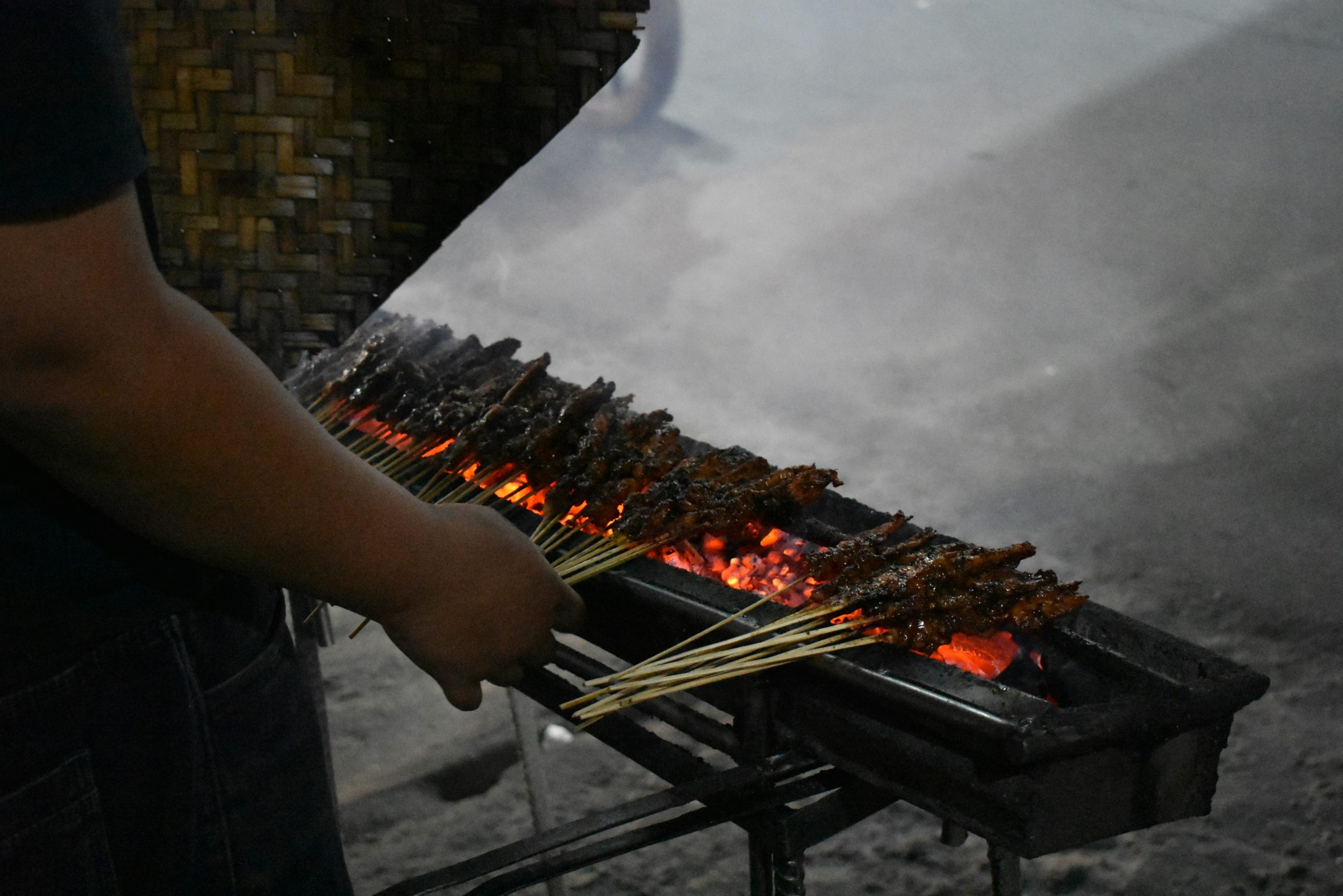
- Grilling Methods: Meats are typically skewered and slow-roasted over natural wood or charcoal fires, which impart a smoky aroma. The consistent rotation of skewers ensures even cooking and a desirable crust.
Key Meat Cuts in Churrasco
A defining feature of an authentic churrascaria is the variety and quality of its meat offerings. Each cut presents a unique texture and flavor profile.
- Picanha (Top Sirloin Cap): Considered the crown jewel of churrasco, picanha is recognized by its distinctive fat cap, which renders during cooking, infusing the meat with flavor and moisture.
- Lombo (Pork Loin): Often marinated and grilled to tender perfection, lombo provides a leaner alternative while maintaining savory notes.
- Fraldinha (Bottom Sirloin): Known for its rich flavor and characteristic grain, fraldinha is typically served sliced thin.
- Costela (Beef Ribs): Slow-cooked for extended periods, costela develops an unparalleled tenderness, often falling off the bone.
- Coração de Frango (Chicken Hearts): A popular and surprisingly tender delicacy, often seasoned and grilled on smaller skewers.
- Linguiça (Brazilian Sausage): Various types of flavorful sausages, from pork to chicken, are common accompaniments.
If you’re looking to explore the delicious world of Brazilian barbecue, you might find this article on traditional grilling techniques particularly interesting. It delves into the rich history and cultural significance of churrasco, offering insights that can enhance your next barbecue experience. To read more, check out the article here: Brazilian Barbecue Techniques.
Identifying an Authentic Churrascaria
When seeking an authentic Brazilian barbecue experience, several indicators can help distinguish a genuine establishment from an imitation. The atmosphere, service model, and culinary practices collectively contribute to the authenticity.
The Rodízio Service Model
The rodízio service model is a hallmark of traditional Brazilian churrascarias. This all-you-can-eat style involves continuous table-side service, where passadores (meat carvers) circulate with skewers of grilled meats.
- Green and Red Cards: Diners are typically provided with a two-sided disc, green on one side and red on the other. Displaying the green side signals to the passadores that you wish for more meat, while the red side indicates a pause or that you are finished. This system orchestrates the dining experience efficiently.
- Continuous Rotation: The passadores move systematically through the dining room, offering various cuts of freshly grilled meat directly from the skewer. This continuous flow ensures that diners receive hot, freshly carved portions.
Gaucho Culture and Décor
While not strictly necessary for culinary authenticity, elements of Gaucho culture often permeate genuine churrascarias, contributing to the overall experience.
- Traditional Attire: Passadores may wear traditional gaucho attire, including bombachas (loose-fitting trousers) and kerchiefs, as a nod to the historical origins of churrasco.
- Rustic Ambiance: The interior design often incorporates rustic elements such as natural wood, exposed brick, and images of South American landscapes or gauchos. This aesthetic aims to transport diners to the plains of Brazil.
The Salad Bar and Hot Dishes
While meat is the star, a comprehensive salad bar and selection of hot dishes complement the churrasco experience. These offerings provide balance and variety.
- Fresh Salads and Vegetables: A well-stocked salad bar includes a range of fresh greens, vegetables, and often prepared salads like potato salad, mixed greens, and Caesar salad.
- Traditional Brazilian Sides: Essential hot sides include feijoada (black bean stew), arroz branco (white rice), farofa (toasted cassava flour with seasonings), and pão de queijo (cheese bread). These staples often accompany virtually every Brazilian meal.
Locating “Authentic Brazilian Barbecue Near Me”

The quest for authentic Brazilian barbecue can be systematically approached using various resources and methods. Practical strategies include online searches, peer recommendations, and direct observation.
Online Search and Reviews
In the digital age, online platforms are invaluable tools for discovering local dining establishments. Refined search queries and critical evaluation of reviews are crucial.
- Specific Keywords: Utilize search terms like “Brazilian steakhouse,” “churrascaria,” “rodízio grill,” followed by your location or “near me.” These terms specifically target the desired type of restaurant.
- Review Platform Analysis: Consult reputable review websites (e.g., Yelp, Google Maps, TripAdvisor). Pay close attention to reviews that specifically mention the rodízio service, the quality of meat cuts (especially picanha), and the authenticity of side dishes. Look for recurring themes in both positive and negative feedback.
- Restaurant Websites: Reputable churrascarias often have professional websites detailing their menu, service style, and history. Examine their menu for the signature meat cuts and hot dishes previously mentioned.
Peer Recommendations and Community Forums
Word-of-mouth remains a powerful tool for discovering quality dining experiences. Engaging with local communities can yield valuable insights.
- Local Foodie Groups: Join local online groups or forums dedicated to food and dining. Pose direct questions about authentic Brazilian barbecue recommendations. Members often share personal experiences and hidden gems.
- Brazilian Community Networks: If possible, seek recommendations from individuals of Brazilian heritage or those who have lived in Brazil. Their firsthand knowledge can often pinpoint the most authentic establishments.
Observational Clues
A direct visit to a potential churrascaria, even if only for observation, can provide significant insights into its authenticity.
- Atmosphere and Clientele: Observe the clientele. A significant presence of Brazilian patrons can be an indicator of authenticity. Note the overall ambiance – is it vibrant and bustling, or quiet and sparse?
- Sights and Sounds: Listen for the clinking of skewers and the sound of sizzling meat. Can you see passadores circulating with skewers from your vantage point? The aroma of grilled meat should also be discernible.
- Menu Scrutiny: Even from outside or in the waiting area, a quick glance at a publicly displayed menu can verify the presence of key meat cuts and the rodízio concept.
The Churrascaria Experience: Expectations and Etiquette

Once you have located a suitable churrascaria, understanding the dining experience and adhering to certain etiquette can enhance your enjoyment. The rodízio style encourages a leisurely meal.
Pacing Yourself
The continuous service model of rodízio can be overwhelming for first-time diners. Pacing is key to enjoying the full range of offerings without becoming overly full too quickly.
- Sample, Don’t Gorge: When passadores approach, take smaller portions of each meat initially. This allows you to sample a wider variety before committing to larger quantities of your favorites.
- Utilize the Green and Red Cards: Do not hesitate to use the red side of your card to signal a pause. This gives you time to digest, enjoy sides, and engage in conversation before resuming meat service.
Paired Beverages and Desserts
Complementing your meal with appropriate beverages and concluding with traditional desserts can elevate the dining experience.
- Brazilian Beverages: Consider ordering a caipirinha (Brazil’s national cocktail made with cachaça, lime, and sugar) or guarana (a popular Brazilian soda). These drinks offer a taste of Brazil beyond the food.
- Wine Pairing: Many churrascarias offer a selection of South American wines, particularly from Argentina and Chile, which pair well with grilled meats.
- Traditional Desserts: Common Brazilian desserts include pudim (flan), mousse de maracujá (passion fruit mousse), and papaya cream. These offer a sweet conclusion to the rich savory meal.
If you’re looking to explore the delightful world of Brazilian barbecue, you might find it interesting to read about some delicious tapas options that can complement your meal. Check out this related article on afternoon tapas, which offers a variety of small dishes that can enhance your dining experience. You can find it here: afternoon tapas. This could be a great way to elevate your next barbecue gathering with friends and family.
Common Pitfalls to Avoid
| Restaurant Name | Distance (miles) | Rating | Number of Reviews | Price Level | Specialty |
|---|---|---|---|---|---|
| Churrascaria Rio | 1.2 | 4.5 | 320 | Moderate | All-you-can-eat meat |
| Brazilian Grill House | 2.5 | 4.2 | 210 | Moderate | Traditional rodizio |
| Fogo de Chão | 3.0 | 4.7 | 450 | High | Premium cuts and salad bar |
| Gaucho BBQ | 4.1 | 4.0 | 150 | Moderate | Skewered meats |
| Casa do Churrasco | 5.0 | 4.3 | 180 | Moderate | Family style barbecue |
Navigating the world of international cuisine can sometimes lead to less-than-authentic experiences. Being aware of common pitfalls can help you avoid disappointment.
Misinterpreting “Brazilian-Style”
Some establishments may market themselves as “Brazilian-style barbecue” but deviate significantly from traditional churrasco. This often manifests in several ways.
- Buffet-Style Meat Stations: If meat is carved at a stationary buffet station rather than by passadores at your table, it fundamentally alters the rodízio experience. The freshness and temperature of the meat can be compromised.
- Limited Meat Variety: A lack of the signature cuts like picanha, fraldinha, or costela, or an overemphasis on less traditional cuts, suggests a departure from authenticity.
- Excessive Marinades/Sauces: Authentic churrasco relies on the inherent flavor of quality meat and minimal seasoning. Meats heavily coated in marinades or sauces might be masking lower quality or a deviation from tradition.
Overlooking the Details
The small details often collectively define the authenticity of a culinary experience. Their absence can be telling.
- Lack of Traditional Sides: The absence of key Brazilian side dishes like pão de queijo, farofa, or feijoada should raise questions about the restaurant’s commitment to a full Brazilian experience.
- Poor Meat Quality: Regardless of the service style, the ultimate test is the quality of the meat. If the meat is tough, dry, or lacks flavor, the establishment fails to deliver on the core promise of churrasco.
- Inattentive or Uninformed Staff: Staff who cannot articulate the different meat cuts, cooking methods, or Brazilian culinary traditions may indicate a superficial understanding of the cuisine.
If you’re looking to experience the rich flavors of Brazilian barbecue near you, you might find it interesting to read about an authentic steakhouse in Deerfield Beach. This article highlights the unique offerings and vibrant atmosphere that make Brazilian barbecue a must-try for any food lover. Discover more about this culinary delight by checking out the full story here.
Conclusion
The pursuit of authentic Brazilian barbecue is a culinary journey that rewards careful selection and an understanding of the cultural context. By recognizing the critical elements of genuine churrasco, from the expertise of the churrasqueiro and the rodízio service model to the specific meat cuts and traditional side dishes, you are better equipped to identify and enjoy a truly authentic experience. Utilize online resources and community networks, and trust your observational skills to discern between genuine establishments and those merely borrowing the name. Approach the meal with an understanding of the pacing and etiquette, and you will find Brazilian barbecue to be a feast that transcends mere sustenance, instead becoming a vibrant cultural immersion.