This article outlines methods and considerations for consumers seeking to find Longhorn beef producers and related products in their vicinity. Longhorn cattle, known for their distinctive horns and history in North American ranching, are raised by various agricultural operations. This guide aims to provide a structured approach to identifying local sources for this particular breed of beef.
Understanding Longhorn Beef
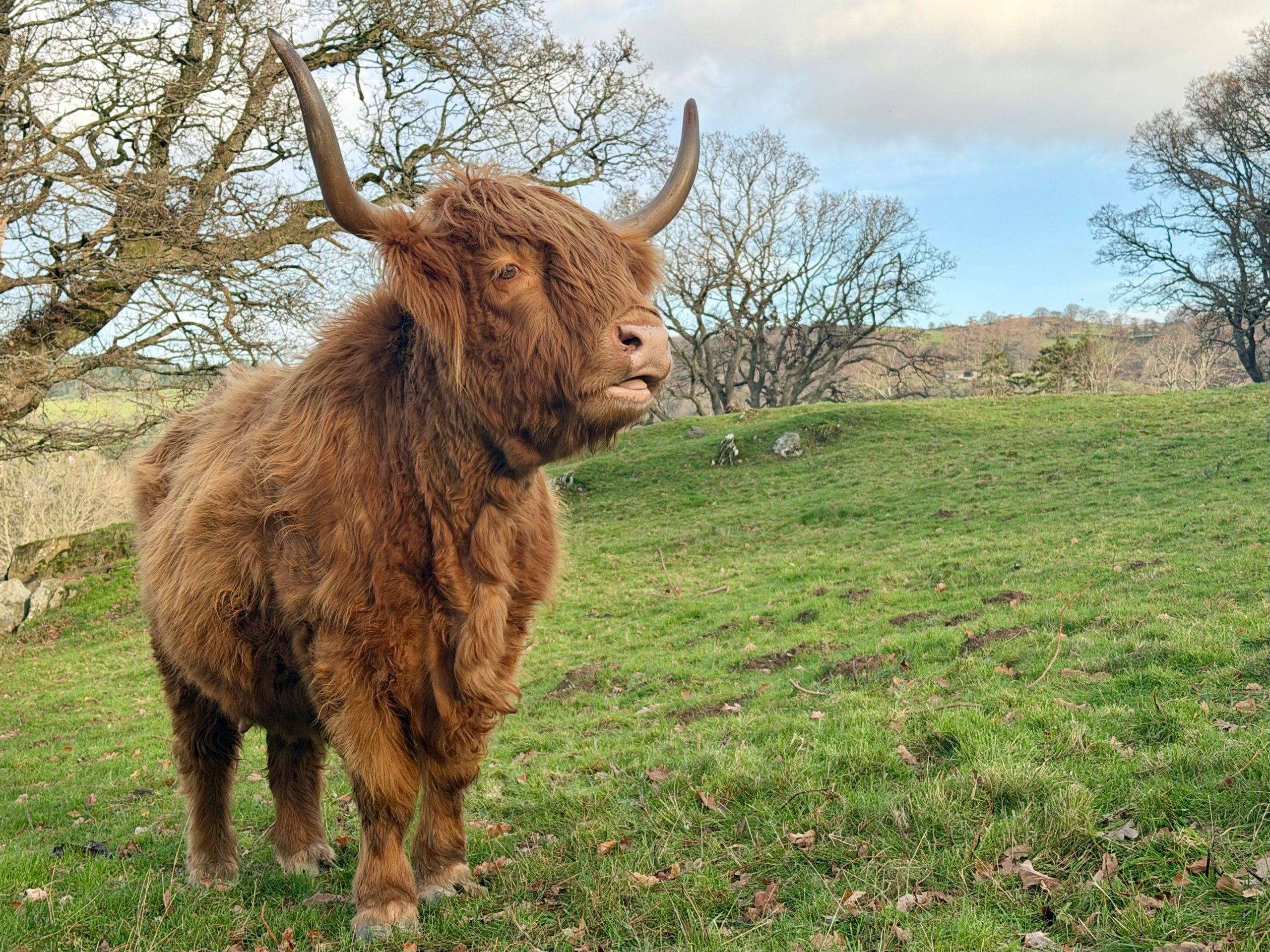
Longhorn cattle are a heritage breed. Their lineage can be traced back to indigenous Spanish cattle brought to the Americas centuries ago. Historically, they were instrumental in the development of the cattle industry in the American West. Today, Longhorn beef is sought after by some consumers for its perceived characteristics.
Genetic Heritage and Traits
The Texas Longhorn, arguably the most recognized variation, is known for its hardiness and adaptability to various environments. These traits translate to the cattle’s ability to thrive on pasture and forage. The breed’s genetic makeup has been shaped by centuries of natural selection, favoring resilience.
Nutritional Profile of Longhorn Beef
Longhorn beef is generally considered lean when compared to some other breeds. Studies have indicated that it can be lower in total fat and saturated fat, while still providing a good source of protein, iron, and zinc. The specific nutritional content can vary based on the animal’s diet, age, and farming practices.
Lean Meat Characteristics
The leaner composition of Longhorn beef means that cooking methods should be adapted to prevent drying out. Lower fat content can result in a different flavor profile and texture compared to more heavily marbled breeds. This is a factor for consumers to consider during preparation.
Pasture-Raised Advantages
Many Longhorn operations emphasize pasture-raised or grass-fed practices. This approach to animal husbandry can influence the beef’s nutrient profile, potentially leading to higher levels of omega-3 fatty acids and conjugated linoleic acid (CLA) compared to grain-finished beef.
Flavor and Texture Considerations
The flavor and texture of Longhorn beef are subjects of discussion among consumers and culinary professionals. Some describe its taste as rich and robust, with a distinct character. The texture can be firmer due to its leanness. These attributes are often appreciated by individuals seeking a more traditional beef experience.
Distinguishing Flavor Notes
The specific flavor of Longhorn beef is partly attributed to its diet. Cattle foraging on diverse pastures can impart nuanced flavors to the meat. This contrasts with the more uniform flavor profile often associated with grain-finished cattle.
Texture and Cooking Techniques
Due to its leaner nature, Longhorn beef benefits from specific cooking techniques. Slow cooking methods, braising, and marinades can help to tenderize the meat and enhance moisture retention. Overcooking can lead to a less desirable, dry texture.
If you’re looking for a great dining experience featuring delicious longhorn dishes, you might find this article helpful: Discover the Best Longhorn Restaurants Near You. It provides insights into various local eateries that specialize in longhorn cuisine, ensuring you can enjoy a flavorful meal without having to travel far.
Searching for Local Longhorn Producers
Finding local producers requires a multi-pronged approach. Utilizing online resources, agricultural directories, and direct community engagement are effective strategies. The aim is to connect with ranchers who raise Longhorn cattle and offer their beef for sale.
Online Search Strategies
The internet serves as a primary tool for locating producers. Utilizing specific search terms is crucial. Combining breed names with location-based keywords will yield more targeted results.
Keyword Implementation
When searching online, employ terms such as “Longhorn beef [your city/state],” “Texas Longhorn rancher near me,” “local grass-fed Longhorn,” or “[your region] heritage beef.” Experimenting with different combinations can broaden your search.
Navigating Agricultural Websites and Directories
Specialized agricultural websites and directories often list livestock producers. Look for sections dedicated to cattle breeds or direct-to-consumer sales. These platforms can act as a bridge between consumers and producers.
Leveraging Farmers’ Markets and Local Food Hubs
Farmers’ markets are a direct avenue to connect with local food producers. Many ranchers who raise heritage breeds, including Longhorns, participate in these events. Local food hubs, which aggregate products from multiple farms, can also be a valuable resource.
Identifying Vendors at Farmers’ Markets
When visiting farmers’ markets, inquire directly with vendors about their cattle breeds. Look for signs or product descriptions that specify Longhorn beef. Engage with the farmers to understand their practices.
Exploring Local Food Hub Operations
Research local food hubs in your area. Their websites or staff can provide information on which farms offer Longhorn beef. These hubs often streamline the purchasing process, allowing for delivery or centralized pickup.
Connecting with Agricultural Communities and Organizations
Local agricultural organizations and breed associations can be excellent sources of information. Networking within these communities can lead to direct introductions to Longhorn producers.
Breed Association Resources
Organizations dedicated to the Texas Longhorn breed often maintain member directories or producer lists. Contacting these associations can provide a starting point for identifying reputable local breeders.
Local Cattlemen’s Associations
Engaging with local cattlemen’s associations can offer insights into ranchers operating within your region. These groups can facilitate connections and provide information on local beef availability.
Types of Longhorn Beef Products Available
The availability of Longhorn beef products can range from whole or half carcasses to individual cuts. Consumers may also find value-added products derived from Longhorn cattle.
Whole and Half Beef Purchases
Purchasing a whole or half of a Longhorn steer is a common method for consumers seeking to stock their freezers. This requires coordination with a producer and a processing facility.
Understanding Bulk Purchases
When considering a bulk purchase, understand the approximate yield of meat from a steer. Producers can typically provide estimates based on their experience. This purchase method often offers a cost advantage per pound.
Cuts and Customization Options
With bulk purchases, consumers typically have the opportunity to specify how the carcass is cut. This allows for customization of cuts, such as steaks, roasts, and ground beef, according to personal preferences.
Individual Cuts and Specialty Items
For consumers who prefer to buy smaller quantities, individual cuts of Longhorn beef are often available. This provides flexibility for those who do not have the storage capacity for bulk purchases.
Retail Availability at Lockers and Butcher Shops
Some local locker plants and butcher shops may carry Longhorn beef, particularly if they source from local ranches. Inquiring at these establishments can reveal availability.
Specialty Cut Pricing
Specialty cuts, such as ribeye or tenderloin, may be priced differently than more common cuts like ground beef or chuck roast. Researching typical pricing for these cuts can inform purchasing decisions.
Other Longhorn Products
Beyond beef, other products may be derived from Longhorn cattle, though these are generally less common for direct consumer purchase than the meat.
Hides and Horns
The distinctive horns of the Longhorn are often sought for decorative purposes or as components in crafts. The hides can also be used in leather goods. Producers may offer these items separately.
Breeding Stock and Genetic Material
For those interested in raising their own Longhorns, breeding stock and genetic material may be available directly from established ranches. This is a different market than that for beef consumption.
Factors to Consider When Buying Longhorn Beef
When selecting a Longhorn producer and purchasing their beef, several factors warrant consideration to ensure quality and ethical sourcing.
Producer Practices and Transparency
Understanding how the cattle are raised is paramount. Transparency from the producer regarding their farming methods, diet, and animal welfare practices is a key indicator of quality.
Grazing and Feeding Regimes
Inquire about the cattle’s diet. Are they exclusively pasture-raised? Do they receive supplemental feed, and if so, what are the feed components? This information impacts the beef’s characteristics.
Animal Welfare Standards
Reputable producers adhere to high animal welfare standards. Understanding their approach to animal care, handling, and housing provides insight into their commitment to ethical practices.
Processing and Packaging Methods
The way the beef is processed and packaged significantly influences its quality and shelf life.
Aging of Beef
The aging process, where meat is held under controlled conditions to develop flavor and tenderness, is an important consideration. Dry-aging or wet-aging can alter the final product.
Packaging Formats
The packaging of the beef, whether vacuum-sealed or wrapped, affects its longevity in the freezer. Vacuum-sealed packaging generally extends freezer life by preventing freezer burn.
Pricing and Value Proposition
The cost of Longhorn beef can vary. Understanding what influences pricing and assessing the overall value can help in making informed decisions.
Per-Pound vs. Bulk Pricing
Bulk purchases typically offer a lower per-pound cost compared to buying individual cuts. However, the initial investment for bulk purchases is higher.
Assessing Quality for Price
Consider the overall quality of the beef in relation to its price. Factors such as breed characteristics, producer practices, and processing methods contribute to the perceived value.
If you’re searching for a great dining experience featuring delicious longhorn dishes, you might find it helpful to check out a related article that highlights some of the best options near you. This informative piece provides insights into various restaurants that serve longhorn specialties, ensuring you can enjoy a memorable meal. For more details, you can visit the article here.
Building a Relationship with Local Producers
Establishing a direct relationship with Longhorn beef producers can offer significant benefits, from consistent access to information about their offerings.
Direct Communication and Ordering
Engaging directly with producers allows for clear communication regarding product availability, ordering preferences, and delivery or pickup arrangements.
Placing Custom Orders
Producers may be amenable to custom orders for specific cuts or quantities, especially for regular customers. This provides a personalized experience.
Understanding Production Cycles
Producers can provide information on their production cycles, enabling consumers to anticipate when certain products will be available. This foresight aids in planning purchases.
Feedback and Product Improvement
Providing feedback to producers about their products can foster a collaborative environment. This information can be valuable for producers seeking to refine their offerings.
Sharing Culinary Experiences
Sharing your culinary experiences with Longhorn beef can offer constructive insights to the producer. Highlighting what you enjoy or what could be improved can contribute to their business.
Long-Term Purchasing Loyalty
Developing loyalty with a particular producer can ensure consistent access to their high-quality Longhorn beef and often leads to better understanding and service over time.
In conclusion, discovering the best Longhorn beef near you involves a deliberate search and an informed approach. By understanding the breed’s characteristics, employing effective search strategies, and critically evaluating producer practices, consumers can successfully locate and enjoy the unique offerings of Longhorn beef. The journey from locating a producer to savoring the finished product is a testament to the rich agricultural heritage of Longhorn cattle.