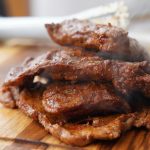

Navigating the culinary landscape for a premier steakhouse experience can be a complex endeavor. This guide aims to demystify the process, providing a structured approach to identifying high-quality establishments, understanding key distinctions in steak preparation and sourcing, and optimizing your dining experience. For the discerning individual seeking a meticulously grilled cut of prime beef, understanding the nuances of the steakhouse industry is paramount.
The phrase “best steakhouse near me” is relative, predicated on a blend of objective criteria and subjective preferences. However, certain markers consistently indicate a superior dining establishment. These include the quality of the beef, the chef’s culinary expertise, the restaurant’s ambiance, and the service staff’s professionalism.
Beef Quality and Sourcing
The bedrock of any exceptional steakhouse is its beef. This is not merely a component; it is the central pillar. Understanding the grades of beef and their implications is crucial.
USDA Grading System
The United States Department of Agriculture (USDA) employs a grading system that classifies beef based on marbling (intramuscular fat) and maturity. The primary grades encountered in steakhouses are Prime, Choice, and Select.
- USDA Prime: This grade represents the highest quality beef, constituting approximately 2% of all graded beef. Prime cuts exhibit abundant marbling, contributing to exceptional tenderness, juiciness, and flavor. These cuts are typically found in high-end steakhouses and select butcher shops. Marbling is akin to subterranean veins of flavor, melting during cooking and basting the muscle from within.
- USDA Choice: Choice beef is still high quality, with less marbling than Prime but more than Select. It is widely available and offers a good balance of tenderness and flavor. Many reputable steakhouses feature Choice cuts, often dry-aged or specially selected.
- USDA Select: Select beef is generally leaner, with less marbling. It can still be flavorful, particularly when properly prepared, but may lack the tenderness and juiciness of Prime or Choice cuts. It is less common in dedicated steakhouses.
Beyond USDA: Wagyu and Dry-Aging
Beyond the standard USDA classifications, two significant avenues enhance beef quality: Wagyu and dry-aging.
- Wagyu: Originating in Japan, Wagyu cattle are genetically predisposed to produce intensely marbled beef. The fat, rich in monounsaturated fatty acids, melts at lower temperatures, resulting in an exquisitely tender and buttery texture. Japanese Wagyu (e.g., Kobe, Miyazaki, Matsusaka) adheres to strict lineage and feeding protocols, achieving remarkably high Marbling Scores (BMS). Australian and American Wagyu, while also high quality, may vary in marbling and intensity. A Wagyu steak is not merely a meal; it is an experience, a symphony of fat and flesh that dissipates on the palate.
- Dry-Aging: This process involves storing large cuts of beef in a controlled environment (temperature, humidity, airflow) for an extended period, typically 21 to 120 days. During dry-aging, natural enzymes break down muscle fibers, tenderizing the meat. Simultaneously, moisture evaporates, concentrating the beef’s flavor and imparting a distinctive nutty, almost cheesy aroma. Dry-aging transforms the beef, much like time transforms a fledgling wine into a grand vintage. Not all cuts are suitable for dry-aging; those with a bone and a substantial fat cap are preferred.
Culinary Expertise and Preparation
Even the finest beef can be compromised by inexpert preparation. A chef’s proficiency in grilling, seasoning, and resting a steak is as vital as the quality of the raw material.
Grilling Techniques
Steakhouses often employ high-temperature cooking methods to achieve a desirable sear while maintaining the desired internal doneness.
- Broiling: Many classic steakhouses utilize powerful overhead broilers, reaching temperatures exceeding 800°F (427°C). This intense heat creates a deep, caramelized crust (Maillard reaction) quickly, locking in juices.
- Grilling: Open-flame grills, whether charcoal or gas-fired, impart smokiness and distinct grill marks. The direct heat ensures efficient cooking and a robust exterior.
- Cast Iron Searing: Some establishments utilize cast iron skillets, often finished in an oven, to achieve an even crust and consistent internal temperature. This method is particularly effective for thicker cuts.
Seasoning and Resting
Simplicity is often the hallmark of a perfectly cooked steak. High-quality beef requires minimal seasoning, typically coarse salt and freshly cracked black pepper, applied judiciously. Beyond seasoning, the critical but often overlooked step is resting the steak after cooking. Resting, for a period roughly equal to 5-10 minutes per inch of thickness, allows the muscle fibers to relax and the internal juices, which have been driven to the center during cooking, to redistribute throughout the meat. Failure to rest results in a steak that bleeds excessively when cut, leading to a drier, less flavorful experience. Resting is the quiet contemplation before the grand reveal.
If you’re looking for a great steakhouse near you, be sure to check out this informative article on local dining options that highlights some of the best steakhouses in the area. It provides insights into their unique offerings, ambiance, and customer reviews, making it easier for you to choose the perfect spot for your next meal. For more details, visit this link.
Assessing Ambiance and Service
While the steak itself is paramount, the overall dining experience is significantly influenced by the restaurant’s atmosphere and the attentiveness of its staff.
Ambiance: Setting the Scene
A steakhouse’s ambiance typically leans toward classic elegance, with dim lighting, plush seating, and rich wood or leather accents. However, variations exist, from contemporary interpretations to more casual, rustic settings.
- Classic Steakhouse: Often characterized by dark wood paneling, white tablecloths, and a hushed, refined atmosphere. This environment suggests a focus on tradition and a certain gravitas.
- Modern Steakhouse: May incorporate contemporary design elements, potentially with more vibrant lighting, open kitchens, and a slightly more energetic vibe. These often blend classic steakhouse offerings with innovative culinary approaches.
- Boutique/Specialty Steakhouse: Smaller, more intimate establishments that might focus on a particular type of beef (e.g., a Japanese Wagyu specialty restaurant) or offer a unique conceptual dining experience.
Consider whether the ambiance aligns with your purpose for dining, be it a formal business dinner, a romantic evening, or a celebratory gathering. The setting should resonate with the culinary journey.
Service: The Dining Orchestra
Exceptional service elevates a meal from mere consumption to an orchestrated experience.
Knowledgeable Staff
A proficient steakhouse server possesses detailed knowledge of the menu, including beef cuts, origins, aging processes, and recommended preparations. They should be able to guide you through the wine list, suggesting pairings that complement your chosen cut. This knowledge should be delivered confidently but without pretension.
Attentiveness and Discretion
The service staff should be attentive to your needs without being intrusive. Plates should be cleared expeditiously, water glasses refilled, and inquiries handled efficiently. Discreet observation allows the staff to anticipate needs before they are voiced, maintaining a seamless flow to the meal. Good service is a silent partner in the dining experience, ensuring every note is played correctly.
The Menu Beyond Steak

While steak is the undeniable star, a full-service steakhouse offers a supporting cast of appetizers, side dishes, and desserts that contribute to the overall impression. These elements should demonstrate the same commitment to quality as the main course.
Appetizers and Starters
Common steakhouse appetizers include shellfish (oysters, shrimp cocktail, crab cakes), classic salads (Caesar, wedge), and rich, savory options like foie gras or beef tartare. The quality of these initial offerings sets the tone for the meal. Freshness, meticulous preparation, and balanced flavors are key.
Side Dishes: The Accompaniments
Steakhouse side dishes are often designed to complement the richness of the main course. Creamed spinach, roasted asparagus, sautéed mushrooms, and various potato preparations (au gratin, mashed, baked) are staples. These should not be afterthoughts but carefully crafted dishes that enhance, rather than detract from, the steak. A perfectly crisp exterior on a baked potato, or a deeply savory reduction in a creamed spinach, signals attention to detail.
Dessert and Digestifs
Concluding a steakhouse meal often involves rich desserts—cheesecake, chocolate lava cake, or a classic crème brûlée. These should be well-executed and satisfying. A comprehensive list of digestifs, including brandies, whiskies, and fortified wines, offers a sophisticated end to the dining experience.
Navigating Price and Value

High-quality beef and impeccable service come at a price. Understanding the cost structure and evaluating value involves more than just the numerical total.
Price Considerations
Steakhouse dining is typically a premium experience. Anticipate higher prices for USDA Prime cuts, dry-aged selections, and, particularly, Wagyu. Factors influencing price include:
- Beef Grade and Origin: As discussed, Prime and Wagyu are inherently more expensive. Some steakhouses also highlight sourcing from specific ranches, which can add to the cost.
- Aging Process: Dry-aged beef incurs additional costs due to the time and shrinkage involved in the process.
- Portion Size: Steaks are usually sold by weight (e.g., 8 oz filet, 22 oz bone-in ribeye).
- Location and Reputation: Establishments in prime urban locations or with long-standing reputations often command higher prices.
Defining Value
Value is not strictly synonymous with low price. A higher-priced meal that delivers an exceptional culinary experience, impeccable service, and a memorable evening can offer superior value compared to a cheaper alternative that disappoints on multiple fronts. Consider the entire package: the quality of the food, the ambiance, the service, and the overall impression. Value is the echo of satisfaction after the bill has been paid.
If you’re searching for a great steakhouse near you, you might find it helpful to read a related article that discusses the best dining options in your area. This article highlights various steakhouses, their unique offerings, and what makes each one stand out. For more insights, check out this informative piece on steakhouse dining experiences that could help you make the perfect choice for your next meal.
Maximizing Your Steakhouse Experience
| Steakhouse Name | Distance (miles) | Average Rating | Number of Reviews | Price Range | Popular Dish |
|---|---|---|---|---|---|
| Prime Cuts Steakhouse | 1.2 | 4.5 | 320 | 30-60 | Ribeye Steak |
| Grill Master | 2.5 | 4.2 | 210 | 25-50 | Filet Mignon |
| Steakhouse Deluxe | 3.0 | 4.7 | 450 | 40-70 | New York Strip |
| Urban Steak | 0.8 | 4.0 | 150 | 20-45 | Sirloin Steak |
| Classic Steaks | 4.1 | 4.3 | 275 | 35-65 | T-Bone Steak |
To ensure a truly satisfying visit, consider these practical tips.
Research and Reservations
Before embarking on your steakhouse quest, conduct thorough research. Consult online reviews, restaurant websites, and reputable food critics. Pay attention to consistent praise or criticism regarding beef quality, service, and ambiance. Reservations are often essential, particularly for popular establishments or during peak dining hours. A well-placed reservation is like securing a front-row seat to a culinary performance.
Communicate Preferences
Do not hesitate to communicate your preferences to your server. If you have dietary restrictions, a specific doneness preference, or questions about the menu, voice them clearly. A good steakhouse staff is equipped to accommodate reasonable requests.
Wine Pairings
A well-chosen wine can significantly enhance the steakhouse experience. Bold red wines, such as Cabernet Sauvignon, Merlot, or Syrah/Shiraz, are classic pairings for beef. Your server or sommelier can offer expert recommendations based on your steak choice and personal taste. The right wine is a liquid counterpart, enriching the flavor profile of the beef.
Doneness Levels
Understand the standard steak doneness levels to ensure your steak is prepared to your liking:
- Rare: Cool red center, barely cooked.
- Medium Rare: Warm red center, most common recommendation for flavor and tenderness.
- Medium: Warm pink center.
- Medium Well: Slightly pink center.
- Well Done: No pink, cooked through. (Often discouraged by chefs as it can compromise tenderness and juiciness.)
For higher quality cuts, particularly Prime or Wagyu, medium-rare is generally recommended to allow the marbling to melt and integrate without overcooking the delicate muscle.
The pursuit of the “best steakhouse near me” is a journey of culinary discovery. By understanding the principles of quality beef, expert preparation, refined ambiance, and attentive service, you are equipped to make an informed decision and embark on a rewarding dining experience. A truly exceptional steakhouse offers more than just a meal; it provides a sensory immersion, a testament to culinary craft, and a memorable occasion etched in flavor.