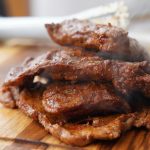
Ribeye steak, often hailed as one of the most flavorful cuts of beef, is a favorite among steak enthusiasts and casual diners alike.
This cut is derived from the rib section of the cow, specifically from the rib primal, which spans from ribs six to twelve.
The ribeye is known for its rich marbling, which contributes to its tenderness and juiciness.
The marbling consists of intramuscular fat that melts during cooking, infusing the meat with a buttery flavor that is hard to resist. This unique combination of flavor and texture makes ribeye steak a prime choice for grilling, pan-searing, or roasting. In addition to its taste, ribeye steak is versatile in terms of preparation and presentation.
It can be served bone-in or boneless, with each variation offering a slightly different experience. The bone-in ribeye, often referred to as a “Tomahawk” when left long, not only adds visual appeal but also enhances the flavor during cooking. On the other hand, boneless ribeye steaks are easier to handle and cook evenly.
Whether you prefer it cooked medium-rare or well-done, understanding the nuances of ribeye steak can elevate your dining experience and make you appreciate this cut even more.
Key Takeaways
- Ribeye steak is a flavorful and tender cut of beef that comes from the rib section of the cow
- The best ribeye steak restaurants can be found by researching online reviews and asking for recommendations from friends and family
- When choosing a ribeye steak, consider factors such as marbling, thickness, and grade of the meat
- Different cooking methods for ribeye steak include grilling, pan-searing, and sous vide
- Pairing ribeye steak with the perfect wine can enhance the dining experience and complement the flavors of the meat
Locating the Best Ribeye Steak Restaurants
Finding the best ribeye steak restaurants can be an adventure in itself, especially if you are in a culinary-rich area like Lighthouse Point or Deerfield Beach. When searching for a top-notch dining establishment that serves ribeye steak, consider factors such as customer reviews, menu offerings, and the restaurant’s overall ambiance. Online platforms like Yelp and Google Reviews can provide valuable insights into the experiences of other diners, helping you narrow down your options.
Look for restaurants that specialize in high-quality cuts of meat and have a reputation for excellent service. In addition to online reviews, word-of-mouth recommendations from friends and family can lead you to hidden gems in your area. Local food blogs and social media influencers often highlight their favorite dining spots, providing you with a curated list of places to try.
When visiting a restaurant, take note of their cooking methods and presentation styles; some establishments may offer unique twists on traditional ribeye preparations that can enhance your dining experience.
Ultimately, the best ribeye steak restaurant will not only serve delicious food but also create an inviting atmosphere that makes you want to return.
Factors to Consider When Choosing a Ribeye Steak

When selecting a ribeye steak, several factors come into play that can significantly impact your overall enjoyment of the meal. One of the most critical aspects is the quality of the meat itself. Look for steaks that are labeled as USDA Prime or Choice, as these grades indicate higher levels of marbling and tenderness.
Additionally, consider the source of the beef; grass-fed and organic options are becoming increasingly popular for their flavor profiles and ethical considerations. Knowing where your meat comes from can enhance your appreciation for the dish. Another important factor is the thickness of the steak.
Thicker cuts tend to retain more moisture during cooking, resulting in a juicier final product. A thickness of at least one inch is generally recommended for optimal cooking results. Additionally, consider how you plan to cook the steak; thicker cuts are better suited for grilling or roasting, while thinner cuts may be more appropriate for pan-searing.
Finally, don’t forget about seasoning; a simple rub of salt and pepper can elevate the natural flavors of the ribeye without overpowering them.
Exploring Different Cooking Methods for Ribeye Steak
| Cooking Method | Temperature | Cooking Time | Result |
|---|---|---|---|
| Grilling | High heat (450-500°F) | 4-5 minutes per side | Charred exterior, juicy interior |
| Sous Vide | 130°F | 1-2 hours | Evenly cooked throughout |
| Pan-searing | Medium-high heat | 3-4 minutes per side | Crispy crust, tender inside |
The cooking method you choose for your ribeye steak can dramatically influence its flavor and texture. Grilling is perhaps the most popular method, as it imparts a smoky char that complements the rich taste of the meat. When grilling ribeye steaks, preheat your grill to high heat and sear each side for a few minutes before reducing the temperature to finish cooking to your desired doneness.
This technique helps lock in juices while creating a beautiful crust on the outside. Pan-searing is another excellent option for cooking ribeye steaks, especially if you’re looking for a quick and easy method at home. Start by heating a cast-iron skillet over medium-high heat and adding a bit of oil to prevent sticking.
Sear the steak on both sides until a golden-brown crust forms, then finish it off in the oven if needed. This method allows for precise control over cooking time and temperature, ensuring that your steak reaches the perfect level of doneness. Regardless of your chosen method, always let your ribeye rest for a few minutes after cooking; this allows the juices to redistribute throughout the meat, resulting in a more flavorful bite.
Pairing Ribeye Steak with the Perfect Wine
Wine pairing can elevate your ribeye steak experience to new heights, enhancing both the flavors of the meat and the wine itself. When it comes to red meat like ribeye, full-bodied red wines are typically the best match due to their robust flavors and tannins that can stand up to the richness of the steak. Cabernet Sauvignon is often considered a classic pairing; its bold structure and dark fruit notes complement the savory qualities of ribeye beautifully.
Another excellent option is Malbec, which offers a fruit-forward profile with hints of spice that can enhance the overall dining experience. If you prefer something lighter, consider a Syrah or Zinfandel; both wines provide enough body to balance out the richness of the meat without overwhelming it. Ultimately, choosing a wine that you enjoy will make your meal even more satisfying, so don’t hesitate to explore different varietals until you find your perfect match.
Tips for Ordering the Perfect Ribeye Steak

When dining out at a restaurant known for its ribeye steaks, knowing how to order can make all the difference in your experience. Start by asking your server about their recommendations; they often have insights into which cuts are particularly good that day or any specials that may be available. Don’t hesitate to inquire about how the steak is sourced or prepared; understanding these details can enhance your appreciation for what you’re about to enjoy.
Additionally, consider specifying your preferred level of doneness when ordering. While many people opt for medium-rare as their go-to choice for ribeye steaks due to its balance of tenderness and flavor, it’s essential to communicate your preference clearly. If you’re unsure about what doneness level suits you best, ask your server for guidance based on their experience with how their kitchen prepares steaks.
Finally, don’t forget to explore side dishes and sauces that can complement your meal; these additions can round out your dining experience and make it even more memorable.
Exploring the Best Ribeye Steak Cuts
Ribeye steaks come in various cuts that offer different flavors and textures, making it essential to understand what each one brings to the table. The traditional boneless ribeye is popular for its ease of cooking and consistent tenderness throughout. However, if you’re looking for something with more flavor complexity, consider trying a bone-in ribeye or “rib steak.” The bone adds an extra layer of richness during cooking and can enhance the overall taste profile.
Another cut worth exploring is the “cap” or “deckle” portion of the ribeye, known as the ribeye cap or spinalis dorsi. This cut is prized for its incredible tenderness and rich flavor due to its higher fat content compared to other parts of the ribeye. It’s often considered one of the best parts of the entire cow by many steak aficionados.
Whether you choose a traditional cut or venture into more specialized options, understanding these variations will help you make informed decisions when selecting your next ribeye steak.
Enjoying a Delicious Ribeye Steak at Home
Cooking a delicious ribeye steak at home can be an incredibly rewarding experience when done correctly. Start by selecting a high-quality cut from your local butcher or grocery store; look for well-marbled steaks that promise tenderness and flavor. Once you have your steak ready, allow it to come to room temperature before cooking; this ensures even cooking throughout.
Seasoning is key when preparing ribeye at home; a simple blend of salt and pepper works wonders in enhancing its natural flavors without overpowering them. If you’re feeling adventurous, consider adding herbs like rosemary or thyme during cooking for an aromatic touch. Whether you choose to grill or pan-sear your steak, remember to monitor its internal temperature closely using a meat thermometer for precise results.
After cooking, let your steak rest before slicing into it; this step allows juices to redistribute within the meat, ensuring every bite is juicy and flavorful. In conclusion, enjoying a ribeye steak—whether at a restaurant or in your own kitchen—can be an extraordinary culinary experience when approached with knowledge and care. From understanding what makes this cut special to mastering cooking techniques and wine pairings, there’s much to explore in the world of ribeye steaks.
So gather your friends or family around the table and indulge in this delicious cut that has captured hearts (and appetites) around the globe!
FAQs
What is a ribeye steak?
A ribeye steak is a cut of beef that comes from the rib section of the cow. It is known for its rich marbling and intense flavor.
Where can I find ribeye steak near me?
You can find ribeye steak at most grocery stores, butcher shops, and restaurants that serve beef. You can also use online platforms to search for nearby locations that offer ribeye steak.
How should I cook a ribeye steak?
Ribeye steak can be cooked in a variety of ways, including grilling, pan-searing, or broiling. It is recommended to cook ribeye steak to medium-rare or medium doneness to preserve its tenderness and flavor.
What are the best sides to serve with ribeye steak?
Common side dishes to serve with ribeye steak include roasted vegetables, mashed potatoes, salad, or a baked potato. These sides complement the rich flavor of the steak.
What is the average price of a ribeye steak?
The price of a ribeye steak can vary depending on factors such as the quality of the beef, the cut, and the location. On average, a ribeye steak can range from $10 to $20 per pound.