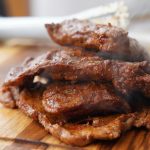

Ribeye steak is often hailed as one of the most flavorful cuts of beef, and for good reason. This cut comes from the rib section of the cow, specifically from the rib primal, which is located between the chuck and the loin. The ribeye is known for its rich marbling, which contributes to its tenderness and juiciness.
The marbling consists of intramuscular fat that melts during cooking, infusing the meat with flavor and ensuring a succulent bite. This cut can be served bone-in or boneless, with the bone-in version often referred to as a rib steak. The flavor profile of ribeye steak is robust and beefy, making it a favorite among steak enthusiasts.
When cooked properly, it offers a delightful combination of tenderness and a satisfying chew. The high-fat content not only enhances the taste but also allows for various cooking methods, from grilling to pan-searing. Understanding the characteristics of ribeye steak is essential for anyone looking to appreciate this cut fully, whether you are preparing it at home or enjoying it at a restaurant like Pampa Gaucho Brazilian Steakhouse.
Key Takeaways
- Ribeye steak comes from the rib section of the cow and is known for its rich marbling and intense flavor.
- Look for butcher shops that source their meat from reputable farms and offer a variety of ribeye cuts to choose from.
- High-quality restaurants often feature ribeye steak on their menus, offering different cooking styles and accompaniments.
- When selecting a ribeye steak, look for well-marbled cuts with a good amount of fat for flavor and tenderness.
- Cooking ribeye steak to perfection involves searing it on high heat and allowing it to rest before serving for optimal juiciness.
Locating the Best Butcher Shops
Finding the best butcher shop is crucial for sourcing high-quality ribeye steak. A reputable butcher will not only provide you with fresh cuts but also offer valuable insights into the meat’s origin and quality. When searching for a butcher shop, look for establishments that prioritize local sourcing and sustainable practices.
Many artisanal butchers take pride in their relationships with local farms, ensuring that the meat they sell is of the highest quality. In addition to quality, consider the expertise of the staff at your chosen butcher shop. Knowledgeable butchers can guide you in selecting the perfect cut based on your cooking method and personal preferences.
They can also provide tips on how to prepare and cook ribeye steak to achieve optimal flavor and tenderness. By establishing a relationship with a trusted butcher, you can ensure that you always have access to top-notch ribeye steaks for your culinary adventures.
Exploring High-Quality Restaurants

When it comes to enjoying ribeye steak without the hassle of cooking at home, high-quality restaurants are the way to go. Establishments like Pampa Gaucho Brazilian Steakhouse specialize in serving expertly prepared ribeye steaks that highlight the cut’s natural flavors. At a churrascaria, diners can experience the traditional Brazilian method of cooking meats over an open flame, which enhances the smoky flavor and tenderness of the steak.
Dining at a high-quality restaurant not only allows you to savor delicious ribeye steak but also provides an opportunity to explore various cooking styles and accompaniments. Many restaurants offer unique marinades or rubs that elevate the flavor profile of the ribeye, making each dining experience distinct. Additionally, the ambiance and service at these establishments contribute to an overall enjoyable meal, making it a perfect choice for special occasions or casual outings alike.
Tips for Selecting the Perfect Cut
| Factors to Consider | Importance |
|---|---|
| Diamond Cut | Very Important |
| Diamond Clarity | Important |
| Diamond Color | Important |
| Diamond Carat Weight | Less Important |
| Diamond Shape | Personal Preference |
Selecting the perfect ribeye steak involves more than just picking any piece of meat off the shelf. When shopping for ribeye, look for cuts with abundant marbling, as this will ensure a juicy and flavorful steak. The color of the meat is also an important factor; a bright red hue indicates freshness, while darker shades may suggest aging or spoilage.
If possible, choose steaks that are USDA Prime or Choice grade, as these grades signify higher quality meat with better marbling. Another tip is to consider the thickness of the cut. Thicker steaks tend to retain moisture better during cooking, resulting in a juicier final product.
A thickness of at least one inch is recommended for optimal cooking results. Additionally, don’t hesitate to ask your butcher for recommendations based on your cooking method—whether you plan to grill, pan-sear, or roast your ribeye steak, they can help you select the best cut for your needs.
The Art of Cooking Ribeye Steak
Cooking ribeye steak is an art form that requires attention to detail and an understanding of various techniques. One popular method is grilling, which imparts a delicious smoky flavor while allowing excess fat to drip away. To achieve perfect grill marks and a beautifully seared crust, preheat your grill to high heat before placing the steak on it.
Sear each side for about 4-5 minutes before reducing the heat to finish cooking to your desired doneness. Another excellent method for cooking ribeye is pan-searing. This technique involves using a heavy skillet—preferably cast iron—to achieve a deep brown crust while keeping the inside tender and juicy.
Start by seasoning your steak generously with salt and pepper before adding it to a hot skillet with a bit of oil. Sear each side for several minutes before adding butter and aromatics like garlic and thyme to baste the steak as it cooks. This method not only enhances flavor but also creates a rich sauce that can be drizzled over the finished dish.
Pairing Ribeye Steak with the Perfect Wine

Pairing wine with ribeye steak can elevate your dining experience significantly. The rich flavors and fatty content of ribeye call for bold red wines that can stand up to its intensity. A classic choice is Cabernet Sauvignon, known for its full body and tannins that complement the meat’s richness beautifully.
The wine’s dark fruit flavors and hints of oak enhance the overall taste experience. Another excellent pairing is Malbec, which offers a fruit-forward profile with soft tannins that harmonize well with grilled meats. Its smoky undertones make it particularly suitable for ribeye cooked over an open flame.
For those who prefer white wine, consider a full-bodied Chardonnay; its buttery notes can complement the steak’s fat content while providing a refreshing contrast.
Exploring Unique Seasonings and Marinades
While ribeye steak is delicious on its own, experimenting with unique seasonings and marinades can take your dish to new heights. A simple yet effective seasoning blend includes kosher salt, freshly cracked black pepper, and garlic powder—this classic combination enhances the natural flavors without overpowering them. For those looking to add a bit more complexity, consider incorporating herbs like rosemary or thyme into your seasoning mix.
Marinades are another fantastic way to infuse flavor into ribeye steak before cooking. A marinade made from olive oil, balsamic vinegar, minced garlic, and fresh herbs can tenderize the meat while adding depth to its flavor profile. Allowing the steak to marinate for several hours or overnight will yield even better results.
For a spicy kick, try adding chili flakes or hot sauce to your marinade for an exciting twist.
Enjoying Ribeye Steak in Various Culinary Styles
Ribeye steak is incredibly versatile and can be enjoyed in various culinary styles around the world. In Brazilian cuisine, for instance, ribeye is often served as part of a traditional churrasco—a barbecue feast featuring skewered meats cooked over an open flame. At Pampa Gaucho Brazilian Steakhouse, diners can experience this authentic preparation style while enjoying an array of side dishes that complement the rich flavors of the steak.
In addition to traditional preparations, ribeye can also be incorporated into dishes like stir-fries or tacos for a fusion twist.
Slicing cooked ribeye thinly allows it to be used in various recipes while still showcasing its robust flavor.
Whether served simply with sides or transformed into creative dishes, ribeye steak remains a beloved choice among meat lovers worldwide.
In conclusion, understanding ribeye steak—from its origins and selection process to cooking techniques and pairings—can enhance your appreciation for this exceptional cut of meat. Whether you’re enjoying it at home or indulging in a meal at Pampa Gaucho Brazilian Steakhouse in Lighthouse Point/Deerfield Beach, there are countless ways to savor this delicious steak in all its glory.
FAQs
What is a ribeye steak?
A ribeye steak is a cut of beef that comes from the rib section of the cow. It is known for its rich marbling and intense flavor.
Where can I find ribeye steak near me?
You can find ribeye steak at most grocery stores, butcher shops, and restaurants that serve beef.
How should I cook a ribeye steak?
Ribeye steak can be cooked using various methods such as grilling, pan-searing, or broiling. It is best cooked to medium-rare or medium doneness to preserve its tenderness and flavor.
What are the best sides to serve with ribeye steak?
Common sides to serve with ribeye steak include mashed potatoes, roasted vegetables, salad, or a baked potato.
What is the average price of a ribeye steak?
The price of a ribeye steak can vary depending on the quality and where it is purchased. On average, a ribeye steak can range from $10 to $20 per pound.