
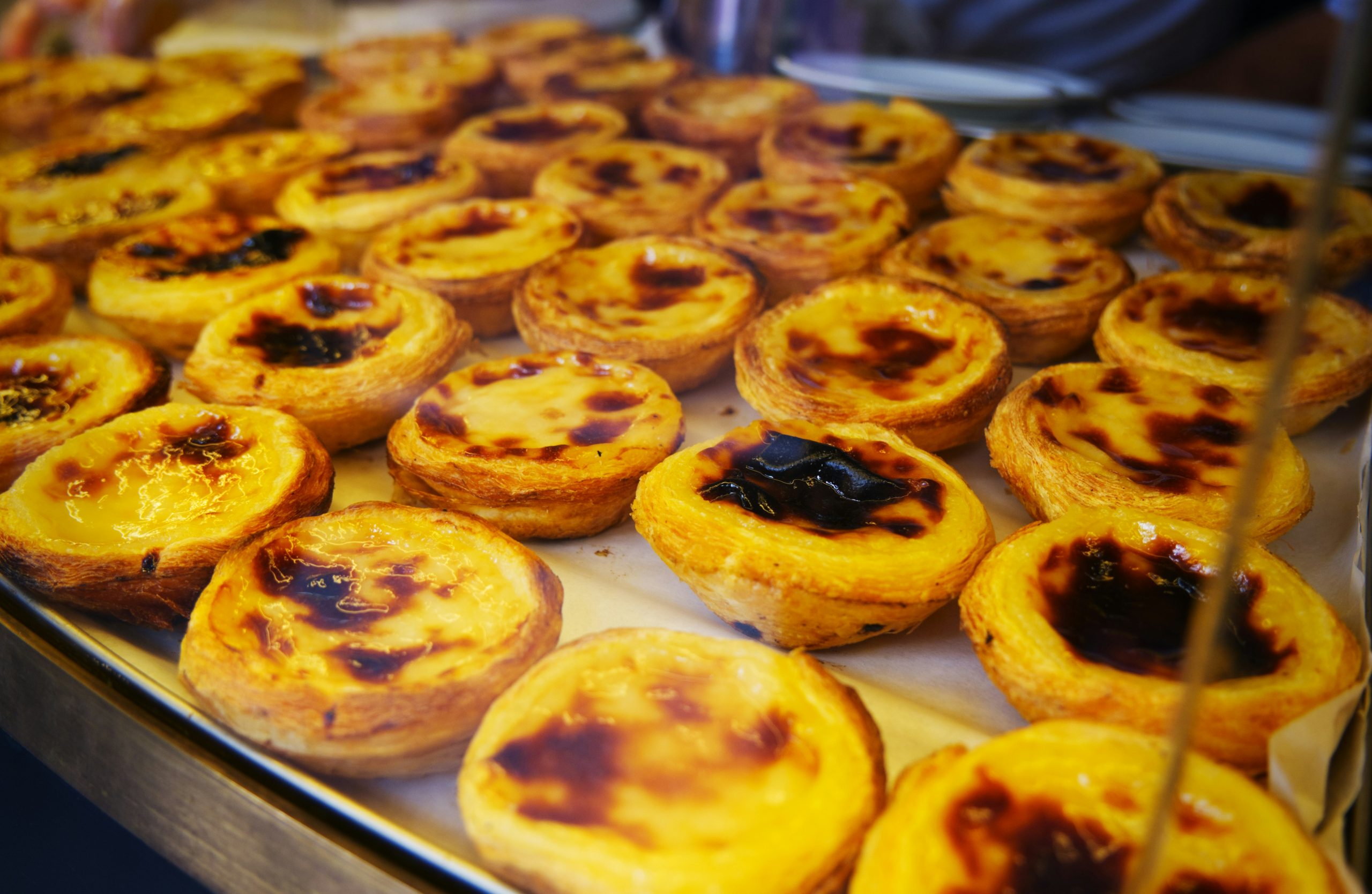
Brazilian cuisine is a vibrant tapestry woven from the diverse cultural influences that have shaped the country over centuries. It reflects the rich history of Brazil, where indigenous peoples, European colonizers, and African slaves have all contributed to a culinary landscape that is as varied as its geography. From the lush Amazon rainforest to the sun-kissed beaches of Rio de Janeiro, each region boasts its own unique flavors and cooking styles, making Brazilian cuisine a true celebration of diversity.
At the heart of this culinary journey lies a deep appreciation for fresh ingredients, bold flavors, and communal dining experiences that bring people together. Traditional Brazilian cuisine is not just about food; it is an expression of identity and culture. Meals are often shared among family and friends, emphasizing the importance of community and connection.
Whether it’s a festive gathering or a simple weeknight dinner, the act of sharing food is central to Brazilian life. This communal aspect is beautifully illustrated in the traditional churrasco, where various cuts of meat are grilled to perfection and served alongside an array of sides, creating a feast that embodies the spirit of togetherness. As we delve deeper into the intricacies of Brazilian cuisine, we will uncover the influences that have shaped it, the regional variations that make it unique, and the beloved dishes that have become staples in Brazilian households.
Key Takeaways
- Traditional Brazilian cuisine is a rich and diverse culinary tradition that reflects the country’s history and cultural influences.
- Indigenous and African cultures have had a significant impact on Brazilian cuisine, contributing unique flavors and cooking techniques.
- Brazilian flavors vary greatly across different regions, showcasing a wide range of ingredients and culinary styles.
- Staple ingredients such as rice, beans, and cassava play a crucial role in Brazilian cooking, forming the foundation of many dishes.
- Popular traditional Brazilian dishes like feijoada and moqueca offer a taste of the country’s unique and vibrant flavors.
The Influence of Indigenous and African Cultures on Brazilian Cuisine
The roots of Brazilian cuisine can be traced back to its indigenous peoples, who have inhabited the land for thousands of years. Their culinary practices laid the foundation for many traditional dishes, utilizing local ingredients such as cassava, corn, and various fruits. Indigenous cooking methods, such as roasting meats over open flames and using natural seasonings from the rainforest, have been passed down through generations.
These practices not only highlight the resourcefulness of indigenous communities but also showcase their deep connection to the land and its offerings. In addition to indigenous influences, African cultures have played a significant role in shaping Brazilian cuisine, particularly in regions like Bahia. The arrival of enslaved Africans brought with it a wealth of culinary knowledge and ingredients that transformed Brazilian cooking.
Dishes such as acarajé, a deep-fried ball made from black-eyed peas and filled with shrimp, exemplify this fusion of flavors. The use of spices like dendê oil and ingredients like okra reflects the rich culinary heritage of African cultures. This blend of indigenous and African influences has created a unique flavor profile that is distinctly Brazilian, showcasing the resilience and creativity of its people.
Exploring the Regional Diversity of Brazilian Flavors

Brazil is a vast country with diverse landscapes, climates, and cultures, resulting in a wide array of regional cuisines. Each region boasts its own specialties that reflect local ingredients and traditions. In the north, for example, Amazonian cuisine features exotic fruits like açaí and cupuaçu, as well as fish from the Amazon River.
Dishes such as tacacá—a soup made with jambu leaves and shrimp—highlight the unique flavors of this region. Moving southward, we encounter the rich culinary traditions of Minas Gerais, known for its hearty comfort food. Here, dishes like pão de queijo (cheese bread) and feijão tropeiro (a bean dish with sausage) are beloved staples that showcase the region’s agricultural bounty.
In contrast, the coastal regions are famous for their seafood dishes, with Bahia leading the way in spicy preparations that incorporate coconut milk and palm oil. This regional diversity not only enriches Brazilian cuisine but also offers a culinary journey that reflects the country’s cultural mosaic.
The Importance of Staple Ingredients in Brazilian Cooking
| Staple Ingredient | Usage | Examples |
|---|---|---|
| Rice | Main side dish | Arroz carreteiro, Arroz de festa |
| Beans | Protein source | Feijoada, Tutu de feijão |
| Cassava (Manioc) | Flour, side dish | Farofa, Pão de queijo |
| Farofa | Side dish, condiment | Farofa de banana, Farofa de ovos |
Staple ingredients play a crucial role in Brazilian cooking, serving as the backbone for many traditional dishes. Rice and beans are perhaps the most iconic combination in Brazilian cuisine, often served alongside grilled meats or stews. This simple yet satisfying pairing provides essential nutrients and sustains families across the country.
The versatility of rice and beans allows for endless variations, with each region adding its own twist to this beloved staple. Another essential ingredient in Brazilian cooking is cassava, also known as manioc or yuca. This root vegetable is used in various forms, from farinha (cassava flour) to tapioca.
It serves as a base for many dishes and is often used to thicken soups or create delicious snacks like pão de queijo. Additionally, tropical fruits such as mangoes, papayas, and guavas are abundant in Brazil and are frequently incorporated into both savory and sweet dishes. These staple ingredients not only provide flavor but also reflect Brazil’s agricultural richness and diversity.
Popular Traditional Brazilian Dishes and Their Unique Flavors
Brazilian cuisine is replete with iconic dishes that showcase its unique flavors and cultural influences. One such dish is feijoada, a hearty black bean stew typically made with various cuts of pork and beef. This dish is often considered Brazil’s national dish and is traditionally served with rice, collard greens, and orange slices.
The combination of flavors creates a comforting meal that is perfect for gatherings and celebrations. Another beloved dish is moqueca, a fragrant fish stew made with coconut milk, tomatoes, onions, and peppers. Originating from Bahia, moqueca highlights the coastal region’s abundance of fresh seafood while incorporating African-inspired flavors through the use of dendê oil.
Each bite offers a taste of Brazil’s rich cultural heritage and showcases the importance of fresh ingredients in traditional cooking. These dishes not only satisfy hunger but also tell stories of Brazil’s diverse culinary landscape.
Traditional Brazilian Cooking Techniques and Methods

Traditional Brazilian cooking techniques are deeply rooted in history and reflect the country’s diverse cultural influences. One prominent method is grilling or “churrasco,” which involves cooking various cuts of meat over an open flame or charcoal grill. This technique not only imparts a smoky flavor but also creates a communal dining experience where friends and family gather around to enjoy perfectly cooked meats served on skewers.
Another important technique is slow-cooking stews or “cozidos,” which allows flavors to meld together over time. This method is often used for dishes like feijoada or carne de panela (braised beef), where tough cuts of meat become tender and flavorful through hours of simmering. Additionally, frying plays a significant role in Brazilian cuisine, with snacks like coxinha (chicken croquettes) and pastéis (fried pastries) being popular street food options.
These traditional cooking methods not only enhance flavors but also foster a sense of community as meals are prepared and shared among loved ones.
The Role of Street Food in Brazilian Culinary Culture
Street food holds a special place in Brazilian culinary culture, offering an accessible way for people to experience traditional flavors on-the-go. From bustling markets to street corners, vendors serve up an array of delicious snacks that reflect regional specialties. One popular street food item is pastel—a deep-fried pastry filled with various ingredients such as cheese, meat, or vegetables.
These crispy treats are often enjoyed with a side of hot sauce or vinegar for added flavor. Another beloved street food is acarajé, which originated from African traditions brought to Brazil by enslaved people. This dish consists of black-eyed pea fritters filled with shrimp and served with spicy sauces.
Acarajé vendors can be found throughout Bahia, where locals and tourists alike flock to enjoy this flavorful snack. Street food not only provides an opportunity to savor authentic Brazilian flavors but also fosters a sense of community as people gather to share meals in vibrant outdoor settings.
Embracing the Sweet Side of Brazilian Cuisine: Traditional Desserts and Sweets
No exploration of Brazilian cuisine would be complete without indulging in its delightful desserts and sweets. Traditional Brazilian sweets often feature ingredients like coconut, chocolate, and fruits, creating a symphony of flavors that satisfy any sweet tooth. One iconic dessert is brigadeiro—a chocolate truffle made from condensed milk, cocoa powder, and butter rolled in chocolate sprinkles.
Brigadeiros are commonly served at birthday parties and celebrations, symbolizing joy and festivity. Another popular treat is quindim—a bright yellow coconut custard dessert that boasts a rich flavor profile thanks to its combination of coconut milk, sugar, and egg yolks. This dessert not only showcases Brazil’s love for coconut but also highlights the influence of Portuguese culinary traditions.
Additionally, fruits like guava are transformed into goiabada—a sweet guava paste often paired with cheese for a delightful contrast in flavors. These traditional desserts reflect Brazil’s culinary creativity while celebrating its diverse cultural heritage through sweet indulgence. In conclusion, traditional Brazilian cuisine is a vibrant reflection of the country’s rich history and cultural diversity.
From indigenous roots to African influences and regional specialties, each aspect contributes to a culinary landscape that is both unique and inviting. The importance of staple ingredients, beloved dishes, traditional cooking techniques, street food culture, and delightful desserts all come together to create an unforgettable dining experience that embodies the spirit of Brazil. As we continue to explore this dynamic cuisine, we gain a deeper appreciation for the flavors that define Brazil’s culinary identity—one delicious bite at a time.