
Brazilian churrasco has a rich and storied history that dates back to the early 19th century, deeply rooted in the traditions of the gauchos, the cowboys of the Pampas region. These skilled horsemen were known for their ability to manage vast herds of cattle, and they developed a unique method of cooking meat over open flames. The gauchos would often gather around a fire, skewering cuts of beef on long metal or wooden sticks, allowing the meat to cook slowly while absorbing the smoky flavors of the wood.
This communal cooking style not only provided sustenance but also fostered a sense of camaraderie among those who participated. As Brazil evolved, so did the practice of churrasco. The influx of immigrants from various countries brought new flavors and techniques, enriching the traditional methods.
By the mid-20th century, churrasco had transformed into a culinary phenomenon, with restaurants dedicated to this style of cooking emerging across Brazil. The concept of the rodizio, where waiters serve various cuts of meat directly to diners at their tables, became popularized during this time. Today, Brazilian churrasco is celebrated not just as a meal but as an experience that embodies the spirit of Brazilian culture, bringing people together to enjoy good food and great company.
Key Takeaways
- Brazilian churrasco has a rich history dating back to the 17th century, when Portuguese settlers introduced the grilling technique to Brazil.
- Traditional cuts of meat used in churrasco include picanha (top sirloin), alcatra (rump cover), and fraldinha (flank steak), all of which are seasoned with rock salt and grilled to perfection.
- The art of grilling in Brazilian churrasco involves using charcoal or wood to impart a smoky flavor to the meat, as well as rotating the skewers to ensure even cooking.
- Side dishes such as farofa (toasted cassava flour), vinaigrette (tomato and onion salsa), and pão de queijo (cheese bread) are essential accompaniments to churrasco, adding flavor and texture to the meal.
- Brazilian churrasco offers health benefits such as high protein content, minimal use of oil, and the inclusion of grilled vegetables, making it a nutritious dining option.
The Traditional Cuts of Meat Used in Churrasco
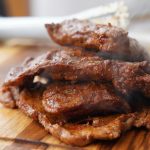
At the heart of any authentic Brazilian churrasco are the traditional cuts of meat that define this culinary art form. The most popular cuts include picanha, a flavorful cut from the top of the rump, known for its tenderness and rich taste. Often seasoned simply with coarse salt, picanha is grilled to perfection, allowing its natural flavors to shine through.
Another beloved cut is fraldinha, or flank steak, which is marbled with fat and offers a juicy bite that is hard to resist. These cuts are typically skewered and cooked over an open flame, enhancing their flavors with a smoky char. In addition to picanha and fraldinha, other cuts such as costela (beef ribs) and alcatra (top sirloin) are also staples in a traditional churrasco.
Each cut has its unique characteristics and flavor profiles, making them essential components of the overall experience. The variety of meats served allows diners to explore different tastes and textures, creating a feast that is both satisfying and memorable. At Pampa Gaucho Brazilian Steakhouse, we take pride in offering these traditional cuts, ensuring that every guest enjoys an authentic taste of Brazil right here in Lighthouse Point.
The Art of Grilling in Brazilian Churrasco

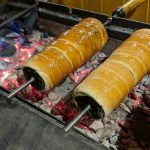
Grilling is not merely a cooking method in Brazilian churrasco; it is an art form that requires skill, patience, and an understanding of fire. The process begins with selecting high-quality cuts of meat, which are then seasoned with coarse salt or marinades that enhance their natural flavors. Once prepared, the meat is skewered and placed over an open flame or charcoal grill, where it cooks slowly, allowing the juices to seep in and create a tender texture.
The key to mastering the art of grilling lies in controlling the heat and timing. Different cuts require different cooking times, and a skilled churrasqueiro (grill master) knows how to achieve the perfect balance between searing the outside while keeping the inside juicy and flavorful. The use of wood or charcoal adds an additional layer of flavor, as the smoke infuses the meat with a distinct aroma that is characteristic of Brazilian barbecue.
At Pampa Gaucho Brazilian Steakhouse, our experienced grill masters are dedicated to perfecting this art, ensuring that every bite is a testament to our commitment to quality and tradition.
The Importance of Side Dishes in Churrasco
| Side Dish | Importance |
|---|---|
| Farofa | Provides a crunchy texture and complements the meat |
| Vinaigrette | Brings a refreshing and tangy flavor to balance the richness of the meat |
| Garlic Bread | Offers a savory and garlicky taste to enhance the overall meal |
| Grilled Vegetables | Adds a healthy and colorful element to the churrasco |
While the star of any churrasco is undoubtedly the grilled meat, side dishes play a crucial role in creating a well-rounded dining experience. Traditional accompaniments such as farofa (toasted cassava flour), vinaigrette salsa (a fresh tomato and onion salad), and pão de queijo (cheese bread) complement the rich flavors of the meat and add texture to the meal. Farofa, for instance, provides a crunchy contrast to the tender cuts of beef, while vinaigrette salsa adds a refreshing brightness that balances the richness of the meat.
In addition to these staples, rice and beans are often served alongside churrasco meals in Brazil, providing a hearty base that rounds out the plate. These side dishes not only enhance the overall flavor profile but also reflect Brazil’s diverse culinary heritage. At Pampa Gaucho Brazilian Steakhouse, we believe that every element of our menu should work harmoniously together, which is why we take great care in preparing our side dishes to ensure they elevate your dining experience.
The Health Benefits of Brazilian Churrasco
While indulging in a delicious meal like churrasco may seem like a guilty pleasure, there are several health benefits associated with this traditional Brazilian barbecue. First and foremost, many cuts of meat used in churrasco are rich in protein, which is essential for muscle growth and repair. Protein also plays a vital role in maintaining healthy skin, hair, and nails.
Additionally, many cuts are leaner than one might expect, particularly when trimmed properly before grilling. Moreover, grilling meat can be a healthier cooking method compared to frying or sautéing. The excess fat drips away during cooking, resulting in a lower fat content in the final dish.
Furthermore, when paired with fresh vegetables in side dishes like vinaigrette salsa or salads, diners can enjoy a balanced meal that incorporates essential vitamins and minerals. At Pampa Gaucho Brazilian Steakhouse, we strive to provide our guests with not only an unforgettable dining experience but also one that aligns with their health-conscious choices.
Churrasco in Brazilian Culture and Celebrations

Churrasco is more than just a meal; it is an integral part of Brazilian culture and celebrations. From family gatherings to festive occasions like birthdays and holidays, churrasco brings people together in a spirit of joy and camaraderie. In Brazil, it is common for families to host large barbecues where friends and relatives gather around the grill to enjoy delicious food while sharing stories and laughter.
During special events such as weddings or national holidays like Independence Day, churrasco takes center stage as a symbol of celebration and unity. The communal aspect of sharing food fosters connections among people from all walks of life, making it an essential part of Brazilian social culture. At Pampa Gaucho Brazilian Steakhouse, we embrace this tradition by creating an inviting atmosphere where guests can celebrate life’s special moments while enjoying authentic Brazilian cuisine.
Tips for Hosting a Churrasco Party
Hosting a churrasco party can be an exciting way to bring friends and family together for an unforgettable culinary experience. To ensure your event is successful, start by selecting high-quality cuts of meat that will impress your guests. Popular choices include picanha and fraldinha; however, consider offering a variety to cater to different tastes.
Additionally, marinating your meats ahead of time can enhance their flavors and tenderness. Next, set up your grilling area with proper equipment—whether it’s a charcoal grill or an open flame pit—and ensure you have enough space for guests to mingle comfortably while enjoying their food. Don’t forget about side dishes!
Prepare traditional accompaniments like farofa and vinaigrette salsa to complement your grilled meats. Finally, create a festive atmosphere with music and decorations that reflect Brazilian culture; this will elevate your gathering into a true celebration of food and friendship.
How to Enjoy Brazilian Churrasco at Home
If you’re eager to enjoy Brazilian churrasco at home but aren’t sure where to start, fear not! You can recreate this delightful experience by following some simple steps. Begin by sourcing quality cuts of meat from your local butcher or grocery store; look for options like picanha or flank steak for an authentic taste.
Season your meats generously with coarse salt or your favorite marinade before skewering them for grilling. When it comes time to cook, preheat your grill to medium-high heat and ensure you have enough charcoal or wood for an even flame. As you grill your meats, remember to monitor their cooking times closely; different cuts will require varying amounts of time on the grill.
While your meats are cooking, prepare traditional side dishes like farofa or vinaigrette salsa to serve alongside your meal. Finally, gather your friends or family around the table to share in this delicious feast—after all, churrasco is best enjoyed in good company! For those who prefer dining out or want to experience authentic Brazilian cuisine without the hassle of cooking at home, visit Pampa Gaucho Brazilian Steakhouse in Lighthouse Point for an unforgettable meal that captures the essence of this beloved tradition.