Brazilian cuisine is a vibrant tapestry woven from the diverse cultural influences that have shaped the country over centuries. With roots in indigenous traditions, Portuguese colonization, and the culinary practices of African slaves, Brazilian food is a reflection of its rich history and multicultural society. The cuisine varies significantly from region to region, showcasing an array of flavors, ingredients, and cooking techniques that highlight the country’s agricultural bounty.
From the tropical fruits of the Amazon to the hearty stews of the southern states, Brazilian cuisine offers a delightful exploration of tastes that can transport diners to the heart of Brazil. At the core of Brazilian culinary culture is the communal aspect of dining. Meals are often enjoyed with family and friends, emphasizing togetherness and celebration.
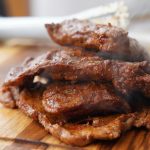
This social element is particularly evident in the popular churrascarias, or Brazilian steakhouses, where guests gather to indulge in an endless parade of grilled meats served on skewers. The experience is not just about the food; it’s about sharing moments and creating memories around the table. As you delve into Brazilian cuisine, you’ll discover that each dish tells a story, reflecting the country’s history, geography, and the warmth of its people.
Key Takeaways
- Brazilian cuisine is a rich and diverse mix of indigenous, African, and European influences, resulting in a wide variety of flavors and dishes.
- At a Brazilian buffet lunch, expect to find a wide array of dishes including grilled meats, rice and beans, salads, and traditional Brazilian side dishes.
- Popular dishes to look out for at a Brazilian buffet lunch include feijoada (a black bean stew with pork), picanha (grilled beef), and farofa (toasted cassava flour).
- “Rodizio” dining is a Brazilian style of all-you-can-eat service where servers bring skewers of meat to your table and carve them directly onto your plate.
- Traditional Brazilian beverages to accompany your meal include caipirinha (a cocktail made with cachaça, sugar, and lime) and guaraná (a carbonated soft drink made from the guaraná fruit).
- When navigating a Brazilian buffet lunch, start with the salad bar, then move on to the hot dishes and grilled meats, and save room for dessert.
- Etiquette and customs to keep in mind at a Brazilian buffet lunch include using the provided tongs for serving yourself, and not wasting food as it is considered disrespectful.
- The best places to find Brazilian buffet lunches are churrascarias (Brazilian steakhouses) and traditional Brazilian restaurants in major cities like São Paulo, Rio de Janeiro, and Salvador.
What to expect at a Brazilian buffet lunch
When you step into a Brazilian buffet lunch, prepare yourself for a feast that tantalizes the senses. The atmosphere is typically lively and inviting, with colorful decorations that evoke the spirit of Brazil. As you enter, you’ll be greeted by an array of dishes that showcase the best of Brazilian culinary traditions.
The buffet is often laid out in a way that encourages exploration, allowing diners to sample a variety of flavors and textures. From savory meats to fresh salads and delectable sides, there’s something for everyone. One of the most exciting aspects of a Brazilian buffet lunch is the sheer variety of options available.
You can expect to find traditional staples such as feijoada, a hearty black bean stew often served with rice and collard greens, alongside lighter fare like fresh ceviche or tropical fruit salads. The buffet may also feature regional specialties that highlight local ingredients, giving you a taste of Brazil’s diverse culinary landscape. As you navigate through the offerings, take your time to savor each dish and appreciate the unique flavors that make Brazilian cuisine so special.
Popular dishes to look out for
As you explore a Brazilian buffet lunch, there are several standout dishes that you won’t want to miss. One of the most iconic is feijoada, a rich and flavorful black bean stew typically made with various cuts of pork and beef. This dish is often considered Brazil’s national dish and is traditionally served with rice, orange slices, and farofa—a toasted cassava flour mixture that adds a delightful crunch.

The combination of flavors in feijoada is comforting and satisfying, making it a must-try for anyone new to Brazilian cuisine. Another popular dish to look out for is pão de queijo, which are small cheese bread balls made from tapioca flour and cheese. These delightful bites are crispy on the outside and chewy on the inside, making them an irresistible appetizer or snack.
Additionally, you may encounter moqueca, a fragrant fish stew made with coconut milk, tomatoes, onions, and peppers. This dish hails from the coastal regions of Brazil and showcases the country’s abundant seafood offerings. Each of these dishes reflects the heart and soul of Brazilian cooking, inviting diners to indulge in flavors that are both familiar and exotic.
The concept of “Rodizio” dining
| Aspect | Details |
|---|---|
| Origin | Brazilian tradition |
| Meaning | “All you can eat” style of dining |
| Service | Waiters bring skewers of meat to the table |
| Selection | Various cuts of beef, pork, chicken, and sausage |
| Style | Continuous table-side service until guests are satisfied |
One of the most exciting aspects of dining at a Brazilian steakhouse is the concept of “Rodizio.” This unique dining experience allows guests to enjoy an endless selection of grilled meats served directly at their table by skilled passadores (meat servers). The term “Rodizio” translates to “rotation,” which perfectly encapsulates how this style of dining works. As diners sit down, they are presented with a small card—one side green and the other red—that signals whether they would like more meat or if they need a break.
The Rodizio experience is not just about quantity; it’s also about quality. The meats are typically marinated with traditional Brazilian spices and cooked over an open flame, resulting in tender cuts bursting with flavor. Guests can expect to enjoy a variety of meats, including beef, pork, chicken, and lamb, each prepared in different styles that highlight Brazil’s grilling techniques.
As servers come around with skewers of meat, diners can sample as much as they desire until they are completely satisfied. This interactive dining experience fosters a sense of community and celebration, making it perfect for gatherings with family and friends.
Traditional Brazilian beverages to accompany your meal
No Brazilian meal is complete without a selection of traditional beverages that enhance the dining experience. One popular choice is caipirinha, Brazil’s national cocktail made from cachaça (a sugarcane spirit), lime, and sugar. This refreshing drink perfectly complements the rich flavors of grilled meats and adds a zesty kick to your meal.
The balance between sweetness and acidity makes caipirinha an ideal pairing for many dishes found at a Brazilian buffet. In addition to cocktails, you may also want to try guaraná, a popular soft drink made from the guaraná fruit native to the Amazon rainforest. Its unique flavor is both sweet and slightly tangy, making it a refreshing choice alongside your meal.
For those who prefer non-alcoholic options, coconut water is another excellent choice that offers hydration while providing a taste of tropical Brazil. These beverages not only quench your thirst but also enhance your overall dining experience by introducing you to authentic flavors that are integral to Brazilian culture.
Tips for navigating a Brazilian buffet lunch

Navigating a Brazilian buffet lunch can be an exciting adventure filled with culinary discoveries. To make the most of your experience, it’s helpful to keep a few tips in mind. First and foremost, take your time!
With so many delicious options available, it’s easy to feel overwhelmed. Start by sampling small portions of various dishes to get a sense of what you enjoy most. This way, you can explore different flavors without overloading your plate.
Another tip is to pace yourself when it comes to meat served in Rodizio style. While it can be tempting to indulge in every type of meat offered by passadores, remember that you can always ask for specific cuts or request more of your favorites later on. Don’t hesitate to communicate your preferences; servers are usually more than happy to accommodate your requests.
Lastly, don’t forget to save room for dessert! Many Brazilian buffets offer sweet treats like brigadeiros (chocolate truffles) or flan that are worth trying after your savory meal.
Etiquette and customs to keep in mind
When dining at a Brazilian buffet lunch or steakhouse, it’s essential to be aware of certain etiquette and customs that enhance the overall experience. One important aspect is the communal nature of dining in Brazil; sharing food is seen as an expression of hospitality and friendship. As such, it’s common for diners to engage in conversation and laughter while enjoying their meal together.
Embrace this spirit by being open to interaction with fellow diners and staff alike. Additionally, when it comes to Rodizio dining, it’s customary to keep your green card facing up when you want more meat served at your table. When you’re ready for a break or have had enough, simply flip it over to red.
This simple gesture helps servers understand your preferences without interrupting your meal too frequently. Lastly, tipping is appreciated in Brazil; if you enjoyed your meal and service, consider leaving a gratuity as a sign of appreciation for the hard work put into creating your dining experience.
Where to find the best Brazilian buffet lunches
If you’re eager to indulge in an authentic Brazilian buffet lunch experience, look no further than local churrascarias or Brazilian steakhouses in your area. Many establishments pride themselves on offering an extensive selection of traditional dishes that showcase Brazil’s culinary heritage. Research online reviews or ask locals for recommendations on where to find the best options nearby.
In addition to dedicated steakhouses, some restaurants may offer special buffet lunch days featuring Brazilian cuisine as part of their menu rotation. Keep an eye out for these events as they can provide an excellent opportunity to sample various dishes without committing to a full dinner experience. Whether you’re celebrating a special occasion or simply looking for a delicious meal with friends or family, exploring local Brazilian buffets will undoubtedly lead you on a flavorful journey through Brazil’s rich culinary landscape.
If you’re looking for a delicious Brazilian buffet lunch experience, you should definitely check out Pampa Gaucho in Birmingham. They offer a wide variety of traditional Brazilian dishes that will satisfy your cravings. In addition to their buffet lunch, they also offer events and catering services for special occasions. You can learn more about their offerings by visiting their website here.
FAQs
What is a Brazilian buffet lunch?
A Brazilian buffet lunch is a type of meal service where a variety of Brazilian dishes are laid out for diners to serve themselves. It typically includes a wide range of hot and cold dishes, salads, meats, and desserts.
What are some typical dishes served at a Brazilian buffet lunch?
Typical dishes at a Brazilian buffet lunch may include feijoada (a black bean stew with pork), churrasco (grilled meats), pão de queijo (cheese bread), farofa (toasted cassava flour), and various types of salads and tropical fruits.
Is there a specific way to eat at a Brazilian buffet lunch?
At a Brazilian buffet lunch, diners typically serve themselves from the various dishes laid out on the buffet. It is common to take small portions of several different dishes to sample a variety of flavors.
What are some popular beverages served at a Brazilian buffet lunch?
Popular beverages at a Brazilian buffet lunch may include caipirinha (a cocktail made with cachaça, sugar, and lime), guaraná (a Brazilian soft drink), and various fruit juices such as mango, passion fruit, and acerola.
Are there any specific etiquettes to follow at a Brazilian buffet lunch?
It is considered polite to take small portions of each dish to ensure that everyone has a chance to try everything. Additionally, it is customary to go back for seconds if desired, but not to overload the plate on the first trip.