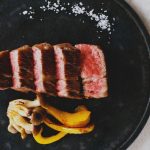

Brazilian cuisine is a vibrant tapestry woven from the diverse cultural influences that have shaped the country over centuries. It reflects the rich history of Brazil, where indigenous peoples, Portuguese colonizers, and African slaves have all contributed to a culinary landscape that is as varied as its geography. From the lush Amazon rainforest to the sun-kissed beaches of Rio de Janeiro, each region boasts its own unique flavors and dishes, making Brazilian food a delightful exploration of taste and tradition.
The cuisine is characterized by its bold flavors, colorful presentations, and an emphasis on fresh, locally sourced ingredients. At the heart of Brazilian cuisine lies a deep appreciation for communal dining and celebration. Meals are often enjoyed with family and friends, fostering a sense of togetherness that is integral to Brazilian culture.
Whether it’s a casual gathering or a festive occasion, food plays a central role in social interactions. This emphasis on community is reflected in the way meals are prepared and served, often featuring an array of dishes that encourage sharing and conversation. As we delve deeper into the intricacies of Brazilian cuisine, we will uncover the influences that have shaped it, the significance of lunch in Brazilian culture, and how to recreate these delicious experiences at home.
Key Takeaways
- Brazilian cuisine is a rich and diverse culinary tradition that reflects the country’s multicultural heritage.
- Portuguese, African, and Indigenous cultures have all contributed to the unique flavors and ingredients found in Brazilian food.
- Lunch is the most important meal of the day in Brazilian culture, often enjoyed with family and friends.
- Traditional Brazilian lunch specials include feijoada, moqueca, and churrasco, showcasing a variety of meats, seafood, and vegetables.
- Popular Brazilian ingredients and flavors include rice, beans, cassava, coconut, and tropical fruits, creating a vibrant and flavorful cuisine.
The Influence of Portuguese, African, and Indigenous Cultures on Brazilian Food
The culinary landscape of Brazil is a melting pot of flavors and techniques, heavily influenced by three primary cultures: Portuguese, African, and Indigenous. The arrival of Portuguese colonizers in the 16th century marked the beginning of a significant transformation in Brazilian cuisine. They introduced ingredients such as sugarcane, rice, and various spices, which became staples in many traditional dishes.
The Portuguese also brought with them cooking techniques that emphasized grilling and roasting, which are now hallmarks of Brazilian barbecue or churrasco. African influence is equally profound, particularly in the northeastern region of Brazil, where enslaved Africans contributed their culinary traditions and ingredients. Dishes like moqueca (a fish stew) and acarajé (a black-eyed pea fritter) showcase the use of palm oil, okra, and spices that are deeply rooted in African cooking.
The fusion of these flavors with Portuguese techniques created a unique culinary identity that is distinctly Brazilian. Additionally, Indigenous peoples have contributed native ingredients such as cassava, corn, and various fruits, enriching the cuisine further. This blend of cultures has resulted in a diverse array of dishes that reflect Brazil’s history and its people.
The Importance of Lunch in Brazilian Culture
In Brazil, lunch is not just a meal; it is a cherished ritual that holds significant cultural importance. Typically enjoyed between noon and 2 PM, lunch is often the largest meal of the day for many Brazilians. It serves as a time for families and friends to gather, share stories, and enjoy each other’s company over a hearty meal.
This communal aspect of lunch reflects the Brazilian value placed on relationships and social connections. The structure of a traditional Brazilian lunch often includes multiple courses, starting with appetizers such as pão de queijo (cheese bread) or salada (salad), followed by a main course featuring rice, beans, and a protein such as grilled meat or fish. Desserts are also an essential part of the meal, with options like brigadeiro (chocolate truffle) or flan rounding out the experience.
The leisurely pace at which lunch is enjoyed allows for conversation and connection, making it an integral part of daily life in Brazil. This cultural significance highlights how food transcends mere sustenance; it becomes a means of fostering community and celebrating life.
Traditional Brazilian Lunch Specials
| Meal | Main Dish | Side Dish | Drink |
|---|---|---|---|
| Feijoada | Black bean stew with pork | White rice, collard greens, and orange slices | Caipirinha |
| Moqueca | Fish stew with coconut milk | Farofa and pirão | Guarana |
| Churrasco | Grilled meat skewers | Pão de queijo and vinaigrette | Chimarrão |
When it comes to traditional Brazilian lunch specials, there is an abundance of delicious options to choose from. One of the most iconic dishes is feijoada, a hearty black bean stew typically made with various cuts of pork and beef. This dish is often served with rice, collard greens, orange slices, and farofa (toasted cassava flour), creating a symphony of flavors and textures that exemplify Brazilian cuisine.
Feijoada is not just a meal; it is often enjoyed during gatherings with family and friends, making it a staple for special occasions. Another popular lunch special is moqueca, a fragrant fish stew cooked with coconut milk, tomatoes, onions, and peppers. Originating from the coastal regions of Brazil, moqueca showcases the country’s rich seafood offerings and highlights the influence of African cooking techniques.
Served with rice or farofa, this dish embodies the essence of Brazilian flavors while providing a taste of the ocean’s bounty. Other traditional lunch specials include arroz e feijão (rice and beans), which is a daily staple for many Brazilians, as well as various grilled meats served at churrascarias (steakhouses). Each dish tells a story of Brazil’s diverse culinary heritage and invites diners to experience the warmth and hospitality that defines Brazilian culture.
Popular Brazilian Ingredients and Flavors
Brazilian cuisine is characterized by its use of fresh ingredients that reflect the country’s agricultural bounty. Staples such as rice and beans form the foundation of many meals, providing essential nutrients while serving as a canvas for various flavors. Cassava, known as mandioca or aipim in Brazil, is another key ingredient used in various forms—whether boiled, fried, or ground into flour—adding texture and flavor to dishes.
Fruits also play a significant role in Brazilian cooking, with tropical varieties like mangoes, papayas, guavas, and acai berries frequently featured in both savory dishes and desserts. The use of spices such as cumin, coriander, and paprika adds depth to many recipes while highlighting Brazil’s diverse cultural influences. Additionally, herbs like cilantro and parsley are commonly used to enhance flavors and provide freshness to dishes.
The combination of these ingredients creates a vibrant palette that reflects Brazil’s rich biodiversity and culinary creativity.
How to Prepare a Brazilian Lunch Special at Home
Preparing a traditional Brazilian lunch special at home can be an exciting culinary adventure that brings the flavors of Brazil to your kitchen. One popular dish to try is feijoada. To make this hearty stew, start by soaking black beans overnight to ensure they cook evenly.
In a large pot, sauté onions and garlic until fragrant before adding various cuts of pork—such as sausage, ribs, and bacon—along with the soaked beans. Season with bay leaves and black pepper before covering with water and simmering until everything is tender. Serve your feijoada with fluffy white rice, sautéed collard greens seasoned with garlic, orange slices for brightness, and farofa for added crunch.
This dish not only showcases the essence of Brazilian cuisine but also allows you to share a piece of culture with family and friends during mealtime. For those looking for something lighter yet equally flavorful, consider making moqueca by marinating fish fillets in lime juice before cooking them in coconut milk with tomatoes and bell peppers. Serve this aromatic stew over rice for a delightful taste of Brazil.
Where to Find Authentic Brazilian Lunch Specials
For those who wish to experience authentic Brazilian lunch specials without cooking at home, there are numerous restaurants across the country that specialize in traditional Brazilian cuisine. Many cities boast churrascarias where diners can indulge in all-you-can-eat grilled meats served tableside by skilled gauchos. These establishments often offer lunch specials that feature classic dishes like feijoada or moqueca alongside an array of sides.
In addition to churrascarias, local Brazilian restaurants often serve regional specialties that highlight the diversity of Brazilian cuisine. Look for eateries that emphasize fresh ingredients and traditional cooking methods to ensure an authentic experience. Many restaurants also offer takeout options for those who prefer to enjoy their meals at home while still savoring the flavors of Brazil.
The Health Benefits of Brazilian Cuisine
Brazilian cuisine offers numerous health benefits due to its emphasis on fresh ingredients and balanced meals. Many traditional dishes incorporate whole foods such as legumes, vegetables, lean proteins, and healthy fats from sources like fish and coconut milk. For instance, beans are an excellent source of protein and fiber while providing essential vitamins and minerals that contribute to overall health.
Additionally, the use of fresh herbs and spices not only enhances flavor but also adds nutritional value to meals. Ingredients like garlic have been shown to have anti-inflammatory properties while promoting heart health. The inclusion of fruits in desserts provides natural sweetness along with vitamins that support immune function.
By embracing the principles of Brazilian cuisine—such as communal dining and using fresh ingredients—individuals can enjoy delicious meals that nourish both body and soul while celebrating the rich cultural heritage behind each dish.
If you’re interested in experiencing a Brazilian lunch special, you should definitely check out the events page on Pampa Gaúcho Brazilian Steakhouse’s website. They offer a variety of dining experiences, including lunch specials that showcase the best of Brazilian cuisine. You can find more information about their events and make bookings. And if you want to see what delicious dishes are on offer, take a look at their menu.
FAQs
What is a Brazilian lunch special?
A Brazilian lunch special typically consists of a variety of dishes such as rice, beans, meat, salad, and sometimes a side of farofa (toasted cassava flour) or fried plantains.
What are some common meats included in a Brazilian lunch special?
Common meats included in a Brazilian lunch special are grilled or roasted meats such as beef, chicken, pork, and sausage.
Is the Brazilian lunch special typically served buffet-style or as a set meal?
The Brazilian lunch special can be served both buffet-style, where diners can choose their own combination of dishes, or as a set meal with predetermined portions of each dish.
What are some popular side dishes that accompany a Brazilian lunch special?
Popular side dishes that accompany a Brazilian lunch special include farofa (toasted cassava flour), fried plantains, and vinaigrette (a type of Brazilian salsa).
Are there any vegetarian or vegan options available in a Brazilian lunch special?
Yes, there are vegetarian and vegan options available in a Brazilian lunch special, such as rice, beans, salad, and sometimes grilled vegetables. Some restaurants may also offer meat substitutes like tofu or seitan.