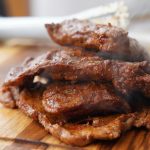

Brazilian cuisine is a vibrant tapestry woven from the diverse cultures and traditions that have shaped the country over centuries. At the heart of this culinary landscape lies a deep appreciation for meat, particularly the rich and flavorful cuts that are emblematic of Brazil’s agricultural heritage. Traditional Brazilian meats are not just food; they are a celebration of life, family, and community.
From the sizzling churrasco served at family gatherings to the tender cuts enjoyed at festive occasions, these meats embody the spirit of Brazil. The allure of Brazilian meats is undeniable, drawing food enthusiasts from around the globe to experience their unique flavors and textures. The country’s vast landscapes provide an abundance of livestock, allowing for a variety of meats that are integral to its culinary identity.
Whether it’s the juicy picanha, the succulent fraldinha, or the tender filet mignon, each cut tells a story of tradition and craftsmanship. As we delve deeper into the world of Brazilian meats, we will uncover their historical significance, cooking techniques, and the cultural practices that elevate them to an art form.
Key Takeaways
- Traditional Brazilian meats are a key component of the country’s rich culinary heritage, with a focus on beef, pork, and chicken.
- Brazilian meat dishes have deep cultural significance, often tied to celebrations, family gatherings, and special occasions.
- Different cuts of meat are used in Brazilian cuisine, with popular choices including picanha (rump cap), fraldinha (flank steak), and costela (ribs).
- Traditional Brazilian meat cooking techniques include churrasco (barbecue), slow roasting, and stewing, with popular recipes like feijoada and churrasco de gato.
- Churrasco, or Brazilian barbecue, plays a central role in the country’s meat culture, often involving a variety of meats cooked on skewers over an open flame.
The History and Cultural Significance of Brazilian Meat Dishes
Indigenous Roots
The roots of this culinary tradition can be traced back to the indigenous peoples who inhabited Brazil long before European colonization. These early inhabitants relied on hunting and gathering, utilizing local game and fish as their primary sources of sustenance.
Fusion of Flavors
With the arrival of Portuguese colonizers in the 16th century, new cooking methods and ingredients were introduced, leading to a fusion of flavors that would define Brazilian cuisine. As Brazil evolved into a melting pot of cultures, so too did its meat dishes. The influence of African slaves brought to work on plantations contributed significantly to the development of traditional cooking techniques, such as slow-roasting meats over open flames.
A Cultural Staple
This method, known as churrasco, became a staple in Brazilian households and is now synonymous with the country’s culinary identity. The cultural significance of these meat dishes extends beyond mere sustenance; they are often central to social gatherings, celebrations, and rituals that bring people together.
Exploring Different Cuts of Meat in Brazilian Cuisine
Brazilian cuisine boasts an impressive array of meat cuts, each with its own unique flavor profile and preparation method. Among the most popular is picanha, a cut from the top of the sirloin that is known for its tenderness and rich flavor. Often seasoned simply with coarse salt and grilled to perfection, picanha is a must-try for anyone seeking an authentic Brazilian experience.
Its popularity has made it a staple at churrascarias across the country. Another beloved cut is fraldinha, or flank steak, which is known for its robust flavor and versatility. This cut is often marinated in a mixture of garlic, lime juice, and herbs before being grilled or roasted.
The result is a juicy and flavorful dish that pairs beautifully with traditional sides like rice and beans. Additionally, cuts like costela (beef ribs) and maminha (tri-tip) showcase the diversity of Brazilian meats, each offering a distinct taste that reflects the country’s culinary heritage.
Traditional Brazilian Meat Cooking Techniques and Recipes
| Technique/Recipe | Description |
|---|---|
| Churrasco | A traditional Brazilian barbecue technique using various cuts of meat, typically seasoned with rock salt and grilled over charcoal. |
| Feijoada | A hearty stew made with black beans and a variety of pork and beef cuts, often served with rice, collard greens, and orange slices. |
| Picanha | A popular cut of beef in Brazil, known for its tender texture and rich flavor, often seasoned with coarse salt and grilled to perfection. |
| Moqueca | A flavorful fish stew made with coconut milk, tomatoes, onions, and peppers, often served with rice and farofa. |
The preparation of Brazilian meats is an art form that has been perfected over generations. One of the most iconic cooking techniques is the use of skewers for grilling, which allows for even cooking and enhances the natural flavors of the meat. This method is often employed in churrasco, where various cuts are seasoned simply with salt and cooked over an open flame or charcoal grill.
The result is a smoky, charred exterior that locks in juices and creates a mouthwatering experience. In addition to grilling, Brazilian cuisine also embraces slow-cooking methods that allow flavors to meld and develop over time. Dishes like feijoada—a hearty black bean stew with various cuts of pork and beef—are perfect examples of this technique.
Traditionally served on Wednesdays and Saturdays, feijoada is a communal dish that brings families together to enjoy a hearty meal steeped in history. Recipes for traditional Brazilian meats often emphasize simplicity and quality ingredients, allowing the natural flavors to shine through.
The Role of Churrasco in Brazilian Meat Culture
Churrasco is more than just a cooking method; it is a cultural phenomenon that embodies the essence of Brazilian hospitality and community spirit. Originating from the gauchos of southern Brazil, churrasco has become synonymous with gatherings where friends and family come together to enjoy grilled meats in a festive atmosphere. The experience often involves not only delicious food but also lively conversation, music, and camaraderie.
At a traditional churrasco, diners can expect an array of meats served on skewers by skilled passadores who expertly carve slices directly onto their plates. This interactive dining experience allows guests to sample various cuts while enjoying side dishes like farofa (toasted cassava flour), vinaigrette salsa, and pão de queijo (cheese bread). The communal aspect of churrasco fosters connections among diners, making it an integral part of Brazilian culture that transcends mere sustenance.
Regional Variations in Brazilian Meat Dishes
Brazil’s vast geography contributes to regional variations in its meat dishes, each reflecting local ingredients and culinary traditions. In the southern states, particularly Rio Grande do Sul, churrasco reigns supreme, with gauchos showcasing their grilling skills at family gatherings and festivals. Here, picanha takes center stage alongside traditional accompaniments like chimichurri sauce—a vibrant blend of herbs, garlic, vinegar, and oil.
In contrast, northeastern Brazil offers a different perspective on meat dishes with its emphasis on spices and bold flavors. Dishes like carne de sol (sun-dried beef) are popular in this region, often served with sides like macaxeira (cassava) or rice. The use of spices such as cumin and coriander adds depth to these dishes, showcasing the diverse influences that shape Brazilian cuisine.
Pairing Brazilian Meats with Traditional Side Dishes and Condiments
The enjoyment of Brazilian meats is often enhanced by carefully selected side dishes and condiments that complement their rich flavors. Rice and beans are staples in Brazilian cuisine, providing a hearty base that balances the richness of grilled meats. The combination of black beans with rice creates a nutritious dish known as “arroz e feijão,” which is served alongside many traditional meals.
Condiments play a crucial role in elevating the dining experience as well. Chimichurri sauce is a popular choice for drizzling over grilled meats, adding a fresh burst of flavor with its herbaceous notes. Additionally, farofa—a toasted cassava flour mixture—adds texture and nuttiness when sprinkled over meat dishes.
These sides and condiments not only enhance the flavors but also reflect Brazil’s culinary diversity.
Experiencing Brazilian Meat Culture: Restaurants, Markets, and Festivals
To truly immerse oneself in Brazilian meat culture, one must explore the vibrant landscape of restaurants, markets, and festivals dedicated to this culinary tradition. Churrascarias offer an authentic dining experience where guests can indulge in an array of grilled meats served continuously until they signal they are satisfied. These establishments often feature an extensive salad bar with traditional sides that complement the main event.
Markets also play a vital role in experiencing Brazilian meat culture. Local butcher shops offer high-quality cuts sourced from nearby farms, allowing home cooks to recreate traditional dishes in their own kitchens. Additionally, food festivals celebrating Brazilian cuisine provide opportunities to sample various meat dishes while enjoying live music and cultural performances.
In conclusion, traditional Brazilian meats are not just about sustenance; they represent a rich cultural heritage that brings people together through shared experiences. From the history behind these dishes to the techniques used in their preparation, every aspect contributes to a vibrant culinary landscape that continues to evolve while honoring its roots. Whether enjoyed at home or in bustling restaurants, Brazilian meats invite everyone to partake in a celebration of flavor, community, and tradition.
If you’re interested in learning more about traditional Brazilian meats, you should check out the events page on the Pampa Brazilian Steakhouse website here. This restaurant is known for its authentic Brazilian churrasco experience, where a variety of meats are cooked on skewers and carved tableside for guests. You can also view photos of their delicious dishes on their test gallery here. Additionally, they have a new outdoor area that provides a unique dining experience, as mentioned in this article here.
FAQs
What are traditional Brazilian meats?
Traditional Brazilian meats include a variety of cuts such as picanha (top sirloin cap), fraldinha (flank steak), costela (beef ribs), and linguiça (sausage), which are commonly used in churrasco (Brazilian barbecue).
How are traditional Brazilian meats prepared?
Traditional Brazilian meats are typically prepared using the churrasco method, which involves grilling the meats on skewers over an open flame. The meats are often seasoned with rock salt and may be accompanied by chimichurri sauce.
What is the significance of traditional Brazilian meats in Brazilian cuisine?
Traditional Brazilian meats, particularly churrasco, hold a significant place in Brazilian cuisine and culture. Churrasco is a popular social gathering and a way for families and friends to come together to enjoy a meal.
What are some popular side dishes served with traditional Brazilian meats?
Popular side dishes served with traditional Brazilian meats include farofa (toasted cassava flour), pão de queijo (cheese bread), rice, beans, and vinaigrette (a type of salsa).
Are traditional Brazilian meats readily available outside of Brazil?
Traditional Brazilian meats and churrasco-style restaurants can be found in various countries around the world, particularly in areas with a significant Brazilian population or a strong interest in international cuisine.