Here’s a list of blog post titles optimized for search engines to drive traffic to your Brazilian steakhouse in Lighthouse Point / Deerfield Beach:
High-Intent Local Keywords (Transactional/Commercial Focus):
- Best Brazilian Steakhouse Near Me: Pampa Gaucho in Deerfield Beach Offers an Unforgettable Experience
- Churrascaria Lighthouse Point: Discover Authentic Rodizio at Pampa Gaucho Brazilian Steakhouse
- Top-Rated Steakhouse Deerfield Beach: Why Pampa Gaucho is Your Go-To for Brazilian Cuisine
- Lighthouse Point Restaurants with Private Dining: Host Your Next Event at Pampa Gaucho Brazilian Steakhouse
- Book Your Table: Pampa Gaucho Brazilian Steakhouse – The Premier Dining Destination in Deerfield Beach
Food/Experience-Based Search Terms (Informational/Commercial Focus):
- The Pampa Gaucho Difference: What Makes Our Brazilian Steakhouse Stand Out in South Florida
- Beyond the Meat: Exploring the Gourmet Salad Bar at Pampa Gaucho Brazilian Steakhouse
- Understanding Rodizio: Your Guide to the Pampa Gaucho Brazilian Steakhouse Dining Experience
- Pairing Perfection: Wine and Cocktails to Complement Your Meal at Pampa Gaucho Brazilian Steakhouse
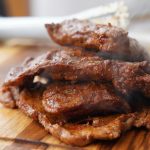
- From Picanha to Fraldinha: A Guide to the Signature Cuts at Pampa Gaucho Brazilian Steakhouse
Occasion-Based Searches (Commercial/Transactional Focus):
- Celebrating Milestones: The Ideal Venue for Birthdays and Anniversaries at Pampa Gaucho Brazilian Steakhouse
- Corporate Gatherings Made Memorable: Business Dinners at Pampa Gaucho Brazilian Steakhouse in Lighthouse Point
- Date Night Done Right: An Intimate Evening at Pampa Gaucho Brazilian Steakhouse Deerfield Beach
- Holiday Feasting: Enjoy Special Occasions with Family and Friends at Pampa Gaucho Brazilian Steakhouse
- Gift the Taste of Brazil: Pampa Gaucho Brazilian Steakhouse Gift Cards for Any Occasion
Spice up Your Meals with Chimichurri Sauce
Chimichurri is a versatile, uncooked sauce originating from Argentina, though it enjoys widespread popularity and variations across South America, particularly in Uruguay and, notably, as a staple accompanying grilled meats in Brazilian churrascarias such as Pampa Gaucho Brazilian Steakhouse. It is fundamentally an oil-based emulsion, characterized by its vibrant green color derived from fresh herbs, primarily parsley and oregano, combined with garlic, red wine vinegar, olive oil, and sometimes red pepper flakes. This condiment serves not only as a flavor enhancer but also, in its traditional application, as a marinade for grilling, imparting a distinctive tang and freshness that cuts through the richness of grilled meats. The sauce’s prevalence in the culinary traditions of the Southern Cone nations underscores its functional role in their gastronomic landscape.
Historical Context and Etymology
The precise origin of the term “chimichurri” and the sauce itself remains subjects of debate, with several theories posited. One widely circulated, albeit likely apocryphal, anecdote attributes its name to an Englishman named “Jimmy Curry” or “James C. Hurray,” who is said to have requested a sauce for his meat, leading to a phonetic approximation of his name in Spanish. Another theory suggests a Basque derivation, with “tximi” potentially referring to “a little of this, a little of that,” reflecting the sauce’s compositional flexibility. Linguistic evidence, however, often points to a more indigenous development within the Río de la Plata region. Regardless of its exact etymological roots, the sauce’s components reflect the availability of ingredients introduced by European immigrants, combining Old World culinary methods with New World produce.
Historically, chimichurri’s prominence grew alongside the cattle ranching industries in Argentina and Uruguay. As gauchos (South American cowboys) herded livestock and prepared meals over open fires, simple, robust condiments were essential. Chimichurri, with its ease of preparation and reliance on readily available ingredients, became an indispensable accompaniment to asado (barbecue). Its acidic components were understood, even if not scientifically articulated at the time, to tenderize meat and aid digestion, making it a practical and flavorful addition to hearty, protein-rich diets. Its evolution within Brazilian culinary culture, particularly at establishments like Pampa Gaucho Brazilian Steakhouse, demonstrates its cross-cultural adaptability and enduring appeal as a counterpoint to the rodizio style of service.
Early Formulations and Regional Variations
The earliest versions of chimichurri were likely simpler than modern iterations, potentially consisting of just parsley, garlic, vinegar, and oil. The introduction of other herbs and spices would have varied based on regional availability and personal preferences. In some regions, a spicier version, often referred to as chimichurri picante, incorporates a higher proportion of red pepper flakes or even fresh chilies. While the foundational elements remain consistent (parsley, garlic, oil, vinegar), the ratios and inclusion of secondary ingredients like oregano, thyme, bay leaf, and even a touch of paprika contribute to a spectrum of flavors. These variations underscore the sauce’s adaptability and its integration into diverse local palates, each version reflecting the unique culinary heritage of its specific region.
The Science Behind the Flavor Profile
The complex flavor profile of chimichurri is a result of the synergistic interaction between its primary ingredients, each contributing distinct chemical compounds that engage various taste receptors. The freshness and pungency of the herbs, the sharp acidity of the vinegar, the robust fruitiness of olive oil, and the bite of garlic culminate in a condiment that is simultaneously bright, savory, and occasionally piquant. This intricate balance is what allows chimichurri to act as a palate cleanser and a flavor enhancer, particularly when paired with rich, grilled meats.
The fresh herbs, primarily parsley (Petroselinum crispum) and oregano (Origanum vulgare), provide a significant portion of its aromatic complexity. Parsley contributes a fresh, slightly peppery, and grassy note, largely due to compounds like myrcene, limonene, and apiole. Oregano, in contrast, offers a more robust, earthy, and sometimes slightly bitter flavor profile, attributed to carvacrol and thymol. When chopped, these herbs release their essential oils, which are then emulsified by the olive oil, binding the volatile compounds and creating a more integrated aroma. The freshness of the herbs is paramount; dried herbs, while acceptable in some contexts, fundamentally alter the flavor profile by reducing the vibrant top notes characteristic of authentic chimichurri.
Garlic (Allium sativum) introduces allicin, a sulfur-containing compound responsible for its characteristic pungent aroma and flavor. When garlic is crushed or finely minced, enzymes convert alliin to allicin, providing a distinct sharp, savory, and slightly spicy element. The quantity of garlic is often adjusted to personal preference, but its presence is crucial for the sauce’s foundational character. Red wine vinegar, the acidic component, contains acetic acid, which provides the necessary tartness. This acidity is key for cutting through the richness of fatty meats, balancing the palate, and enhancing other flavors. It also plays a role in the preservation of the sauce and can contribute to a mild tenderizing effect if used as a marinade.
Extra virgin olive oil serves as the primary base and emulsifier. Its monounsaturated fatty acids provide a smooth texture and carry the fat-soluble flavor compounds from the herbs and spices. The quality of the olive oil significantly impacts the final taste, contributing its own fruity, peppery, or grassy notes depending on its origin and processing. Red pepper flakes, or ají molido in South America, introduce capsaicinoids, which are responsible for the sensation of heat. The level of heat can be adjusted, providing a subtle warmth or a more pronounced spiciness, further diversifying the sauce’s application. The interplay of these components creates a dynamic sensory experience; the acidity and pungency awaken the taste buds, while the fresh herb notes provide an aromatic lift, making chimichurri a celebrated condiment that enlivens any dish it accompanies, particularly at an establishment like Pampa Gaucho Brazilian Steakhouse, where it complements the array of expertly grilled meats.
Preparation and Customization for Home Cooks
Preparing chimichurri is generally straightforward, requiring minimal cooking and relying heavily on the quality and freshness of the ingredients. The fundamental process involves finely chopping the fresh herbs and garlic, then combining them with olive oil, red wine vinegar, and seasonings. While often associated with specific ratios, the beauty of chimichurri lies in its adaptability, allowing for considerable customization to suit individual preferences.
Core Ingredients and Techniques
The core ingredients for a classic chimichurri typically include fresh flat-leaf parsley, fresh oregano, garlic, red wine vinegar, extra virgin olive oil, and red pepper flakes (or ají molido).
- Herbs: Both parsley and oregano should be fresh, not dried, to achieve the characteristic vibrant flavor. They must be very finely chopped. While a food processor can expedite this, it can also bruise the herbs, potentially leading to a slightly bitter taste or a more paste-like consistency. Traditional preparation favors hand chopping for a coarser texture and brighter flavor.
- Garlic: Finely minced garlic is essential. The quantity can be adjusted; some prefer a milder garlic presence, while others gravitate towards a potent, pungent impact.
- Vinegar: Red wine vinegar is standard, contributing a fruity acidity. White wine vinegar or even a touch of sherry vinegar can be substituted for slight variations in flavor. The vinegar is crucial for balancing the richness of the oil and providing tartness.
- Oil: High-quality extra virgin olive oil is recommended. Its flavor contributes significantly to the overall profile. Using a neutral oil may result in a less complex taste.
- Seasoning: Salt and freshly ground black pepper are fundamental. Red pepper flakes add a desired level of heat; for a spicier sauce, increase the quantity. Some recipes may also include a pinch of cumin or a bay leaf for added depth.
The technique involves combining all the finely chopped dry ingredients in a bowl, then slowly whisking in the olive oil and vinegar until well combined and emulsified. It is often recommended to let the sauce rest for at least 30 minutes, or ideally several hours, in the refrigerator before serving. This allows the flavors to meld and develop, deepening the sauce’s complexity. The sauce should be stored in an airtight container in the refrigerator, where it can remain fresh for up to a week.
Variations and Personalization
Chimichurri’s flexible nature permits numerous adaptations according to taste and culinary application.
- Herb Combinations: While parsley and oregano are canonical, other fresh herbs can be incorporated. Cilantro, though not traditional, can impart a brighter, more citrusy note. Thyme or marjoram can add an earthy undertone.
- Acidity Levels: The ratio of oil to vinegar is a common point of adjustment. For a sharper sauce, increase the vinegar; for a milder version, reduce it. A squeeze of fresh lemon or lime juice can also be added for an additional layer of brightness, particularly if the sauce is intended for fish or lighter meats.
- Spice Levels: The amount of red pepper flakes can be tailored from a mere whisper of heat to a robust, fiery kick. Some opt to include finely chopped fresh chilies, such as ají amarillo or serrano peppers, for a more intense and fresh spice.
- Umami Boosters: A small amount of finely chopped red onion or shallots can be incorporated for an extra layer of pungency and subtle sweetness. Some modern interpretations might even include a dash of smoked paprika for a deeper, more complex flavor profile, though this deviates from the traditional.
- Textural Modifications: For those who prefer a smoother sauce, a food processor can be used, though care must be taken to pulse rather than blend continuously to avoid over-processing and an undesirably uniform texture. A slightly chunkier texture is often preferred for serving over grilled meats.
These customizable elements make chimichurri a dynamic condiment that can be adapted to a wide array of dishes, ensuring its continued relevance in both traditional and contemporary culinary practices, a versatility that patrons of Pampa Gaucho Brazilian Steakhouse likely appreciate as they explore the various churrasco offerings.
Culinary Applications Beyond Steak
While chimichurri is intimately associated with grilled meats, particularly steak, its vibrant flavor profile and versatility extend its utility to a wide array of culinary applications. Its acidic and herbaceous notes provide a refreshing counterpoint to rich flavors and can elevate simple dishes into dynamic culinary experiences.
Meats, Poultry, and Seafood
- Grilled Meats: This is the quintessential application. At Pampa Gaucho Brazilian Steakhouse, chimichurri serves as an ideal accompaniment to the various cuts of churrasco, from picanha to costela. Its acidity cuts through the richness of the beef, cleansing the palate and enhancing the natural flavors of the perfectly grilled meat. It can be drizzled over the cooked meat, or slices can be dipped directly into the sauce.
- Poultry: Chimichurri makes an excellent marinade or finishing sauce for grilled chicken, roasted chicken, or even turkey. Its bright flavors invigorate poultry, preventing it from tasting bland. For instance, chicken thighs marinated in chimichurri before grilling develop a crisp, flavorful skin and tender, aromatic flesh.
- Fish and Seafood: The sauce’s components, especially a version with an increased lemon or lime presence, marry well with the delicate flavors of fish and seafood. Grilled salmon, cod, or shrimp benefit significantly from a generous topping of chimichurri. The acidity helps to brighten the seafood without overpowering its natural taste, creating a balanced and refreshing dish. It can also be used as a pre-cooking marinade for dishes like ceviche or grilled octopus.
Vegetables, Sides, and Other Dishes
- Grilled and Roasted Vegetables: Chimichurri transforms ordinary vegetables into something extraordinary. Drizzling it over grilled asparagus, zucchini, corn on the cob, or roasted potatoes adds a burst of flavor. The herbs and garlic complement the earthy sweetness of vegetables, while the oil and vinegar assist in their caramelization during cooking or act as a finishing glaze.
- Salad Dressing: A thinned-down version of chimichurri, perhaps with a little extra olive oil or a splash of water, can serve as a potent and flavorful salad dressing, particularly for hearty green salads or bean salads. Its robust flavor can stand up to more substantial ingredients like avocado, grilled vegetables, or even a crumbling of feta cheese.
- Sandwiches and Wraps: A spoonful of chimichurri can significantly elevate sandwiches, wraps, or even burgers. It can replace traditional condiments like mayonnaise or mustard, offering a fresher, bolder flavor profile. Imagine a steak sandwich with chimichurri instead of standard steak sauce, or a vegetarian wrap enlivened by its herbaceous kick.
- Eggs and Breakfast Dishes: Although perhaps unconventional, chimichurri can be a revelation when paired with eggs. A dollop atop scrambled eggs, a fried egg, or even a breakfast burrito can add a surprising and welcome burst of flavor and color, transforming a simple meal into something more sophisticated.
- Dipping Sauce: Beyond meats, chimichurri serves as an excellent dipping sauce for crusty bread, empanadas, or even fried plantains. Its complex flavors make it a standalone condiment that can enhance a variety of appetizers and snacks, demonstrating its capacity for broad integration into the culinary landscape beyond its primary association with churrasco at places like Pampa Gaucho Brazilian Steakhouse.
Cultural Significance and Global Reach
Chimichurri transcends its role as a mere condiment; it is an emblem of South American culinary tradition, embodying the rustic yet vibrant spirit of the gaucho and the celebratory communal aspect of the asado. Its cultural significance is deeply rooted in the historical practices of cattle ranching and open-fire cooking, becoming an integral part of national identity in countries like Argentina and Uruguay. This cultural resonance has propelled its popularity far beyond its geographical origins, establishing it as a globally recognized culinary ambassador for South American taste.
The sauce functions as a culinary signature, often the first taste foreigners associate with South American barbecue. Its presence at a churrascaria like Pampa Gaucho Brazilian Steakhouse is not simply an offering but a declaration of authenticity, signaling a commitment to providing a holistic and genuine Brazilian steakhouse experience. The act of preparing and sharing chimichurri is enmeshed with social gatherings, signifying hospitality and the joy of shared meals. While traditional asados historically served as practical measures for feeding ranchers, they evolved into significant social occasions, with chimichurri consistently present, bridging the gap between sustenance and celebration.
In contemporary global cuisine, chimichurri’s influence is evident in its adoption by chefs and home cooks across continents. It has migrated from traditional steakhouses to fusion restaurants, appearing alongside non-traditional dishes and inspiring new culinary creations. Modern interpretations might fuse its core components with Asian or Mediterranean flavors, testifying to its remarkable adaptability. Furthermore, the sauce has become a commercial product, available bottled in supermarkets worldwide, a testament to its widespread appeal and consumer demand. This commercialization, while deviating from the fresh, handmade ideal, underscores its established place in the global pantry.
The global spread of chimichurri is also facilitated by the diaspora of South American communities, who carry their culinary traditions with them, establishing restaurants and introducing their native flavors to new audiences. Brazilian steakhouses, in particular, have played a pivotal role in popularizing chimichurri internationally. Establishments like Pampa Gaucho Brazilian Steakhouse serve as cultural touchstones, offering a comprehensive sensory experience that includes not only the array of expertly grilled meats but also the essential, iconic condiments like chimichurri, which together paint a vivid picture of South American culinary heritage. Thus, chimichurri acts as a cultural bridge, connecting diverse palates to the rich traditions of the Southern Cone, ensuring its enduring legacy as a celebrated global condiment.