The pursuit of a perfectly cooked steak is a culinary endeavor that has captivated chefs and home cooks for centuries. Achieving restaurant-quality results requires a methodical approach, understanding the science behind the sizzle, and a discerning eye for detail. This guide will demystify the process, offering practical advice and technical insights to elevate your steak preparation, transforming a raw cut into a culinary masterpiece.
The journey to a sublime steak begins long before the heat is applied. The choice of cut significantly influences the final texture, flavor, and cooking method. Think of the cut as the blueprint; it dictates the structure of your culinary cathedral.
Muscle Fiber and Tenderness
Different sections of a steer yield varying muscle fiber structures. Muscles that are frequently used, like those in the leg or shoulder, tend to be tougher with larger fibers and more connective tissue. Conversely, muscles that see less action, such as the tenderloin or ribeye, possess finer fibers and less connective tissue, resulting in greater tenderness.
- Tenderloin (Filet Mignon): Renowned for its extreme tenderness and buttery texture. It is a lean cut with minimal marbling, offering a delicate flavor profile. Its leanness necessitates careful cooking to prevent drying.
- Ribeye (Scotch Fillet, Entrecôte): A highly marbled cut from the rib section, known for its rich, beefy flavor and juiciness. The marbling, or intramuscular fat, melts during cooking, basting the meat from within.
- Strip Steak (New York Strip, Kansas City Strip, Sirloin): Characterized by a firm texture and a good balance of tenderness and flavor. It typically has a good fat cap on one side, which contributes to its succulence.
- T-Bone and Porterhouse: These cuts include a bone that separates a section of tenderloin from a section of strip steak. Porterhouse steaks are distinctive for their larger tenderloin portion. The bone itself imparts flavor during cooking.
- Sirloin (Top Sirloin, Bottom Sirloin): A versatile cut offering good beefy flavor at a more accessible price point than ribeye or tenderloin. Top sirloin is generally more tender than bottom sirloin.
Marbling: The Architect of Juiciness
Marbling, the intricate network of intramuscular fat within the lean muscle, is a critical determinant of a steak’s flavor, juiciness, and tenderness. During cooking, this fat renders, lubricating the muscle fibers and distributing flavor throughout the meat. A well-marbled steak, like a detailed drawing, suggests a richer and more satisfying outcome.
- Grading Systems: In many countries, beef is graded based on its marbling, typically with Prime, Choice, and Select being common classifications in the United States. Prime beef exhibits the highest degree of marbling, followed by Choice, and then Select. Higher grades generally translate to superior eating quality.
- Impact on Cooking: Steaks with higher marbling can withstand higher cooking temperatures and longer cooking times without drying out as quickly, due to the internal basting effect of the melting fat.
Thickness and Uniformity
The thickness of the steak directly influences its cooking time and the gradient of doneness from the exterior to the interior. A uniform thickness, approximately 1.5 to 2 inches (3.8 to 5 cm), allows for more even cooking and facilitates the development of a desirable crust without overcooking the center. Irregularly thick cuts, like an uneven wall, can lead to inconsistent results.
If you’re a steak lover looking to enhance your dining experience, you might find our related article on the best steak cuts and cooking techniques particularly interesting. It offers insights into selecting the perfect steak and tips for achieving that ideal sear. For more information, check out the article here.
Preparation: Setting the Stage for Success
Proper preparation is not merely a preliminary step; it is an integral part of the cooking process, laying the groundwork for optimal flavor development and texture.
Bringing to Room Temperature
Allowing your steak to come to room temperature, approximately 30 minutes to an hour prior to cooking, is a common recommendation, particularly for thicker cuts. This practice promotes more even cooking throughout the steak, preventing a scenario where the exterior is seared while the interior remains cold. A cold steak hitting a hot pan can also lower the pan’s temperature more significantly, hindering crust development. This is akin to pre-warming an oven for baking; it ensures consistent heat application.
Seasoning: Simple Elegance
The seasoning of a steak should be judicious, allowing the inherent flavor of the beef to shine. Salt and pepper are the fundamental elements, but their application requires precision.
- Coarse Sea Salt or Kosher Salt: These larger crystal salts adhere well to the surface and contribute to the formation of a flavorful crust. Apply liberally, as some salt will dissolve during cooking.
- Freshly Ground Black Pepper: Black pepper adds a pungent, aromatic counterpoint to the rich beef flavor. Application can be generous.
- Timing of Seasoning: Some chefs advocate seasoning immediately before cooking to prevent salt from drawing out moisture from the steak. Others prefer seasoning hours in advance (dry brining) to allow the salt to penetrate the meat, enhancing flavor and tenderness. Experimentation is key to discovering your preference.
Drying the Surface
Before cooking, ensure the surface of the steak is as dry as possible. Patting it thoroughly with paper towels removes surface moisture. Excess moisture impedes the Maillard reaction, the complex chemical process responsible for the desirable browning and savory flavors of a seared crust. A dry surface allows for direct contact with the heat, promoting efficient crust formation, much like a dry canvas accepts paint more readily.
The Cook: Mastering the Heat

The act of cooking the steak is where technique meets precision. It is a dance between heat, timing, and observation.
High Heat Searing: The Maillard Reaction
Initial searing at high heat is crucial for developing a rich, flavorful crust through the Maillard reaction. This non-enzymatic browning process creates hundreds of new flavor compounds, contributing significantly to the overall eating experience.
- Pan Choice: A heavy-bottomed, heat-retentive pan is essential. Cast iron skillets or stainless steel pans are ideal as they maintain high, even heat. A thin pan will not retain heat effectively, leading to inconsistent searing.
- Oil Selection: Choose an oil with a high smoke point, such as grapeseed oil, canola oil, avocado oil, or clarified butter (ghee). Olive oil often has a lower smoke point and can burn, imparting bitter flavors.
- Temperature Control: Heat the pan until it is smoking lightly. This indicates sufficient temperature for immediate searing upon contact. Placing a steak in a lukewarm pan will result in stewing rather than searing.
Cooking Methods: A Spectrum of Approaches
There are several effective methods for cooking restaurant-quality steak, each offering distinct advantages.
Pan-Searing
This is a classic and versatile method for achieving a magnificent crust.
- Process: Place the dry, seasoned steak in the preheated pan. Sear for 2-4 minutes per side, depending on thickness and desired doneness.
- Butter Basting: Midway through cooking, or in the last few minutes, add a knob of butter to the pan along with aromatics like garlic cloves and fresh herbs (thyme, rosemary). Tilt the pan and continuously spoon the melted butter and aromatics over the steak, infusing it with flavor and promoting even browning. This is akin to painting layers of flavor onto the canvas.
Reverse Sear
This method involves cooking the steak slowly at a low temperature before finishing with a high-heat sear.
- Process: Preheat oven to a low temperature (e.g., 225-275°F / 107-135°C). Place the steak on a wire rack set over a baking sheet. Cook until the internal temperature is approximately 15-20°F (8-11°C) below your desired final doneness.
- Finishing: Remove from oven and transfer to a hot, oiled pan to sear both sides for 1-2 minutes until a crust forms.
- Advantages: This method allows for greater control over internal doneness and promotes more even cooking throughout the steak, minimizing the “gray band” typically seen in conventionally seared steaks. It also produces a drier surface, aiding in crust development during the final sear.
Sous Vide
A precise method that involves cooking vacuum-sealed steak in a temperature-controlled water bath.
- Process: Season and vacuum-seal the steak. Cook in a water bath at the desired final internal temperature (e.g., 130°F / 54°C for medium-rare) for 1-4 hours, depending on thickness.
- Finishing: Remove from bag, pat dry, and sear in a hot pan or on a grill for 1-2 minutes per side to develop a crust.
- Advantages: Sous vide offers unparalleled precision in achieving a uniform internal temperature from edge to edge, with virtually no gray band. It ensures tenderness and prevents overcooking. It’s like perfectly regulating the climate for a delicate plant.
Doneness: The Internal Compass
Achieving the desired level of doneness is paramount and requires a reliable method of assessment, as outward appearances can be deceiving.
- Internal Temperature: The most accurate method is to use an instant-read meat thermometer. Insert the thermometer into the thickest part of the steak, avoiding bone.
- Rare: 120-125°F (49-52°C)
- Medium-Rare: 130-135°F (54-57°C)
- Medium: 135-140°F (57-60°C)
- Medium-Well: 145-150°F (63-66°C)
- Well-Done: 150-155°F (66-68°C) and above
- Carryover Cooking: Remember that the internal temperature of the steak will continue to rise by several degrees (5-10°F or 3-6°C) after it is removed from the heat, a phenomenon known as carryover cooking. Account for this by pulling the steak off the heat slightly before it reaches your target temperature.
Resting: The Essential Pause
Once cooked, the steak requires a period of rest before carving. This seemingly simple step is critical for distributing juices throughout the meat, preventing them from Gushing out when sliced.
- Process: Transfer the cooked steak to a cutting board or warm plate. Tent loosely with foil. Rest for 5-10 minutes for thicker cuts, or 3-5 minutes for thinner steaks.
- Scientific Basis: During cooking, muscle fibers contract, pushing moisture towards the center of the steak. Resting allows these fibers to relax, reabsorbing the moisture and resulting in a juicier, more tender steak. Skipping this step is akin to popping a balloon before enjoying its flight.
Carving and Presentation: The Final Flourish

The presentation of a perfectly cooked steak enhances the dining experience, transforming it from a meal into an event.
Slicing Against the Grain
When carving, always slice the steak against the grain (perpendicular to the direction of the muscle fibers). This shortens the muscle fibers, making the meat easier to chew and appear more tender. Slicing with the grain, like trying to tear a piece of fabric along its length, results in chewy strands.
Garnishes and Accompaniments
While the steak itself is the star, thoughtful garnishes and accompaniments can elevate the dish.
- Fresh Herbs: A sprinkle of fresh parsley, chives, or thyme adds color and aromatic notes.
- Flaked Sea Salt: A final pinch of flaky sea salt (e.g., Maldon) can provide textural contrast and a burst of salinity, further enhancing the beefy flavor.
- Sauces: While a perfectly cooked steak often needs no adornment, classic sauces such as béarnaise, chimichurri, or a simple pan sauce made from the deglazed drippings can complement the flavors.
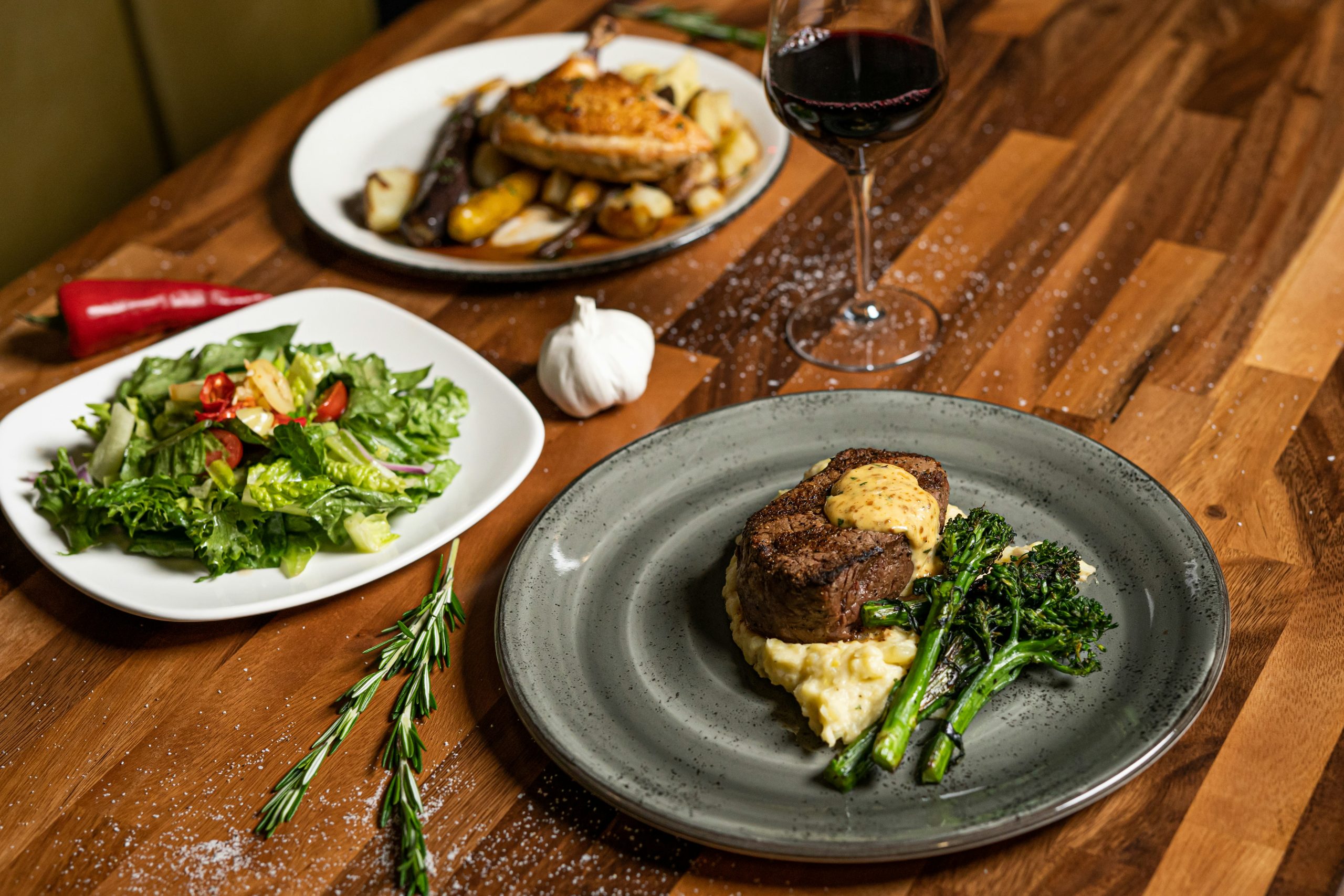
- Side Dishes: Consider timeless pairings such as roasted vegetables, mashed potatoes, or a fresh green salad.
When it comes to enjoying a perfectly cooked steak at a restaurant, there are many factors to consider, from the cut of meat to the cooking technique. For those looking to enhance their dining experience, exploring different steak preparations can be enlightening. A great resource for understanding the nuances of steak selection and preparation is this insightful article on restaurant steak, which delves into various styles and tips for making the most of your meal. Whether you prefer a classic ribeye or a tender filet mignon, knowing what to look for can elevate your next visit to a steakhouse.
Troubleshooting and Refinement: Continuous Improvement
| Steak Type | Average Weight (oz) | Average Cooking Time (minutes) | Popular Doneness Level | Average Price |
|---|---|---|---|---|
| Ribeye | 12 | 10-12 | Medium Rare | 25 |
| Filet Mignon | 8 | 8-10 | Medium | 30 |
| New York Strip | 10 | 10-12 | Medium Rare | 28 |
| T-Bone | 16 | 12-15 | Medium | 35 |
| Sirloin | 10 | 8-10 | Medium Well | 22 |
Perfection in steak cooking is a journey, not a destination. Each attempt offers an opportunity for learning and refinement.
Common Pitfalls and Solutions
- Overcooked Exterior, Raw Interior: This often indicates too high heat for too long, or insufficient resting time before searing. Consider the reverse sear method for better internal temperature control.
- Gray Band: A common characteristic of steaks cooked solely by direct heat. Reverse searing or sous vide cooking can minimize or eliminate this.
- Lack of Crust: Usually due to excess surface moisture, an insufficiently hot pan, or cooking at too low a temperature. Ensure the steak is thoroughly dry and the pan is smoking hot.
- Dry Steak: Can result from overcooking (exceeding desired internal temperature) or insufficient resting. Using a meat thermometer consistently is key.
Practice and Observation
Cooking steak successfully relies heavily on developing intuition, which comes from practice and careful observation. Pay attention to how the steak looks, feels, and smells at different stages of cooking. Learn to recognize the visual cues of a forming crust and the subtle changes in texture that indicate doneness. Think of each steak as a unique learning opportunity, a puzzle to be solved.
By systematically applying these principles, you can consistently produce restaurant-quality steaks at home. It is a process that rewards patience, attention to detail, and a fundamental understanding of both the ingredient and the heat.