
Steakhouse dining in Japan presents a distinct culinary landscape, offering a departure from the more common Western interpretations. This exploration delves into the elements that define a superior Japanese steakhouse experience, examining the foundational principles, diverse offerings, and the nuanced execution that elevates it. Understanding these components is key to appreciating the artistry involved.
The bedrock of any exceptional steakhouse is the quality of its primary ingredient: beef. In Japan, this concept is amplified by a strong tradition of meticulous sourcing and a deep reverence for prime cuts.
Wagyu: The Pinnacle of Japanese Beef
Wagyu, meaning “Japanese cow,” is a broad term encompassing several breeds, most notably Kuroge Washu (Japanese Black). The characteristic marbling – the intricate network of intramuscular fat – is what provides Wagyu its unparalleled tenderness, flavor, and buttery texture. This marbling is not a random occurrence; it is the result of generations of selective breeding and specialized feeding regimens.
Understanding Marbling Grades
The Japanese beef grading system, administered by organizations like the Japan Meat Grading Association (JMGA), is renowned for its rigor. Grades are assigned based on yield (A, B, C) and quality (1-5), with “5” representing the highest. Further refinement within the quality grade, indicated by specific scores for marbling, color, firmness, and texture, yields sub-grades like A5. This A5 designation signifies beef with exceptional marbling, often referred to as “shimotsuke” or “sashi.” The visual appearance of this marbling is like a painter’s careful brushstrokes, promising richness with every bite.
Regional Variations and Their Significance
Japan boasts distinct regions known for their specific Wagyu production, each with its own climatic advantages and traditional rearing methods.
Kobe Beef: A Global Icon
Perhaps the most internationally recognized Wagyu, Kobe beef originates from the Tajima strain of Japanese Black cattle raised in Hyogo Prefecture. Strict standards govern its production, including specific feeding, marbling levels (BMS scores), and hindquarter development. The result is a beef with an exceptionally fine, even marbling, often described as melting in the mouth.
Matsusaka Beef: The “Pearl of Japanese Beef”
Hailing from Mie Prefecture, Matsusaka beef is another highly prized Wagyu. Historically, these cattle were raised by farmers who treated them with the utmost care, sometimes feeding them sake lees and beer. Today, the focus remains on slow growth and meticulous feeding, resulting in a rich, complex flavor profile and a buttery, melt-in-your-mouth texture.
Omi Beef: Historical Prestige
Omi beef, from Shiga Prefecture, is one of Japan’s oldest Wagyu brands. It is known for its lean yet tender meat with a slightly sweet undertone and a firm texture, balanced by a satisfying amount of marbling. Its historical connection to samurai and royalty adds to its allure.
Hida Beef: The Quintessence of Gifu
Gifu Prefecture’s Hida beef, also part of the Tajima lineage, is celebrated for its well-balanced marbling and distinctive umami flavor. Its consistent quality has earned it a strong reputation both domestically and internationally.
Beyond Wagyu: Other Premium Beef Options
While Wagyu often takes center stage, discerning steakhouses may also feature other premium Japanese beef breeds or particularly well-aged domestic cuts. These might provide a different, yet equally compelling, textural and flavor experience.
Dry-Aged Japanese Beef
The practice of dry-aging, while common in Western steakhouses, is also increasingly being applied to Japanese beef. This process concentrates the flavor and tenderizes the meat by allowing natural enzymes to break down muscle fibers. For Wagyu, dry-aging can further intensify its inherent richness, creating a profound umami depth.
Prime Domestic Cuts
In some instances, steakhouses might opt for exceptionally high-quality cuts from non-Wagyu Japanese breeds, carefully selected for their marbling and tenderness. These can offer a more accessible entry point to premium Japanese beef while still delivering a memorable dining experience.
If you’re interested in the vibrant dining experience of a Japanese steakhouse, you might also enjoy exploring the various events and special offerings at Pampas Gaucho, which showcases a unique blend of culinary traditions. To learn more about their exciting events and promotions, check out this related article on their website: Pampas Gaucho Events.
The Art of Preparation: Cooking Techniques and Precision
The mere possession of superior ingredients is only half the battle. The preparation and cooking of Japanese steak are as much about precision and culinary discipline as they are about showcasing the inherent qualities of the beef.
Teppanyaki: The Culinary Stage
Teppanyaki is a Japanese cooking style that utilizes a flat iron griddle, or tepan. This technique is central to many Japanese steakhouse experiences, transforming the cooking process into a performance.
The Chef as Performer
The teppanyaki chef operates with a meticulous grace, their knives and spatulas dancing across the hot surface. This is not just about cooking; it is about engaging the diners directly, transforming the meal into a shared spectacle. The rhythmic chopping, sizzling sounds, and the aroma that fills the air contribute to a multisensory dining event. The chef’s skill lies in their ability to control the heat precisely, searing the exterior while preserving the succulent interior of the premium cuts.
Interactive Dining Experience
The interactive nature of teppanyaki fosters a communal atmosphere. Diners gather around the tepan, witnessing their meal come to life before their eyes. This direct engagement with the food preparation process creates a unique connection between the patron and the meal, making it more than just sustenance.
Precise Heat Management
Crucial to teppanyaki is the chef’s mastery of heat. The tepan must be properly preheated to achieve the perfect sear. The chef adjusts the heat dynamically, ensuring that each cut of steak, from delicate Wagyu to heartier cuts, is cooked to its optimal temperature and degree of doneness. This precision prevents overcooking, which can be especially detrimental to the delicate fat structure of Wagyu.
Robatayaki: The Charcoal Grill Mastery
Robatayaki, or “fireside cooking,” is another traditional Japanese grilling method that lends itself beautifully to showcasing steak.
The Seduction of Charcoal
The use of binchotan charcoal, a high-quality, slow-burning charcoal, is a hallmark of excellent robatayaki. Binchotan imparts a clean, subtle smoky flavor without acrid notes, allowing the natural taste of the beef to shine through. The radiant heat from the charcoal creates a beautiful crust on the steak, locking in its juices.
Skewered Delicacy
Meats and vegetables are often skewered for robatayaki, allowing for even cooking and easy rotation over the coals. The chef’s ability to expertly position and turn these skewers ensures that each piece receives the ideal amount of heat exposure. This method resembles a careful sculptor, shaping the meat’s exterior with controlled bursts of heat.
Marination and Glazing
Robatayaki often involves simple marinades or glazes, such as soy sauce-based tare, which caramelize on the grill, adding layers of umami and sweetness. The chef’s judicious application of these elements enhances, rather than masks, the inherent quality of the beef.
Western-Style Steak Preparation with Japanese Finesse
Some Japanese steakhouses may also adopt Western grilling techniques, such as pan-searing or oven-finishing, but infused with Japanese culinary sensibilities.
Emphasis on Simplicity
The philosophy here is to let the quality of the beef speak for itself. Sauces are often light and complementary, such as a ponzu reduction or a delicate mushroom demi-glace, rather than heavy, overpowering reductions.
Resting and Slicing
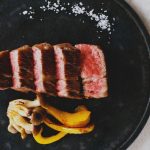
The importance of resting the steak after cooking is universally recognized, and Japanese steakhouses adhere to this principle. Proper resting allows the juices to redistribute throughout the meat, ensuring tenderness and moisture. The subsequent slicing is often done with precision, revealing the perfect internal color and marbling.
The Accompaniments: Beyond the Steak
A truly exceptional Japanese steakhouse experience extends beyond the main protein. The supporting cast of appetizers, side dishes, and sauces plays a crucial role in harmonizing the meal.
Appetizers: Setting the Stage
The introductory courses offer a glimpse into the culinary direction of the restaurant and prepare the palate for the richness of the steak.
Tataki and Carpaccio
Beef tataki, a dish where the exterior of the beef is seared very briefly before being thinly sliced, is a popular appetizer. It offers a raw, tender interior with a subtly cooked outer layer, often dressed with ginger, garlic, and soy sauce. Similarly, thinly sliced raw beef carpaccio can highlight the quality of the meat with minimal adornment.
Yakitori: Skewered Delights
While often considered a standalone dish, high-quality yakitori (grilled chicken skewers) can also serve as a sophisticated appetizer in a steakhouse setting, showcasing grilling prowess with different proteins.
Side Dishes: Complementary Flavors and Textures
The side dishes are designed to enhance, not compete with, the steak, offering contrasts in flavor and texture.
Seasonal Vegetables
The focus is often on fresh, seasonal vegetables, prepared in ways that preserve their natural flavors and textures. This might include:
Grilled Asparagus and Mushrooms
Simple preparations like grilled asparagus or shiitake mushrooms, often seasoned with a touch of soy sauce or butter, provide a pleasing earthiness and slight char.
Steamed or Sautéed Greens
Lightly prepared spinach or bok choy offers a refreshing counterpoint to the richness of the beef.
Rice and Noodles
A staple in Japanese cuisine, rice and noodles are often presented as refined accompaniments.
Steamed Japanese Rice
Perfectly cooked short-grain Japanese rice, with its slightly sticky texture, is an ideal palate cleanser between bites of steak.
Soba or Udon Noodles
In some settings, delicate soba or udon noodles, perhaps served chilled with a dipping sauce, can offer a lighter alternative.
Sauces and Condiments: The Nuance of Flavor
The sauces and condiments offered are not intended to mask the steak’s flavor but to subtly enhance it, providing an extra layer of complexity.
Japanese-Inspired Sauces
These are typically lighter and more nuanced than their Western counterparts.
Yuzu Ponzu
A citrusy, tangy sauce made with yuzu fruit, soy sauce, and rice vinegar, offering a bright acidity that cuts through richness.
Garlic Soy Reduction
A savory reduction of soy sauce and garlic, adding depth and umami without being overly heavy.
Wasabi and Grated Daikon
Freshly grated wasabi provides a pungent heat that awakens the palate, while grated daikon radish offers a mild, cooling effect. The combination of wasabi and soy sauce is a classic pairing for many Japanese dishes.
The Ambiance: Creating an Immersive Environment
The setting in which one enjoys a meal is as important as the food itself. A superior Japanese steakhouse cultivates an atmosphere that complements the culinary experience.
Design and Aesthetics
The interior design often reflects a blend of traditional Japanese elements and modern sophistication.
Minimalist Elegance
A focus on clean lines, natural materials like wood and stone, and a muted color palette contributes to a sense of calm and refinement. This understated approach allows the food to remain the focal point.
Traditional Accents
Subtle incorporation of Japanese art, calligraphy, or architectural elements can add cultural depth and authenticity. Shoji screens, tatami mats (in some more traditional settings), or ikebana (flower arrangements) can all contribute to the ambiance.
Lighting and Sound
Soft, indirect lighting creates a warm and inviting atmosphere, encouraging conversation and relaxation. The soundscape is often carefully managed, with ambient music or the gentle murmur of conversation, avoiding jarring or intrusive noises.
Service Standards: The Unseen Hand of Hospitality
The service in a high-caliber Japanese steakhouse is characterized by attentiveness, discretion, and a profound understanding of hospitality.
Omoiyari: The Spirit of Consideration
This Japanese concept, often translated as “thinking of others” or “consideration,” underpins the service ethos. Staff anticipate needs without being intrusive, offering seamless assistance.
Knowledgeable Staff
Servers are typically well-versed in the menu, able to explain the origins of the beef, the preparation methods, and the nuances of the accompanying dishes. Their explanations can deepen the diner’s appreciation for the meal.
Respect for Space and Pace
The service allows for a natural flow of the meal, without rushing diners. There is a respect for personal space, with interactions being polite and efficient. The goal is to create a comfortable dining rhythm, like a well-conducted symphony, where each movement flows logically into the next.
If you’re interested in the vibrant atmosphere and culinary delights of a Japanese steakhouse, you might also enjoy exploring the various events and offerings at Pampas Gaucho. Their unique approach to dining combines traditional techniques with modern flavors, making it a great complement to the experience found in a Japanese steakhouse. For more information on their upcoming events, check out this related article here.
Beverages: Enhancing the Palate
| Metric | Value | Notes |
|---|---|---|
| Average Meal Price | 40 – 70 | Per person, varies by location and menu |
| Popular Dishes | Filet Mignon, Hibachi Chicken, Shrimp Teppanyaki | Commonly ordered items |
| Average Customer Rating | 4.2 / 5 | Based on online reviews |
| Seating Capacity | 50 – 120 | Depends on restaurant size |
| Typical Wait Time | 10 – 30 minutes | During peak hours |
| Operating Hours | 11:00 AM – 10:00 PM | Varies by location |
| Average Cooking Time | 10 – 15 minutes | Per dish at the grill |
| Number of Locations (US) | Approx. 200 | Includes major chains and independents |
The beverage selection is an integral part of the dining experience, offering pairings that complement and elevate the flavors of the steak.
Sake: The Quintessential Japanese Drink
Sake, a fermented rice beverage, is a natural partner to Japanese cuisine, including steak.
Variety and Pairing
The spectrum of sake, from light and crisp to rich and complex, offers numerous pairing possibilities. Dry junmai sakes can cut through the richness of Wagyu, while richer daiginjos might complement more intensely flavored cuts.
Understanding Junmai, Ginjo, and Daiginjo
These terms denote levels of rice polishing, with higher polishing generally indicating a more refined and often fruitier or floral aroma and flavor.
Temperature Considerations
The ideal serving temperature for sake varies greatly depending on the type, and a knowledgeable server can guide diners towards optimal choices.
Japanese Whisky: A Modern Pairing
Japanese whisky has gained international acclaim for its quality and diverse profiles, offering a sophisticated alternative or complement to sake.
Smoothness and Complexity
Many Japanese whiskies are characterized by their smoothness and nuanced flavors, which can range from delicate and floral to robust and smoky. This complexity can provide an interesting counterpoint to the steak.
Aging and Cask Influence
The aging process and the type of casks used influence the whisky’s character, allowing for a wide range of profiles to be explored.
Wine and Other Beverages
While sake and whisky are traditional partners, many Japanese steakhouses also offer carefully curated wine lists.
Red Wine Pairings
Full-bodied red wines, such as Cabernet Sauvignon or Syrah, can stand up to the richness of premium beef.
Craft Beers and Cocktails
A selection of Japanese craft beers or expertly prepared cocktails can also provide enjoyable pairings, depending on the specific steak and its preparation. The beverage program is a supporting actor, ensuring the spotlight remains on the star – the steak.
In conclusion, the best Japanese steakhouse experience is a carefully orchestrated interplay of exceptional ingredients, precise culinary execution, thoughtfully chosen accompaniments, and an immersive environment. It is a dining event that honors tradition while embracing refinement, offering a memorable journey for the palate and the senses.