
Outback Steakhouse, a casual dining restaurant chain, established in 1988 in Tampa, Florida, by Robert D. Basham, Chris T. Sullivan, and Tim Gannon, has developed a menu heavily influenced by Australian cuisine, though adapted for American palates. This article examines the various components of Outback’s menu, providing an overview of its offerings, from appetizers to desserts, and discusses the operational principles behind its culinary selections. Each section dissects specific menu categories, detailing their typical ingredients, preparation methods, and historical presence on the menu.
The initial course at Outback Steakhouse serves to prepare the diner for the main meal. These selections often lean into sharable formats, designed to be consumed by multiple diners, thereby fostering a communal dining experience. The emphasis is typically on bold flavors and textures.
Bloomin’ Onion: A Signature Offering
The Bloomin’ Onion stands as one of Outback Steakhouse’s most recognizable dishes. Introduced at the restaurant’s inception, it consists of a large onion, cut to resemble a flower, battered, and deep-fried. The individual petals can then be pulled apart and dipped into a proprietary mayonnaise-horseradish sauce. Its preparation involves a specific cutting technique that maximizes surface area for batter adhesion and even cooking. The dish’s popularity has led to numerous imitators across the restaurant industry. Its caloric density and fat content are significant, reflecting a common characteristic of American appetizer conventions.
Kookaburra Wings: Poultry with a Kick
Named after the Australian bird, Kookaburra Wings are a staple chicken wing offering. These wings are typically deep-fried and tossed in a choice of sauces, commonly mild, medium, or hot barbecue, or a proprietary “spicy” sauce. The dish is usually served with celery sticks and blue cheese dressing. The preparation method involves achieving a crispy exterior while maintaining a moist interior. The sauces provide a flavor profile that ranges from sweet and tangy to spicy, catering to diverse preferences. The Kookaburra Wings represent a deviation from distinctly Australian fare, instead aligning with popular American pub food.
Aussie Cheese Fries: A Hearty Start
Outback’s Aussie Cheese Fries represent another interpretation of a classic American bar snack. They consist of seasoned fries topped with melted Monterey Jack and Cheddar cheeses, alongside chopped bacon. A ranch dressing is typically provided for dipping. The dish leverages the appeal of crispy potatoes combined with savory cheese and bacon, a combination widely accepted in casual dining. The “Aussie” descriptor, in this context, serves primarily as a branding element rather than an indicator of specific Australian culinary traditions.
If you’re looking to explore more about the unique dining experiences offered at Outback Steakhouse, you might find this related article interesting. It delves into the various menu options, including seasonal specials and fan-favorite dishes that keep patrons coming back for more. Check it out here: Explore Outback’s Menu.
Steaks: The Core of the Menu
The steak offerings constitute the central pillar of Outback Steakhouse’s culinary identity. The restaurant positions itself as a steakhouse, and as such, a significant portion of its resources and marketing efforts are directed towards its beef products. The selection typically includes various cuts, grades, and preparation styles.
Sirloin: A Reliable Choice
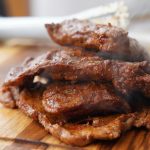
The sirloin steak is a consistent presence on Outback’s menu due to its balance of flavor and tenderness, and its relatively moderate price point compared to more premium cuts. Sirloin is derived from the hindquarter of the animal. At Outback, it is often seasoned with a proprietary blend of spices and grilled over an open flame to the customer’s desired doneness. Various portion sizes are typically available, catering to different appetites. The preparation aims to create a seared exterior while maintaining a juicy interior.
Ribeye: Flavor and Marbling
The ribeye steak is prized for its marbling, which refers to the intramuscular fat within the cut. This fat renders during cooking, contributing significantly to the steak’s flavor and tenderness. Outback’s ribeye is typically seasoned with a blend of spices, similar to the sirloin, and grilled. The fat content makes it a richer cut than the sirloin. The preparation focuses on achieving a caramelized crust without overcooking the interior, allowing the marbling to fully contribute to the eating experience.
Filet Mignon: The Lean and Tender Option
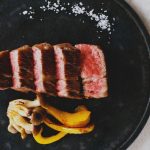
The filet mignon is cut from the tenderloin, known for its exceptional tenderness and lean muscle. It possesses less marbling than a ribeye, resulting in a milder flavor profile but a buttery texture. Outback typically offers the filet mignon in different sizes, often wrapped in bacon to enhance flavor and moisture. The preparation emphasizes preserving its tenderness through careful grilling. The filet mignon represents a premium offering, often associated with special occasions.
Outback Special: The House Signature Cut
The “Outback Special” is a proprietary seasoning blend applied to a sirloin cut. While the cut itself is a sirloin, the branding suggests a unique Outback experience. This steak is marinated and seasoned with a specific blend of herbs and spices before being grilled. It serves as a benchmark for the restaurant’s steak preparations, offering a consistent flavor profile that customers associate with the brand. The emphasis is on the distinct seasoning rather than a unique cut of beef.
Other Entrées: Beyond Beef
While steaks are central, Outback Steakhouse also provides a selection of alternative entrées to accommodate varying dietary preferences and broaden its appeal. These dishes often incorporate poultry, seafood, or pasta.
Grilled Chicken on the Barbie: A Leaner Alternative
“Grilled Chicken on the Barbie” is a chicken breast seasoned and grilled, often served with a barbecue sauce or a proprietary glaze. It caters to diners seeking a lighter or poultry-based main course. The term “on the Barbie” is a nod to Australian slang for barbecue. The preparation focuses on char-grilling the chicken to achieve a smoky flavor and tender texture, avoiding dryness. This dish represents a consistent offering for those not opting for red meat.
Salmon: Seafood Selection
Outback typically offers grilled salmon as a seafood option. The salmon is usually seasoned and grilled, often served with a lemon pepper butter or another complementary sauce. This inclusion acknowledges the demand for fish in restaurant menus. The preparation aims to achieve a flaky texture and moist interior, common goals in salmon preparation. The specific source and species of salmon may vary demographically and seasonally, though farm-raised Atlantic salmon is common.
Ribs: Barbecue Tradition
Pork ribs, often slow-cooked and finished on the grill with barbecue sauce, are another prominent entrée. These ribs are typically “fall-off-the-bone” tender. The preparation involves a multi-step process: slow-cooking to break down connective tissues, followed by grilling to caramelize the barbecue sauce and provide a smoky finish. This dish appeals to consumers who enjoy the rich, savory flavors associated with barbecue cuisine.
Sides: Complementing the Main Course
The accompanying side dishes at Outback Steakhouse are designed to complement the main entrées, providing texture, flavor, and nutritional balance to the meal. These range from traditional starchy accompaniments to vegetable-based options.
Baked Potato: A Classic Pairing
The baked potato is a ubiquitous side dish, often served with butter, sour cream, cheese, and bacon bits. Outback’s version adheres to this traditional presentation. The objective is a soft, fluffy interior encased in a slightly crisp skin. It serves as a neutral base that can be customized with various toppings, allowing diners to personalize their meal. The baked potato is a cost-effective and widely accepted accompaniment to steaks.
Mashed Potatoes: Creamy Comfort
Mashed potatoes offer a creamy alternative to the baked variety. Outback’s mashed potatoes typically feature a smooth texture and are seasoned. They often include butter and sometimes garlic, providing a richer flavor profile. The preparation involves boiling potatoes until tender, then mashing them with dairy products and seasonings. This side provides a comforting and familiar option for many diners.
Aussie Fries: Seasoned Potato Sticks
Outback’s “Aussie Fries” are seasoned French fries. They are deep-fried to a golden-brown crispness and typically served with a proprietary seasoning blend. These fries provide a salty, savory, and textural contrast to the main course. They are a common accompaniment to sandwiches and burgers but also serve as a popular side to steaks and chicken. The seasoning is a key differentiator from standard unseasoned fries.
Freshly Steamed Veggies: A Lighter Option
For diners seeking a lighter or vegetable-focused accompaniment, “Freshly Steamed Veggies” are offered. This often includes a medley of seasonal vegetables like broccoli, carrots, and green beans. The preparation aims to retain the vegetables’ natural flavor and texture without overcooking them. This option serves as a nutritional counterpoint to the more indulgent offerings on the menu.
If you’re curious about the dining experience at Outback Steakhouse, you might find it interesting to read about the dedicated and attentive staff that enhances the overall atmosphere. Their commitment to customer service plays a significant role in making each visit memorable. For more insights on how service impacts dining, check out this article on dedicated staff.
Desserts and Beverages: Concluding the Experience
| Menu Item | Category | Calories | Protein (g) | Carbohydrates (g) | Fat (g) |
|---|---|---|---|---|---|
| Bloomin’ Onion | Appetizer | 1500 | 20 | 100 | 90 |
| Outback Special Sirloin (6 oz) | Steak | 430 | 46 | 0 | 24 |
| Grilled Chicken on the Barbie | Chicken | 500 | 52 | 0 | 28 |
| Victoria’s Filet (6 oz) | Steak | 350 | 43 | 0 | 20 |
| Caesar Salad | Salad | 470 | 12 | 20 | 38 |
| Chocolate Thunder from Down Under | Dessert | 980 | 10 | 120 | 50 |
The meal concludes with dessert options and a variety of beverages, designed to provide a satisfying finish and cater to various preferences for liquid refreshment.
Chocolate Thunder from Down Under: Indulgent Finale
The “Chocolate Thunder from Down Under” is a prominent dessert option. It is typically a rich chocolate brownie served with vanilla ice cream, chocolate sauce, and sometimes whipped cream. This dessert is characterized by its decadent nature and substantial portion size. It aligns with the American preference for highly indulgent and visually appealing dessert options. Its name, like many Outback dishes, uses Australian slang for marketing appeal.
Cheesecakes: Creamy and Sweet
Cheesecake is a common dessert offering at Outback. Variations often include classic New York-style cheesecake, or versions topped with fruit compotes or chocolate sauces. These desserts provide a creamy texture and sweet flavor, contrasting with the often savory main courses. The preparation involves a baked custard-like filling on a crust, typically refrigerated for setting.
Beverages: A Wide Selection
Outback Steakhouse offers a comprehensive beverage program. This includes:
- Soft Drinks: Standard carbonated soft drinks, iced tea (sweet and unsweetened), and lemonade.
- Alcoholic Beverages: A selection of beers (domestic and imported, often including some Australian brands), wines (by the glass and bottle, with varietals to pair with steak), and a full bar offering cocktails and spirits. The beer selection often features Foster’s Lager as a nod to its Australian theme, although Foster’s has a limited market share in Australia. Cocktails often bear Australian-themed names.
- Non-Alcoholic Specialties: Such as fruit-flavored lemonades or iced teas.
The beverage program is designed to complement the food offerings and provide options for various dining occasions, from casual family meals to more adult-oriented gatherings. This wide array allows restaurant-goers to select drinks that align with their personal preferences and dining context. The emphasis is on providing both popular, well-known brands and some premium selections to accommodate different price points.