Embarking on the quest for a superior steak is a culinary journey, often beginning with a simple query: “best steak near me.” This article provides a structured approach to navigating this search, outlining various factors that contribute to a high-quality steak experience. It aims to equip the reader with methods for identifying establishments that prioritize steak excellence, from ingredient sourcing to culinary execution.
The concept of “best” is inherently subjective, yet within the realm of steak, certain objective criteria can be applied to inform a more discerning choice. Individual preferences, such as preferred cut, doneness, and accompanying flavors, will always play a role. However, a foundational understanding of what constitutes quality steak preparation can guide the search.
Cut and Marbling
The type of cut significantly influences the steak’s texture and flavor profile. Popular cuts include:
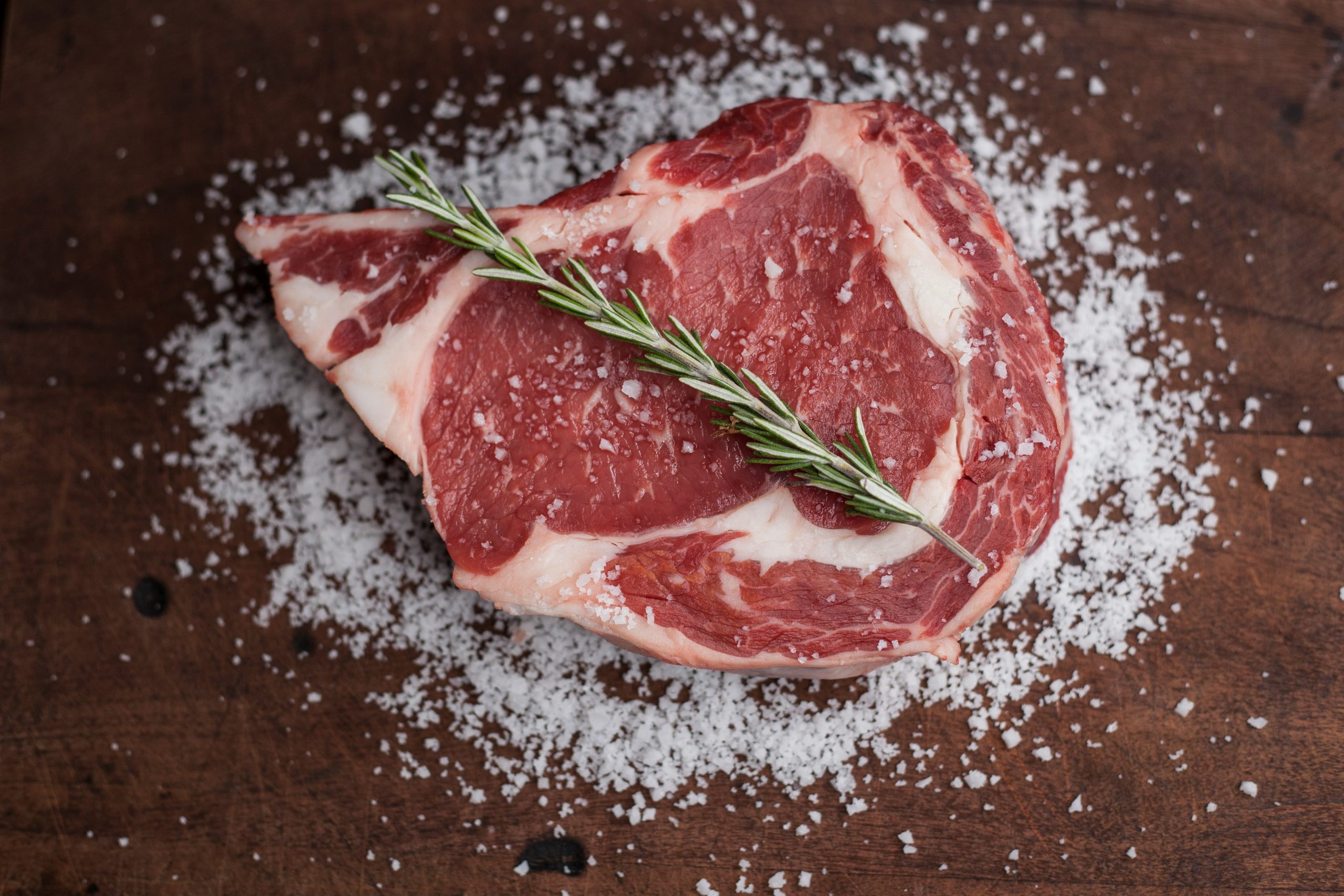
- Ribeye: Known for its ample marbling (intramuscular fat), which renders during cooking, contributing to juiciness and flavor. This marbling often creates a rich, buttery taste.
- New York Strip (Striploin): Characterized by a tighter grain and a more robust, beefy flavor compared to a ribeye, with a fat cap along one side. Its marbling is typically less pervasive than a ribeye’s but still present.
- Filet Mignon (Tenderloin): Renowned for its tenderness, due to its low fat content and location on the cow. It has a mild flavor and a buttery texture.
- Porterhouse/T-Bone: These cuts include a portion of both the New York Strip and the Filet Mignon, separated by a T-shaped bone. The Porterhouse is distinguished by its larger filet portion.
- Sirloin: A versatile cut, offering a balance of flavor and tenderness. It is typically leaner than a ribeye but more flavorful than a filet.
Marbling, the white flecks of fat within the muscle, is a critical indicator of potential flavor and juiciness. Higher marbling, often graded by systems like the USDA Prime, Choice, and Select, generally correlates with a more desirable eating experience.
Aging Processes
The aging of beef, whether wet or dry, is a crucial step in developing flavor and tenderness.
- Dry Aging: Involves hanging cuts of beef in a temperature and humidity-controlled environment for several weeks. This process allows natural enzymes to break down muscle fibers, resulting in increased tenderness. Moisture loss concentrates the beef’s flavor, often leading to a nuttier, more intense taste. The development of a crust on the exterior, which is trimmed before cooking, is characteristic.
- Wet Aging: More commonly used, this method involves vacuum-sealing beef in its own juices. This prevents moisture loss and enzyme action still occurs, contributing to tenderness. While it doesn’t develop the concentrated, complex flavors of dry aging, it is more efficient and cost-effective.
Understanding a restaurant’s aging practices can offer insight into their commitment to steak quality. Establishments specializing in steak often highlight their aging processes as a point of distinction.
Cooking Expertise
Even the highest quality steak can be compromised by improper cooking. Key aspects of cooking expertise include:
- Temperature Control: Achieving the desired doneness (rare, medium-rare, medium, medium-well, well-done) requires precise temperature management. A steak thermometer is a fundamental tool for accuracy.
- Sear: A proper sear creates a flavorful crust through the Maillard reaction, a chemical process that occurs at high temperatures, browning the surface and developing complex flavors. This often involves high heat methods like grilling or pan-searing.
- Resting: Allowing a cooked steak to rest for several minutes before slicing is crucial. This permits the internal juices, which have been forced to the center by the heat, to redistribute throughout the meat, preventing them from escaping when the steak is cut.
The chef’s skill in executing these steps directly impacts the final product. A consistent level of quality across different visits is often indicative of competent kitchen staff.
If you’re on the hunt for the best steak near you, be sure to check out this insightful article that highlights some top-notch steakhouses and their unique offerings. For a deeper dive into the world of steak, including tips on choosing the perfect cut and cooking techniques, visit this article. It provides valuable information that can enhance your dining experience and help you discover new favorites.
Leveraging Online Resources and Reviews
In the current information age, online platforms serve as primary investigative tools for identifying local dining options. These resources can provide a preliminary assessment of a restaurant’s reputation for steak.
Review Aggregators
Websites such as Yelp, Google Maps, TripAdvisor, and OpenTable compile user reviews and ratings. When analyzing these, consider:
- Volume of Reviews: A higher number of reviews generally provides a more reliable aggregate opinion.
- Recency: Focus on recent reviews, as restaurant quality can fluctuate over time due to changes in staff, management, or sourcing.
- Specificity: Look for reviews that specifically mention steak, detailing observations about cut quality, doneness, flavor, and accompanying dishes. Generic positive or negative reviews may be less informative.
- Common Themes: Identify recurring positive or negative comments related to steak quality. For instance, repeated mentions of “perfectly cooked medium-rare” or “tough cuts” are significant.
These platforms often include photographs uploaded by diners, which can offer a visual impression of the steak’s appearance, including marbling and sear.
Food Blogs and Local Guides
Many cities have local food blogs, culinary websites, or newspaper dining sections that offer curated recommendations. These sources often feature:
- Expert Opinions: Reviewers may possess culinary expertise or a strong local knowledge base, offering more nuanced critiques.
- Detailed Descriptions: Blogs and guides typically provide more in-depth analyses of restaurants, including details about sourcing, cooking methods, and the chef’s background.
- Hidden Gems: These resources can sometimes highlight lesser-known establishments that might not dominate aggregate review sites but offer exceptional quality.
Cross-referencing information from multiple sources, combining aggregate reviews with expert opinions, can create a more balanced and reliable picture.
Direct Inquiry and Observation

While online information is valuable, direct interaction with an establishment can provide insights not available digitally.
Menu Analysis
A detailed menu can be a window into a restaurant’s approach to steak. Look for:
- Specific Cut Descriptions: Menus that specify the grade (e.g., USDA Prime), aging process (e.g., “28-day dry-aged”), or origin (e.g., “grass-fed Angus from X farm”) indicate a deliberate approach to sourcing and quality.
- Weight Options: Offering different steak weights (e.g., 10 oz, 14 oz, 20 oz ribeye) demonstrates flexibility and catering to diverse appetites.
- Steak-Specific Preparations: A restaurant with multiple steak options, perhaps with different seasonings or sauces designed to complement particular cuts, suggests a focus on steak.
Absence of such detail should not automatically disqualify a restaurant, but its presence is often a positive indicator.
Engaging with Staff
A brief conversation with restaurant staff can yield valuable information.
- Ask About Sourcing: Inquire about where the beef comes from, the grade of meat, and if they have any specialty cuts or aging processes. Knowledgeable staff should be able to provide clear answers.
- Inquire About Cooking Methods: A question about their preferred cooking method for a particular cut can reveal their expertise. For example, a chef’s recommended doneness for certain cuts.
- Gauge Enthusiasm: Staff who speak enthusiastically and knowledgeably about their steak offerings often work in an establishment that takes pride in its product.
These interactions can illuminate a restaurant’s dedication to its steak program.
Considerations Beyond the Steak

While the steak itself is paramount, the overall dining experience contributes to the perception of “best.”
Ambiance and Service
The atmosphere and service can significantly impact the enjoyment of a meal.
- Ambiance: Whether a formal steakhouse, a casual bistro, or a bustling pub, the ambiance should align with personal preferences and the occasion. A suitable setting can enhance the culinary experience.
- Service: Attentive, knowledgeable, and professional service can elevate a meal. Efficient order taking, timely delivery, and a willingness to address concerns contribute to a positive experience. Servers who can explain menu items, recommend pairings, and understand doneness preferences are assets.
A meticulously prepared steak served in an unpleasant environment or with inadequate service can diminish the overall satisfaction.
Price Point and Value
Cost is a practical consideration. Steaks, especially higher grades or dry-aged varieties, can be expensive.
- Price vs. Quality: A higher price often correlates with superior sourcing, aging, and preparation. However, an expensive steak does not guarantee excellence. The goal is to find a balance between cost and perceived value.
- Value Assessment: Consider the entire package: the quality of the steak, the portion size, accompanying sides, ambiance, and service. A moderately priced restaurant delivering consistent quality might offer better value than an overpriced establishment with inconsistent execution.
The “best” steak near you may not always be the most expensive, but rather the one that provides the most satisfying experience relative to its cost.
If you’re on the hunt for the best steak near you, you might find it helpful to explore a related article that delves into the origins and unique offerings of a renowned steakhouse. For instance, you can check out this insightful piece about Pampas Gaucho, which highlights their commitment to quality and authentic flavors. Discover more about their culinary philosophy and what sets them apart by visiting this link. It could lead you to your next favorite dining experience.
Post-Dining Analysis: Refining Your Search
| Restaurant Name | Location | Average Rating | Price Range | Specialty Steak | Distance (miles) |
|---|---|---|---|---|---|
| Prime Cuts Steakhouse | 123 Main St, Cityville | 4.8 | Moderate | Ribeye | 1.2 |
| Grill Master | 456 Oak Ave, Cityville | 4.6 | High | Filet Mignon | 2.5 |
| Steakhouse Deluxe | 789 Pine Rd, Cityville | 4.7 | Moderate | New York Strip | 3.0 |
| Urban Steak | 321 Elm St, Cityville | 4.5 | Low | Sirloin | 0.8 |
| Classic Steaks | 654 Maple Blvd, Cityville | 4.9 | High | Porterhouse | 4.1 |
The process of finding the best steak is iterative. Each dining experience provides new data points.
Personal Evaluation
After a meal, engage in a brief self-assessment. Consider:
- Flavor Profile: Was the steak flavorful? Did it taste beefy, buttery, or something else specific?
- Texture and Tenderness: Was it tender as expected for the cut? Was it chewy, or did it cut easily?
- Doneness Accuracy: Was it cooked to your specified doneness? If not, by how much was it off?
- Overall Satisfaction: Did the steak meet or exceed expectations? Would you order it again?
These reflections help inform future choices. If a restaurant consistently falls short, it can be removed from consideration. Conversely, positive experiences solidify a restaurant’s place on a mental shortlist.
Comparing Experiences
Keep a mental or physical note of different establishments. This is not about declaring a single “best,” but rather identifying consistent performers and understanding their strengths and weaknesses.
- Strengths and Weaknesses: Restaurant A might excel in its ribeye but struggle with its filet. Restaurant B might offer a stellar dry-aged option but at a significantly higher price.
- Situational Preferences: Some restaurants might be ideal for a casual weeknight steak, while others are reserved for special occasions due to their price or ambiance.
This comparative analysis allows for a more nuanced understanding of local steak offerings and helps in matching a restaurant to a specific need or desire.
In conclusion, identifying the “best steak near me” is a multi-faceted endeavor that combines research, direct inquiry, personal preference, and ongoing evaluation. By systematically approaching the search, focusing on critical elements like cut, aging, cooking technique, and a comprehensive assessment of the dining experience, one can navigate the options and cultivate a roster of establishments consistently delivering quality steak. This journey is less about finding a definitive universal superlative and more about discovering personal benchmarks of excellence within accessible proximity.