
Brazilian steak, or churrasco, has a rich and storied history that reflects the diverse cultural influences that have shaped Brazil over the centuries. The origins of this culinary tradition can be traced back to the gauchos, the skilled horsemen and cattle herders of the southern regions of Brazil, particularly in the Pampas. These gauchos would often cook large cuts of meat over open flames, using simple techniques that emphasized the natural flavors of the beef.
This rustic method of cooking not only provided sustenance for the gauchos but also became a social event, bringing together family and friends to share in the experience of enjoying a hearty meal. As Brazil evolved, so did its culinary landscape. The influence of European immigrants, particularly from Italy and Germany, introduced new flavors and cooking techniques that enriched the traditional churrasco.
The introduction of marinades and spices transformed the way meat was prepared, leading to a more diverse range of flavors. Today, Brazilian steak is celebrated not only in Brazil but around the world, with churrascarias—specialized steakhouses—popping up in cities across the globe.
This evolution has made Brazilian steak a symbol of hospitality and community, where sharing a meal is an integral part of the culture.
Key Takeaways
- Brazilian steak has a rich history dating back to the indigenous people of Brazil and the influence of Portuguese and African cuisines.
- The best cuts of meat for Brazilian churrasco include picanha, alcatra, and fraldinha, known for their tenderness and flavor.
- The art of cooking Brazilian steak involves using a rotisserie or skewers over an open flame to achieve a juicy and flavorful result.
- Traditional Brazilian side dishes to accompany your steak include farofa, pão de queijo, and feijoada, adding depth and variety to the meal.
- Enjoy Brazilian steak in a churrascaria by indulging in an all-you-can-eat experience with a variety of meats served tableside.
The Best Cuts of Meat for Brazilian Churrasco
When it comes to Brazilian churrasco, the choice of meat is paramount. The best cuts for this traditional barbecue style are those that are rich in flavor and tenderness. One of the most popular cuts is picanha, a top sirloin cap that is known for its juicy texture and robust flavor.
This cut is typically seasoned with coarse salt and grilled to perfection, allowing the natural juices to enhance its taste. Another favorite is alcatra, or top sirloin, which offers a balance of tenderness and flavor, making it a staple in many churrascarias. Other notable cuts include fraldinha (flank steak), which is known for its rich marbling and intense flavor, and costela (beef ribs), which are slow-cooked to achieve a melt-in-your-mouth tenderness.
Each cut has its unique characteristics, and part of the joy of dining at a churrascaria is experiencing the variety of flavors and textures that these different meats offer. Whether you prefer the boldness of picanha or the succulence of fraldinha, there’s a cut for every palate at Pampa Gaucho Brazilian Steakhouse.
The Art of Cooking Brazilian Steak

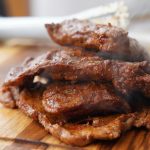
Cooking Brazilian steak is an art form that requires skill, patience, and an understanding of how to bring out the best in each cut of meat. The traditional method involves skewering large pieces of meat and cooking them over an open flame or charcoal grill. This technique not only imparts a smoky flavor but also allows for even cooking, ensuring that each piece is perfectly seared on the outside while remaining juicy on the inside.
The key to mastering this technique lies in controlling the heat and knowing when to turn the meat for optimal results. At Pampa Gaucho Brazilian Steakhouse, our chefs are trained in this time-honored method, ensuring that every bite of steak is a testament to our commitment to quality. The use of simple seasonings—primarily coarse salt—allows the natural flavors of the meat to shine through.
Additionally, some cuts may be marinated or seasoned with herbs and spices to enhance their taste further. The result is a dining experience that celebrates the essence of Brazilian cuisine while showcasing the skill involved in preparing each dish.
Traditional Brazilian Side Dishes to Accompany Your Steak
| Side Dish | Description |
|---|---|
| Farofa | Toasted cassava flour mixed with ingredients like bacon, eggs, and onions |
| Feijão Tropeiro | Beans cooked with cassava flour, bacon, sausage, and eggs |
| Couve a Mineira | Thinly sliced collard greens sautéed with garlic and bacon |
| Arroz Carreteiro | Rice cooked with beef jerky, onions, and garlic |
No Brazilian steak meal is complete without an array of traditional side dishes that complement the rich flavors of the meat. One popular accompaniment is farofa, a toasted cassava flour mixture that adds a delightful crunch and nutty flavor to each bite. Often mixed with ingredients like bacon, onions, or eggs, farofa provides a satisfying contrast to the tenderness of grilled steak.
Another essential side dish is vinagrete, a fresh salsa made from diced tomatoes, onions, bell peppers, and vinegar. This zesty condiment adds brightness and acidity to balance the richness of the meat. Additionally, rice and black beans are staples in Brazilian cuisine and are often served alongside steak to create a hearty meal.
At Pampa Gaucho Brazilian Steakhouse, we take pride in offering these traditional sides, ensuring that every guest enjoys an authentic Brazilian dining experience.
How to Enjoy Brazilian Steak in a Churrascaria
Dining at a churrascaria is not just about enjoying delicious food; it’s also about embracing a unique cultural experience. At Pampa Gaucho Brazilian Steakhouse, we encourage our guests to fully immerse themselves in this tradition by taking their time and savoring each course. The experience typically begins with a selection of appetizers and salads from our extensive salad bar, featuring fresh vegetables, cheeses, and cured meats.
Once you’re ready for the main event, our gaucho chefs will begin serving various cuts of meat directly at your table. This continuous service allows you to sample different flavors and textures without feeling rushed. It’s customary to signal for more meat by flipping your card from red to green, indicating that you’re ready for another round.
Pairing your steak with traditional sides and sauces enhances the experience even further, making each bite a celebration of Brazilian culture.
The Unique Flavors and Seasonings of Brazilian Steak

One of the defining characteristics of Brazilian steak is its unique flavors and seasonings that set it apart from other grilling styles. The simplicity of using coarse salt as the primary seasoning allows the natural taste of the beef to shine through while enhancing its juiciness. This minimalist approach is rooted in tradition and reflects the gauchos’ philosophy of letting quality ingredients speak for themselves.
In addition to salt, some cuts may be marinated with garlic, herbs, or spices to add depth to their flavor profiles. The use of chimichurri—a vibrant sauce made from parsley, garlic, vinegar, and oil—provides an aromatic complement to grilled meats. This combination of simple yet bold flavors creates a memorable dining experience that captures the essence of Brazilian cuisine at Pampa Gaucho Brazilian Steakhouse.
Tips for Grilling Brazilian Steak at Home
For those who wish to recreate the magic of Brazilian steak at home, there are several tips to keep in mind for achieving restaurant-quality results. First and foremost, selecting high-quality cuts of meat is essential; look for well-marbled options like picanha or flank steak for optimal flavor and tenderness. When preparing your steak, season generously with coarse salt just before grilling to enhance its natural taste.
Grilling over charcoal or wood will impart a smoky flavor that mimics traditional churrasco cooking methods. Ensure your grill is preheated to high temperatures before placing the meat on it; this will help achieve a perfect sear while locking in juices. Lastly, allow your steak to rest for a few minutes after grilling before slicing into it; this step ensures that the juices redistribute throughout the meat for maximum flavor.
Pairing Brazilian Steak with the Perfect Wine or Cocktail
Pairing beverages with Brazilian steak can elevate your dining experience significantly. When it comes to wine, bold red varieties such as Malbec or Cabernet Sauvignon complement the rich flavors of grilled meats beautifully.
These wines have enough body and tannins to stand up against the robust taste of picanha or alcatra while enhancing their savory notes.
For those who prefer cocktails, caipirinhas—a classic Brazilian drink made with cachaça, sugar, and lime—are an excellent choice. The refreshing citrus notes cut through the richness of the steak while providing a delightful contrast in flavors. At Pampa Gaucho Brazilian Steakhouse, our knowledgeable staff can help you select the perfect pairing to enhance your meal further, ensuring that every aspect of your dining experience is memorable.
In conclusion, Brazilian steak represents more than just a meal; it embodies a rich cultural heritage steeped in tradition and community. From its historical roots among gauchos to its modern-day celebration in churrascarias like Pampa Gaucho Brazilian Steakhouse, this culinary delight continues to captivate palates around the world. Whether you’re indulging in expertly grilled cuts or savoring traditional side dishes, each bite tells a story that connects you to Brazil’s vibrant culture and culinary artistry.
FAQs
What is Brazilian steak?
Brazilian steak, also known as “churrasco,” refers to the style of cooking and serving meat in Brazil. It involves grilling various cuts of meat, typically beef, over an open flame or charcoal.
What are the popular cuts of meat used in Brazilian steak?
Popular cuts of meat used in Brazilian steak include picanha (top sirloin cap), alcatra (rump steak), fraldinha (flank steak), costela (beef ribs), and maminha (tri-tip).
How is Brazilian steak typically served?
In Brazilian steakhouse restaurants, known as “churrascarias,” the meat is often served in a “rodizio” style, where waiters move from table to table with skewers of meat and carve portions directly onto the diners’ plates.
What are some traditional accompaniments to Brazilian steak?
Traditional accompaniments to Brazilian steak include farofa (toasted cassava flour), pão de queijo (cheese bread), rice, black beans, and a variety of salads and vegetables.
What is the significance of Brazilian steak in Brazilian culture?
Brazilian steak holds a significant place in Brazilian culture and is often associated with social gatherings, celebrations, and family meals. It is a central part of the country’s culinary heritage and is enjoyed by people of all ages.