
Brazilian steak, or “churrasco,” has a rich and storied history that reflects the diverse cultural influences of Brazil itself. The origins of this culinary tradition can be traced back to the gauchos, the skilled horsemen and cattle herders of the Pampas region in southern Brazil. These gauchos would gather around open fires, cooking large cuts of meat over wood or charcoal, a practice that not only provided sustenance but also fostered community and camaraderie.
The simplicity of cooking meat over an open flame became a cherished tradition, evolving into the vibrant and flavorful experience we know today as Brazilian steak. As Brazil developed and modernized, so too did the art of churrasco. The introduction of various seasonings and cooking techniques transformed the way meat was prepared and served.
In the mid-20th century, the concept of the “churrascaria” emerged, where diners could enjoy an all-you-can-eat experience featuring a variety of meats served on skewers by waitstaff. This dining style quickly gained popularity, not just in Brazil but around the world, as people sought to experience the unique flavors and communal atmosphere that Brazilian steakhouses offered. Today, Brazilian steak is celebrated globally, with Pampa Gaucho Brazilian Steakhouse in Lighthouse Point serving as a prime example of this beloved culinary tradition.
Key Takeaways
- Brazilian steak has a rich history dating back to the indigenous tribes of Brazil and the influence of Portuguese and African cuisines.
- Different cuts of Brazilian steak include picanha, alcatra, and fraldinha, each with its own unique flavor and texture.
- The traditional Brazilian steakhouse experience, known as churrascaria, involves a continuous tableside service of various cuts of meat.
- Cooking Brazilian steak at home involves using high heat and simple seasonings to achieve a delicious and tender result.
- Pairing Brazilian steak with the perfect side dishes such as farofa, pão de queijo, and Brazilian-style rice can enhance the overall dining experience.
The Different Cuts of Brazilian Steak
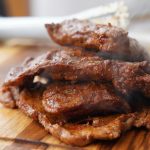
One of the most exciting aspects of Brazilian steak is the variety of cuts available, each offering its own unique flavor and texture. At Pampa Gaucho Brazilian Steakhouse, guests can indulge in an array of expertly prepared meats, including picanha, a prized cut from the top of the sirloin that is known for its tenderness and rich flavor. This cut is often seasoned simply with coarse salt to enhance its natural taste, allowing diners to savor every bite.
Another popular choice is the fraldinha, or flank steak, which is marbled with fat and delivers a juicy, robust flavor that pairs beautifully with traditional Brazilian sides. In addition to these favorites, diners can also enjoy cuts like costela (beef ribs), which are slow-cooked to perfection, and alcatra (top sirloin), known for its balance of tenderness and flavor. Each cut is carefully selected and prepared by skilled chefs who understand the nuances of Brazilian barbecue.
The experience of sampling different cuts allows guests to appreciate the diversity of flavors that Brazilian steak has to offer, making each visit to Pampa Gaucho a culinary adventure.
The Traditional Brazilian Steakhouse Experience

Dining at a Brazilian steakhouse is more than just a meal; it’s an immersive experience that engages all the senses. At Pampa Gaucho Brazilian Steakhouse, guests are welcomed into a warm and inviting atmosphere that reflects the vibrant culture of Brazil. The aroma of grilled meats fills the air as diners are seated at their tables, where they can enjoy a selection of fresh salads, sides, and traditional Brazilian dishes from the extensive salad bar.
This buffet-style approach allows guests to customize their meal while they await the main event: the arrival of the skewered meats. The highlight of the dining experience is undoubtedly the continuous service provided by skilled passadores, or meat servers, who roam the restaurant with skewers of perfectly cooked meats. As they approach each table, diners can choose which cuts they would like to try, creating a personalized dining experience that encourages sharing and conversation.
This interactive style of dining not only showcases the quality of the meats but also fosters a sense of community among guests. Whether celebrating a special occasion or simply enjoying a night out with friends and family, Pampa Gaucho offers an unforgettable experience that captures the essence of Brazilian culture.
How to Cook Brazilian Steak at Home
| Steak Cut | Ingredients | Cooking Time | Internal Temperature |
|---|---|---|---|
| Picanha | Coarse salt, garlic, olive oil | 15-20 minutes | 130-135°F for medium rare |
| Alcatra | Black pepper, garlic, soy sauce | 10-15 minutes | 135-140°F for medium |
| Contrafile | Sea salt, chimichurri sauce | 12-18 minutes | 140-145°F for medium well |
For those who wish to recreate the magic of Brazilian steak at home, there are several key steps to follow to ensure success. First and foremost, selecting high-quality cuts of meat is essential.
Look for well-marbled options like picanha or flank steak at your local butcher or grocery store.
Once you have your meat, it’s important to let it come to room temperature before cooking; this helps ensure even cooking throughout. When it comes to cooking methods, grilling is the preferred technique for achieving that authentic churrasco flavor. Preheat your grill to high heat and season your meat generously with coarse salt.
For added flavor, consider marinating your steak for a few hours before grilling; however, many traditionalists argue that simple seasoning allows the natural flavors to shine through. Cook your steak over direct heat for a few minutes on each side until it reaches your desired level of doneness. Let it rest for a few minutes before slicing against the grain to maximize tenderness.
With these tips in mind, you can bring the taste of Pampa Gaucho into your own kitchen.
Pairing Brazilian Steak with the Perfect Side Dishes
No Brazilian steak meal is complete without delicious side dishes that complement the rich flavors of the meat. At Pampa Gaucho Brazilian Steakhouse, guests can enjoy a variety of traditional accompaniments that enhance their dining experience. One classic side is farofa, a toasted cassava flour mixture often enriched with ingredients like bacon or onions.
Its nutty flavor and crunchy texture provide a delightful contrast to the tender steak. Another popular side dish is pão de queijo, or cheese bread, which is made from tapioca flour and cheese for a chewy and savory treat. Additionally, grilled vegetables such as peppers and zucchini add freshness and color to the plate while balancing out the richness of the meat.
For those looking for something lighter, a simple salad with fresh greens and vinaigrette can provide a refreshing palate cleanser between bites of steak. By thoughtfully pairing these sides with your Brazilian steak, you can create a well-rounded meal that celebrates the flavors of Brazil.
The Secret to the Perfect Brazilian Steak Marinade

While many purists advocate for minimal seasoning on their Brazilian steak, experimenting with marinades can elevate your home-cooked version to new heights. The key to a great marinade lies in balancing flavors while allowing the natural taste of the meat to shine through. A simple marinade can be made using olive oil, garlic, fresh herbs like rosemary or thyme, and a splash of citrus juice for acidity.
This combination not only adds depth but also helps tenderize the meat. To marinate your steak effectively, allow it to soak in the marinade for at least one hour—though overnight is ideal for maximum flavor infusion. Be sure to pat the meat dry before grilling to achieve a nice sear on the outside while keeping it juicy on the inside.
With this approach, you can create a deliciously seasoned Brazilian steak that will impress your family and friends during your next gathering.
Exploring the Flavors of Brazilian Steak Seasonings
The seasoning used on Brazilian steak plays a crucial role in defining its flavor profile. While coarse salt is often considered traditional for seasoning cuts like picanha, there are numerous other spices and herbs that can enhance your grilling experience. For instance, chimichurri sauce—a vibrant blend of parsley, garlic, vinegar, and olive oil—adds brightness and acidity that perfectly complements grilled meats.
Additionally, spices such as paprika or black pepper can be incorporated into rubs for added complexity. Some cooks even experiment with regional spices from Brazil’s diverse culinary landscape, such as cumin or coriander, to create unique flavor combinations that reflect their personal tastes. By exploring different seasonings and sauces, you can discover new dimensions in your Brazilian steak dishes while staying true to their roots.
Health Benefits of Including Brazilian Steak in Your Diet
Incorporating Brazilian steak into your diet can offer several health benefits when enjoyed in moderation as part of a balanced meal plan. High-quality cuts of beef are an excellent source of protein, which is essential for muscle growth and repair as well as overall bodily function. Additionally, beef contains important nutrients such as iron and zinc—both vital for maintaining energy levels and supporting immune health.
Moreover, when prepared using healthy cooking methods like grilling or roasting without excessive fats or oils, Brazilian steak can be part of a nutritious diet. Pairing it with fresh vegetables and whole grains further enhances its health benefits while providing essential vitamins and minerals. By enjoying Brazilian steak at Pampa Gaucho or preparing it at home with care and attention to nutrition, you can savor its delicious flavors while supporting your overall well-being.
FAQs
What is Brazilian steak?
Brazilian steak, also known as “churrasco,” refers to the style of cooking and serving meat in Brazil. It typically involves grilling various cuts of meat, such as beef, pork, and chicken, on skewers over an open flame.
What are the popular cuts of meat used in Brazilian steak?
Popular cuts of meat used in Brazilian steak include picanha (top sirloin cap), alcatra (top sirloin), fraldinha (flank steak), costela (beef ribs), and linguica (sausage). These cuts are often seasoned with salt and sometimes other spices before being grilled.
How is Brazilian steak typically served?
In traditional Brazilian steakhouse restaurants, known as “churrascarias,” the meat is often served rodizio-style, where servers move from table to table with skewers of meat and carve portions directly onto the diners’ plates. The meat is often accompanied by side dishes such as rice, beans, farofa (toasted cassava flour), and salads.
What is the difference between Brazilian steak and other types of steak?
The main difference between Brazilian steak and other types of steak lies in the cooking and serving style. Brazilian steak is typically grilled on skewers over an open flame and served rodizio-style, offering a variety of cuts and flavors to diners. This differs from other steak preparations, such as American-style grilling or pan-searing.
What are some popular condiments or sauces served with Brazilian steak?
Popular condiments and sauces served with Brazilian steak include chimichurri (a tangy herb and garlic sauce), vinaigrette (a tomato and onion salsa), and farofa (toasted cassava flour). These accompaniments add flavor and texture to the grilled meats.