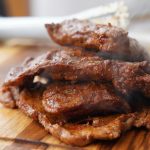

When it comes to enjoying a delicious steak, the first step is selecting the right cut. Each cut of steak offers a unique flavor profile and texture, making it essential to understand the differences. Popular cuts include ribeye, filet mignon, sirloin, and T-bone, each with its own characteristics.
Ribeye, for instance, is known for its marbling and rich flavor, making it a favorite among steak lovers. On the other hand, filet mignon is prized for its tenderness and buttery texture, often considered the most luxurious cut. Understanding these distinctions can help you choose a steak that aligns with your taste preferences and cooking methods.
Additionally, consider the thickness of the steak when making your selection. Thicker cuts tend to be more forgiving during cooking, allowing for a perfect medium-rare finish without overcooking. Conversely, thinner cuts require more attention to avoid becoming tough or dry.
If you’re unsure which cut to choose, don’t hesitate to ask your butcher for recommendations based on your cooking style and desired flavor. With the right cut in hand, you’re well on your way to creating a memorable steak experience.
Key Takeaways
- Choose the right cut of steak based on your preferred level of tenderness and flavor, such as ribeye for marbling or filet mignon for leaner meat.
- Essential tools for cooking steak include a good quality meat thermometer, tongs for flipping, and a sharp knife for slicing.
- Simple marinades and seasonings like salt, pepper, and garlic can enhance the natural flavor of the steak without overpowering it.
- When grilling the perfect steak, preheat the grill, sear the steak over high heat, and then finish cooking over indirect heat for even doneness.
- Pan-searing steak to perfection involves using a heavy-bottomed skillet, preheating it properly, and allowing the steak to develop a flavorful crust.
Essential Tools for Cooking Steak
To achieve the perfect steak, having the right tools in your kitchen is crucial. A high-quality chef’s knife is essential for trimming and portioning your steak, ensuring that you can prepare it with precision. A sturdy cutting board will provide a stable surface for your preparation, while a meat thermometer is invaluable for checking doneness without cutting into the meat.
This tool takes the guesswork out of cooking steak, allowing you to achieve your desired level of doneness every time. In addition to these basics, investing in a good cast-iron skillet or grill pan can elevate your cooking game. These pans retain heat exceptionally well, providing a beautiful sear on your steak that locks in flavor and juices.
If you prefer outdoor cooking, a reliable grill is a must-have. Whether you opt for gas or charcoal, ensure that your grill is well-maintained and preheated before cooking to achieve optimal results. With these essential tools at your disposal, you’ll be well-equipped to create a steak that rivals those served at top steakhouses.
Simple Marinades and Seasonings

Marinades and seasonings play a pivotal role in enhancing the flavor of your steak. A simple marinade can infuse your meat with delicious flavors while also tenderizing it. One classic marinade consists of olive oil, garlic, soy sauce, and fresh herbs like rosemary or thyme.
Combine these ingredients in a bowl and let your steak soak for at least 30 minutes before cooking. This not only adds depth to the flavor but also helps to break down tough fibers in the meat. If you’re looking for a quick seasoning option, salt and pepper are timeless choices that allow the natural flavors of the steak to shine through.
For those who enjoy a bit of heat, consider adding crushed red pepper flakes or smoked paprika to your seasoning mix. Experimenting with different herbs and spices can lead to exciting flavor combinations that elevate your steak experience. Remember that less is often more; you want to enhance the meat’s natural taste rather than overpower it.
Grilling the Perfect Steak
| Steak Doneness | Temperature Range (Fahrenheit) | Approximate Cooking Time (minutes per side) |
|---|---|---|
| Rare | 120-125 | 2-3 |
| Medium Rare | 130-135 | 3-4 |
| Medium | 140-145 | 4-5 |
| Medium Well | 150-155 | 5-6 |
| Well Done | 160 and above | 6-7 |
Grilling is one of the most popular methods for cooking steak, and for good reason. The high heat of the grill creates a beautiful crust while keeping the inside juicy and tender. To grill the perfect steak, start by preheating your grill to high heat.
This ensures that you achieve those coveted grill marks and a flavorful sear. Once your grill is ready, place your seasoned steak on the grates and resist the urge to move it around too much; let it sear for several minutes before flipping. Timing is crucial when grilling steak.
Depending on the thickness of your cut and your desired level of doneness, cooking times will vary. A general rule of thumb is to cook a 1-inch thick steak for about 4-5 minutes per side for medium-rare. Use your meat thermometer to check for doneness; aim for an internal temperature of 130-135°F for medium-rare.
Once cooked to perfection, allow your steak to rest for a few minutes before slicing into it. This resting period allows the juices to redistribute throughout the meat, resulting in a more flavorful and tender bite.
Pan-searing Steak to Perfection
Pan-searing is another excellent method for cooking steak that can yield restaurant-quality results right in your kitchen. To begin, heat a cast-iron skillet over medium-high heat until it’s hot but not smoking. Add a tablespoon of oil with a high smoke point, such as canola or avocado oil, to prevent sticking and enhance browning.
Once the oil shimmers, carefully place your seasoned steak in the pan. Searing the steak creates a delicious crust while locking in moisture. Similar to grilling, timing is key; cook each side for about 3-4 minutes for medium-rare, adjusting as necessary based on thickness.
For added flavor, consider basting your steak with butter and fresh herbs during the last minute of cooking. Tilt the pan slightly and use a spoon to drizzle the melted butter over the top of the steak as it cooks. This technique not only enhances flavor but also adds richness to each bite.
Oven-baking Steak for Beginners

For those who may be intimidated by grilling or pan-searing, oven-baking is an excellent method for beginners looking to cook steak with ease. Start by preheating your oven to 400°F (200°C). While the oven heats up, season your steak generously with salt and pepper or your favorite marinade.
Place an oven-safe skillet on the stovetop over high heat and sear both sides of the steak for about 2-3 minutes until browned. Once seared, transfer the skillet directly into the preheated oven to finish cooking. This method allows for even cooking throughout while still achieving that desirable crust from searing.
Depending on the thickness of your steak and desired doneness, bake for approximately 6-10 minutes. Again, using a meat thermometer will help you achieve perfect results every time. After removing from the oven, let your steak rest before slicing; this will ensure maximum juiciness.
Steak Toppings and Sauces
While a perfectly cooked steak can stand on its own, adding toppings and sauces can elevate your dish to new heights. Classic options include sautéed mushrooms or caramelized onions that add depth and richness to each bite. For those who enjoy a bit of tanginess, consider topping your steak with chimichurri sauce—a vibrant blend of parsley, garlic, vinegar, and olive oil that complements grilled meats beautifully.
If you’re feeling adventurous, try creating a compound butter by mixing softened butter with herbs, garlic, or even blue cheese. A dollop of this flavorful butter on top of a hot steak will melt into a luscious sauce that enhances every mouthful. Don’t shy away from experimenting with different toppings; they can transform an ordinary meal into an extraordinary culinary experience.
Pairing Steak with Sides and Drinks
The final touch in creating a memorable steak dinner lies in pairing it with complementary sides and drinks. Classic accompaniments include creamy mashed potatoes or roasted vegetables that balance out the richness of the meat. A fresh salad with vinaigrette can provide a refreshing contrast while adding color to your plate.
When it comes to drinks, red wine is often considered the best pairing for steak due to its tannins that complement the meat’s flavors. A full-bodied Cabernet Sauvignon or Malbec can enhance the overall dining experience beautifully. For those who prefer beer, opt for a robust stout or porter that can stand up to the richness of the steak.
In conclusion, mastering the art of cooking steak involves understanding cuts, utilizing essential tools, experimenting with marinades and seasonings, and employing various cooking methods like grilling or pan-searing. With practice and creativity in toppings and pairings, you can create an unforgettable dining experience centered around this beloved dish. Whether you’re hosting a dinner party or enjoying a quiet meal at home, these tips will help you serve up steaks that impress every time.
FAQs
What are some easy steak recipes for beginners?
Some easy steak recipes for beginners include pan-seared steak, grilled steak, and oven-baked steak. These recipes typically require minimal ingredients and cooking techniques, making them perfect for those new to cooking steak.
What are some tips for cooking steak for beginners?
For beginners, it’s important to start with a good quality cut of steak, such as ribeye or sirloin. Additionally, make sure to properly season the steak with salt and pepper before cooking. Pay attention to the cooking time and temperature to ensure the steak is cooked to your desired level of doneness.
How can beginners ensure their steak is cooked to the right level of doneness?
One way for beginners to ensure their steak is cooked to the right level of doneness is by using a meat thermometer. This will help them monitor the internal temperature of the steak and determine when it has reached their preferred level of doneness, whether it’s rare, medium-rare, medium, or well-done.
What are some popular steak marinades for beginners?
Some popular steak marinades for beginners include simple combinations of olive oil, soy sauce, garlic, and herbs. These marinades can add flavor and tenderness to the steak, making it a great option for those new to cooking steak.
What are some common mistakes to avoid when cooking steak as a beginner?
Common mistakes to avoid when cooking steak as a beginner include overcooking the steak, not letting the steak rest after cooking, and cutting into the steak too soon. It’s important to follow cooking times and let the steak rest for a few minutes before slicing to ensure a juicy and flavorful result.