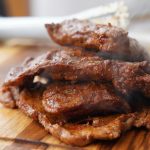

When it comes to preparing a delicious steak, the first and most crucial step is selecting the right cut of meat. The variety of cuts available can be overwhelming, but understanding the differences can help you make an informed choice. Popular cuts include ribeye, filet mignon, sirloin, and T-bone, each offering unique flavors and textures.
Ribeye, for instance, is known for its marbling, which contributes to its rich flavor and tenderness. On the other hand, filet mignon is prized for its buttery texture and mild taste, making it a favorite among steak lovers. In addition to flavor and texture, consider the cooking method you plan to use.
Some cuts are better suited for grilling, while others may be ideal for pan-searing or roasting. For example, a thick porterhouse steak is perfect for grilling due to its size and thickness, allowing for a beautiful sear on the outside while remaining juicy on the inside. Conversely, a flank steak is best marinated and cooked quickly over high heat to maintain its tenderness.
By understanding the characteristics of each cut, you can choose the one that will best suit your cooking style and desired outcome.
Key Takeaways
- Choose the right cut of meat: Look for well-marbled, high-quality cuts like ribeye or filet mignon for the best flavor and tenderness.
- Prepare the steak: Pat the steak dry with paper towels to ensure a good sear and bring it to room temperature before cooking.
- Seasoning and marinating: Use a simple seasoning like salt and pepper or marinate the steak for added flavor, but avoid over-seasoning to let the natural flavors shine through.
- Searing the steak: Get a good sear by preheating your pan or grill and cooking the steak for a few minutes on each side until it develops a nice crust.
- Use a meat thermometer: Invest in a meat thermometer to ensure your steak is cooked to your desired level of doneness, whether it’s rare, medium-rare, medium, or well-done.
Preparing the Steak
Once you’ve selected your cut of meat, it’s time to prepare it for cooking. Proper preparation is essential to ensure that your steak cooks evenly and retains its natural juices. Start by removing the steak from the refrigerator and allowing it to come to room temperature for about 30 minutes before cooking.
This step is crucial as it helps the meat cook more evenly, reducing the risk of a cold center while achieving a perfect sear on the outside. Next, trim any excess fat from the edges of the steak if necessary. While some fat can enhance flavor and juiciness during cooking, too much can lead to flare-ups on the grill or an overly greasy result.
After trimming, pat the steak dry with paper towels to remove any moisture. This step is vital because moisture can hinder the searing process, preventing that coveted crust from forming. With your steak prepped and ready, you’re one step closer to enjoying a mouthwatering meal.
Seasoning and Marinating

Seasoning is an art that can elevate your steak from good to extraordinary. The simplest approach is to use kosher salt and freshly cracked black pepper, which enhance the natural flavors of the meat without overpowering them. Generously season both sides of the steak with salt at least 40 minutes before cooking; this allows the salt to penetrate the meat and enhances its flavor.
If you prefer a more complex flavor profile, consider adding garlic powder, onion powder, or smoked paprika for an extra kick. Marinating is another excellent way to infuse your steak with flavor while also tenderizing it. A marinade typically consists of an acid (like vinegar or citrus juice), oil, and various herbs and spices.
For instance, a simple marinade of olive oil, balsamic vinegar, minced garlic, and fresh rosemary can work wonders on a flank steak. Allow your steak to marinate for at least 30 minutes or up to several hours in the refrigerator for maximum flavor absorption. Just remember to pat it dry before cooking to achieve that perfect sear.
Searing the Steak
| Steak Doneness | Temperature Range (Fahrenheit) | Recommended Cooking Time (minutes per side) |
|---|---|---|
| Rare | 120-125 | 2-3 |
| Medium Rare | 130-135 | 3-4 |
| Medium | 140-145 | 4-5 |
| Medium Well | 150-155 | 5-6 |
| Well Done | 160+ | 6-7 |
Searing is a critical step in cooking a steak that creates a flavorful crust while sealing in juices. To achieve this, preheat your grill or skillet over high heat until it’s scorching hot. If using a grill, ensure that grates are clean and lightly oiled to prevent sticking.
For a skillet, use a heavy-bottomed pan like cast iron for optimal heat retention. Once your cooking surface is ready, place the steak on it without overcrowding; this allows for even cooking and proper searing. Sear each side of the steak for about 3-5 minutes without moving it around too much.
This undisturbed cooking allows for a beautiful crust to form. If you’re using a grill, you can also create crosshatch grill marks by rotating the steak 90 degrees halfway through cooking each side. After searing both sides, consider reducing the heat slightly or moving the steak to a cooler part of the grill to finish cooking to your desired doneness without burning the exterior.
Using a Meat Thermometer
To ensure your steak is cooked perfectly every time, investing in a reliable meat thermometer is essential. This tool takes the guesswork out of cooking meat and helps you achieve your preferred level of doneness consistently. For instance, medium-rare steaks should reach an internal temperature of about 130-135°F (54-57°C), while medium steaks should be around 140-145°F (60-63°C).
Insert the thermometer into the thickest part of the steak without touching bone or fat for an accurate reading. Using a meat thermometer not only guarantees that your steak is cooked to perfection but also helps prevent overcooking. Overcooked steak can become tough and dry, ruining what could have been a fantastic meal.
By monitoring the temperature closely as your steak cooks, you can remove it from heat just before it reaches your desired doneness since it will continue to cook slightly while resting.
Resting the Steak

Resting is often an overlooked yet vital step in preparing a perfect steak. After removing your steak from heat, allow it to rest for at least 5-10 minutes before slicing into it. This resting period enables the juices within the meat to redistribute evenly throughout, resulting in a more flavorful and juicy final product.
If you cut into the steak immediately after cooking, those precious juices will escape onto your cutting board instead of remaining within the meat. To keep your steak warm while it rests, loosely cover it with aluminum foil. This will help retain heat without steaming the crust you’ve worked so hard to achieve.
During this time, you can prepare any sides or sauces you plan to serve with your steak, ensuring that everything comes together beautifully when it’s time to eat.
Slicing and Serving
Slicing your steak correctly is just as important as cooking it properly. The way you cut your steak can significantly impact its tenderness and overall enjoyment. Always slice against the grain; this means cutting perpendicular to the direction of muscle fibers in the meat.
By doing so, you shorten those fibers, making each bite more tender and easier to chew. When serving your steak, consider pairing it with complementary sides that enhance its flavors. Classic accompaniments include roasted vegetables, creamy mashed potatoes, or a fresh salad drizzled with vinaigrette.
You might also want to offer sauces like chimichurri or béarnaise on the side for added flavor options. Presentation matters too; arrange your sliced steak artfully on a platter or individual plates for an appealing dining experience.
Tips for Perfecting Your Steak
Perfecting your steak-cooking skills takes practice and patience, but there are several tips that can help you along the way. First and foremost, always start with high-quality meat from a reputable source; this makes a significant difference in flavor and tenderness. Additionally, don’t be afraid to experiment with different cuts and cooking methods until you find what works best for you.
Another helpful tip is to keep an eye on your cooking times but also trust your instincts and experience. Every grill or stovetop behaves differently; factors like thickness of the cut and ambient temperature can affect cooking times significantly. Lastly, remember that practice makes perfect—don’t be discouraged by initial attempts that may not turn out as expected.
With time and experience, you’ll develop your own techniques for creating mouthwatering steaks that impress family and friends alike. By following these steps and tips for choosing, preparing, seasoning, searing, resting, slicing, and serving your steak, you’ll be well on your way to mastering this culinary art form. Whether you’re hosting a special occasion or simply enjoying a weeknight dinner at home, these techniques will help ensure that every steak you cook is nothing short of exceptional.
FAQs
What is the best cut of steak to cook at home?
The best cuts of steak to cook at home are ribeye, filet mignon, New York strip, and sirloin. These cuts are known for their tenderness and flavor.
How should I season a steak before cooking?
Before cooking a steak, it is best to season it with a generous amount of salt and pepper. You can also add other seasonings such as garlic powder, onion powder, or a steak seasoning blend for extra flavor.
What is the best cooking method for a steak at home?
The best cooking method for a steak at home is to sear it in a hot skillet or grill to get a nice crust on the outside, then finish cooking it in the oven to reach the desired level of doneness.
How can I tell when a steak is done cooking?
You can use a meat thermometer to check the internal temperature of the steak. For a rare steak, the temperature should be around 125°F, for medium-rare it should be 135°F, for medium it should be 145°F, and for well-done it should be 160°F.
Should I let the steak rest after cooking?
Yes, it is important to let the steak rest for a few minutes after cooking to allow the juices to redistribute and the steak to become more tender. Cover the steak with foil and let it rest for about 5-10 minutes before slicing and serving.