
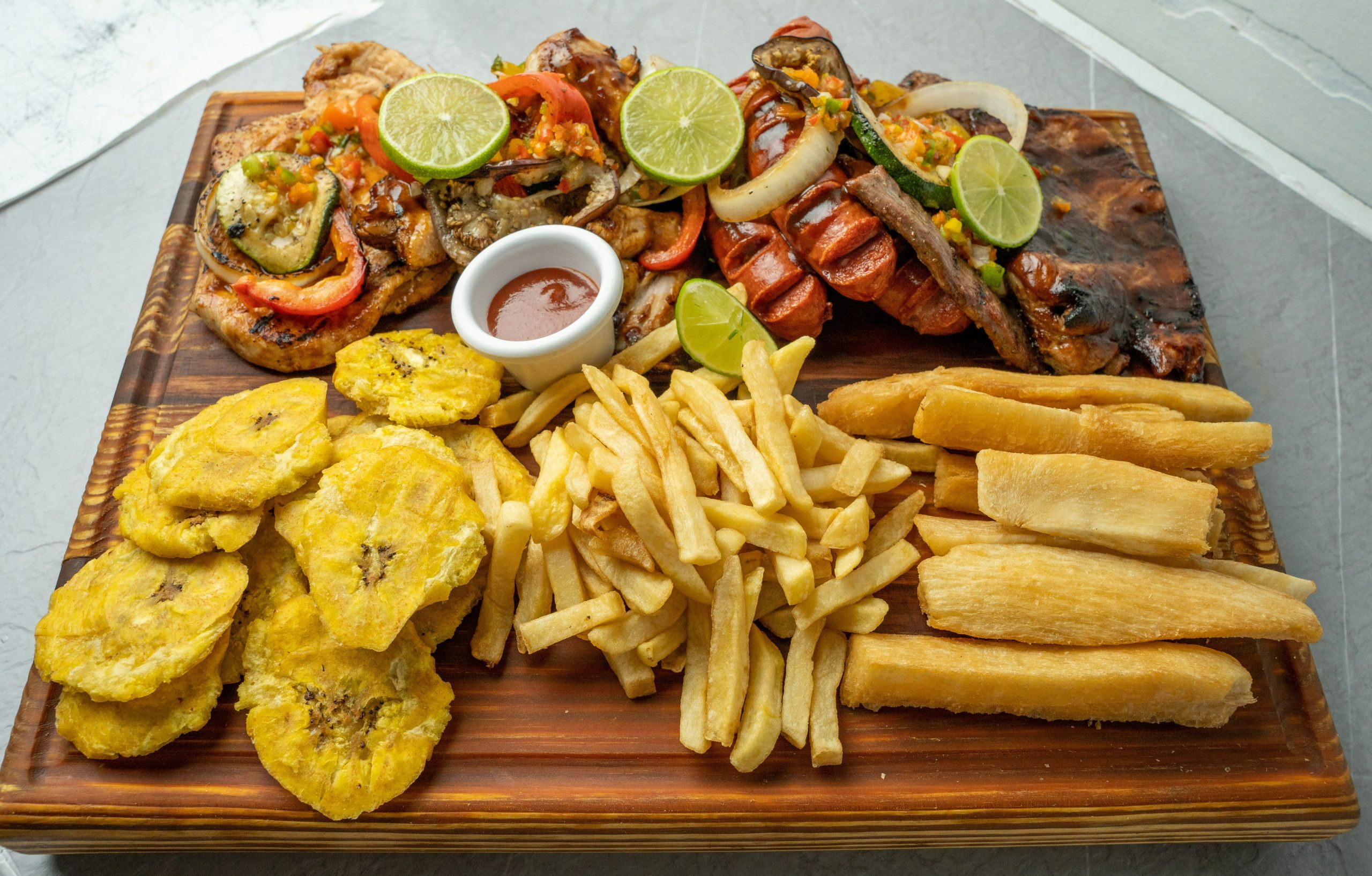
Brazilian cuisine is a vibrant tapestry woven from the diverse cultural influences that have shaped the country over centuries. With its roots deeply embedded in indigenous traditions, African heritage, and European colonization, Brazilian food reflects a rich history and a melting pot of flavors. The culinary landscape of Brazil is as vast as its geography, offering a wide array of dishes that vary from region to region.
From the bustling streets of São Paulo to the serene beaches of Bahia, each area boasts its own unique culinary identity, making Brazilian cuisine an exciting adventure for food lovers. At the heart of Brazilian cuisine lies a deep appreciation for fresh ingredients and bold flavors. The use of spices, herbs, and local produce creates dishes that are not only delicious but also visually appealing.
Whether it’s the smoky taste of grilled meats or the sweetness of tropical fruits, Brazilian food is a celebration of nature’s bounty. As you delve into this culinary world, you’ll discover that every meal tells a story, reflecting the traditions and customs of the people who prepare it.
Key Takeaways
- Brazilian cuisine is a rich and diverse culinary tradition that reflects the country’s cultural and historical influences.
- Traditional Brazilian ingredients and flavors include tropical fruits, seafood, rice, beans, and a variety of spices and herbs.
- Regional variations in Brazilian cuisine showcase the unique flavors and cooking styles of different areas, such as the seafood-rich dishes of the coastal regions and the hearty stews of the interior.
- Popular Brazilian dishes and street food include feijoada (a black bean stew with pork), coxinha (deep-fried chicken croquettes), and acarajé (black-eyed pea fritters).
- Influences on Brazilian cuisine come from indigenous, African, Portuguese, and other immigrant cultures, resulting in a diverse and vibrant food scene.
Traditional Brazilian Ingredients and Flavors
Staple Ingredients
One of the most iconic staples is rice and beans, a dish that serves as a cornerstone in many Brazilian households. This simple yet satisfying combination is often accompanied by farofa, a toasted cassava flour mixture that adds texture and flavor.
Tropical Fruits and Roots
Cassava, or manioc, is another key ingredient in Brazilian cooking, used to make dishes like pão de queijo (cheese bread) and tapioca pancakes. In addition to these staples, Brazil is home to an abundance of tropical fruits that play a significant role in its culinary scene. Fruits such as açaí, guava, and passion fruit are not only enjoyed fresh but are also transformed into juices, desserts, and even savory dishes.
Herbs and Spices
The use of herbs like cilantro and parsley adds freshness to many recipes, while spices such as cumin and paprika provide depth and warmth. The interplay of these ingredients creates a harmonious balance that defines Brazilian cuisine.
Regional Variations in Brazilian Cuisine

Brazil’s vast geography contributes to the remarkable regional variations found in its cuisine. Each region boasts its own distinct flavors and cooking techniques, influenced by local ingredients and cultural traditions. In the North, for example, the Amazon rainforest provides an array of exotic ingredients such as fish from the Amazon River and fruits like cupuaçu and bacaba.
Dishes like tacacá, a soup made with jambu leaves and shrimp, showcase the unique flavors of this region. Moving southward, the Northeast is known for its bold and spicy dishes, heavily influenced by African culinary traditions. Here, you’ll find acarajé, a deep-fried ball made from black-eyed peas and filled with shrimp, as well as moqueca, a fragrant fish stew cooked with coconut milk and dendê oil.
In contrast, the Southern region of Brazil is famous for its churrasco, or barbecue, where various cuts of meat are grilled to perfection over open flames. This regional diversity not only highlights the richness of Brazilian cuisine but also reflects the cultural heritage of its people.
Popular Brazilian Dishes and Street Food
| Dish/Street Food | Description | Main Ingredients |
|---|---|---|
| Feijoada | A traditional stew of black beans, pork, and beef | Black beans, pork, beef, sausage |
| Coxinha | Deep-fried chicken croquettes | Shredded chicken, dough, seasonings |
| Pão de Queijo | Cheese bread balls, crispy on the outside and chewy on the inside | Tapioca flour, cheese, eggs |
| Açaí Bowl | A thick smoothie made from açaí berries, topped with granola and fruits | Açaí berries, granola, fruits |
| Tapioca Crepes | Thin crepes made from tapioca flour, filled with various sweet or savory fillings | Tapioca flour, fillings of choice |
Brazilian cuisine is renowned for its array of popular dishes that tantalize the taste buds and offer a glimpse into the country’s culinary culture. One such dish is feijoada, a hearty black bean stew typically made with various cuts of pork and beef. Often served with rice, collard greens, and orange slices, feijoada is considered the national dish of Brazil and is enjoyed during festive gatherings and family meals alike.
Street food is another integral part of Brazilian culinary culture, offering quick bites that are both delicious and affordable. Vendors can be found on nearly every corner selling treats like coxinha—fried dough filled with shredded chicken—and pastel—crispy pastries filled with cheese or meat. These snacks are perfect for on-the-go eating and provide an authentic taste of Brazil’s vibrant street food scene.
Whether you’re indulging in a savory snack or savoring a traditional meal, Brazilian cuisine offers something for everyone.
Influences on Brazilian Cuisine
The influences on Brazilian cuisine are as diverse as the country itself. Indigenous peoples laid the groundwork for many traditional dishes by utilizing local ingredients such as cassava, fish, and wild game. The arrival of Portuguese colonizers in the 16th century introduced new cooking techniques and ingredients like sugarcane and spices, which would later become integral to Brazilian cooking.
African slaves brought to Brazil during the transatlantic slave trade also left an indelible mark on the country’s culinary landscape. Their cooking methods and flavors can be seen in dishes like vatapá—a creamy seafood dish made with bread, nuts, and coconut milk—and in the use of palm oil in various recipes. Additionally, Italian and German immigrants contributed their own culinary traditions to Brazil’s melting pot, resulting in unique adaptations such as pizza with local toppings or sausages infused with Brazilian spices.
This rich tapestry of influences has created a dynamic culinary scene that continues to evolve today.
Brazilian Desserts and Sweets

No exploration of Brazilian cuisine would be complete without indulging in its delightful desserts and sweets. One of the most beloved treats is brigadeiro—a chocolate truffle made from condensed milk, cocoa powder, and butter rolled in chocolate sprinkles. Brigadeiros are often served at birthday parties and celebrations, symbolizing joy and festivity.
Another popular dessert is quindim, a bright yellow custard made from coconut, sugar, and egg yolks. Its glossy appearance and rich flavor make it a favorite among locals and visitors alike. Additionally, pão de mel—honey bread filled with dulce de leche—is often enjoyed with coffee or tea.
These sweet delights showcase Brazil’s penchant for indulgence while highlighting the use of local ingredients like coconut and chocolate.
Drinks and Beverages in Brazilian Cuisine
Beverages play an essential role in Brazilian cuisine, complementing meals and enhancing social gatherings. One iconic drink is caipirinha—a refreshing cocktail made with cachaça (a sugarcane spirit), lime, and sugar. This national drink embodies the spirit of Brazil and is enjoyed by locals and tourists alike.
In addition to alcoholic beverages, Brazil is known for its refreshing fruit juices made from tropical fruits such as açaí, guava, and passion fruit. These juices are often served fresh at street stalls or restaurants, providing a burst of flavor that perfectly complements any meal. Coffee also holds a special place in Brazilian culture; Brazil is one of the largest coffee producers in the world, and its rich coffee beans are celebrated for their quality.
Whether sipping on a caipirinha or enjoying a glass of fresh juice, beverages are an integral part of the Brazilian dining experience.
Exploring Brazilian Cuisine: Cooking Classes and Food Tours
For those eager to dive deeper into Brazilian cuisine, cooking classes and food tours offer an immersive experience that goes beyond just tasting dishes. Many culinary schools and local chefs provide hands-on classes where participants can learn to prepare traditional recipes using authentic techniques. These classes often include visits to local markets to source fresh ingredients, allowing participants to gain insight into the importance of quality produce in Brazilian cooking.
Food tours are another fantastic way to explore Brazil’s culinary landscape. Guided tours take participants through bustling neighborhoods where they can sample street food favorites while learning about the history behind each dish. From feijoada to brigadeiros, these tours provide an opportunity to connect with local culture through food while discovering hidden gems that may not be found in guidebooks.
Whether you’re an experienced cook or simply a food enthusiast, exploring Brazilian cuisine through these experiences will leave you with lasting memories and a deeper appreciation for this vibrant culinary tradition.