
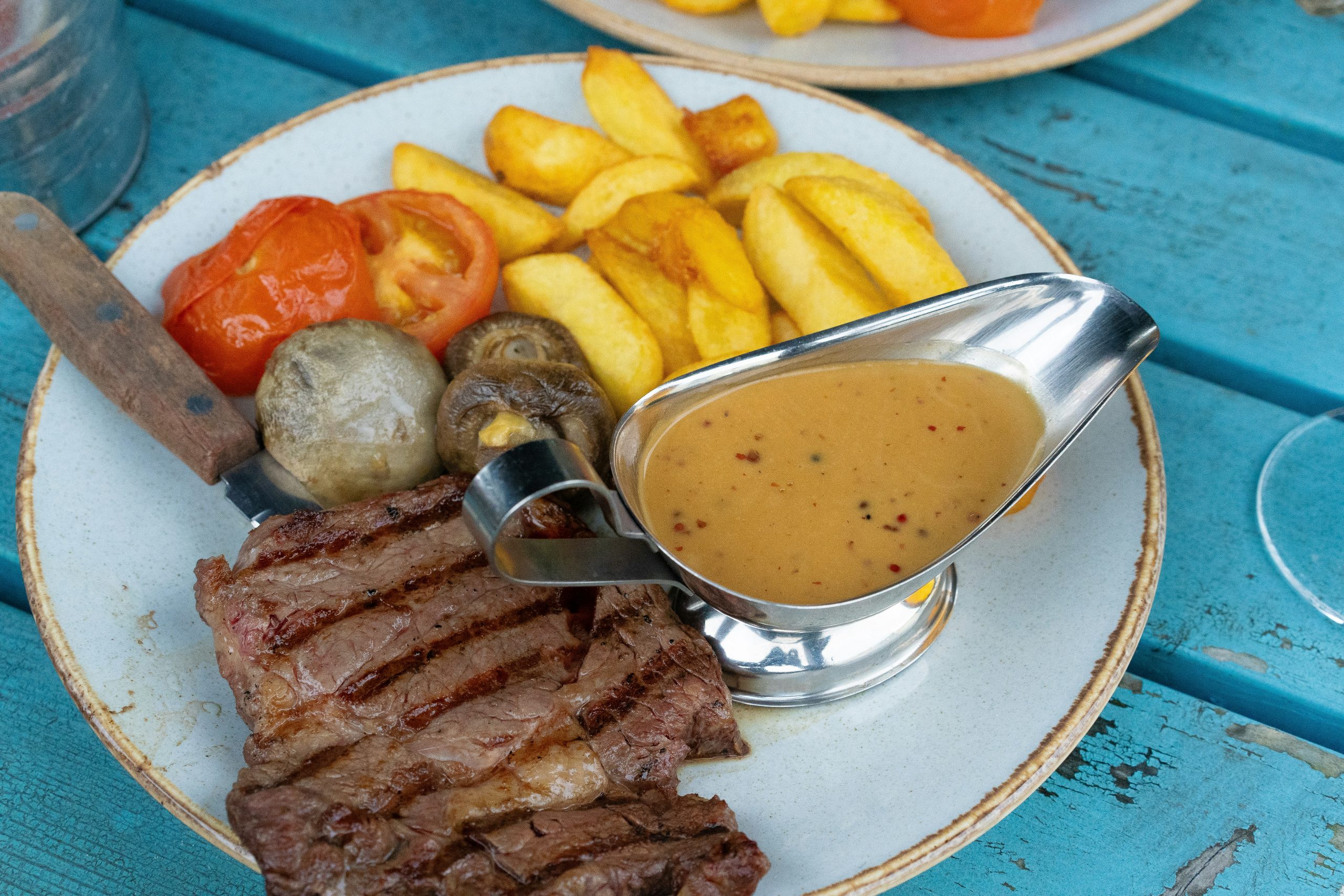
Churrasco, the beloved Brazilian barbecue, has its roots deeply embedded in the culture of the gauchos, the skilled horsemen and cattle herders of the Pampas region. This traditional cooking method dates back to the 18th century when gauchos would gather around open fires to grill cuts of beef, often using simple tools and techniques. The gauchos, known for their rugged lifestyle and connection to the land, developed a unique way of preparing meat that emphasized the natural flavors and quality of the beef.
The use of salt as the primary seasoning allowed the meat’s inherent taste to shine through, creating a culinary experience that was both rustic and satisfying. As the gauchos roamed the vast grasslands, they would often cook large cuts of meat over an open flame, a practice that not only provided sustenance but also fostered a sense of community. These gatherings became social events where stories were shared, and bonds were formed.
The tradition of churrasco is not merely about food; it embodies a way of life that celebrates camaraderie, family, and the rich cultural heritage of Brazil. Over time, this practice evolved, incorporating various regional influences while maintaining its core essence rooted in gaucho tradition.
Key Takeaways
- Churrasco originated as a Gaucho tradition in South America, where gauchos would gather and cook meat over open flames.
- Indigenous and African culinary traditions have heavily influenced the flavors and cooking techniques of churrasco, leading to a diverse and rich culinary heritage.
- Churrasco has spread across Brazil and beyond, becoming a staple in many South American countries and gaining popularity worldwide.
- Churrascarias play a significant role in Brazilian culture, serving as social gathering places where people come together to enjoy a variety of grilled meats.
- Churrasco has evolved from street food to fine dining, with modern churrascarias offering a more upscale and refined dining experience.
The Influence of Indigenous and African Culinary Traditions
Indigenous Roots
Indigenous peoples contributed a wealth of knowledge about local ingredients, cooking techniques, and flavors that have become integral to Brazilian cuisine. For instance, the use of native herbs and spices, such as cilantro and garlic, has enriched the flavor profiles of many dishes, including churrasco. These ingredients not only enhance the taste but also reflect the deep connection between food and nature that indigenous cultures have long embraced.
African Influences
African culinary traditions also left an indelible mark on Brazilian cuisine, particularly through the influence of enslaved Africans who were brought to Brazil during the colonial period. Their cooking methods and flavor preferences blended seamlessly with indigenous and European practices, resulting in a unique culinary identity. The incorporation of techniques such as marinating meats and using palm oil in various dishes can be traced back to these African roots.
A Fusion of Flavors
This fusion of flavors and techniques has contributed to the evolution of churrasco, making it a dish that celebrates Brazil’s multicultural heritage while remaining true to its origins.
The Spread of Churrasco Across Brazil and Beyond

As Brazil expanded and modernized, so too did the popularity of churrasco. What began as a regional specialty in the southern states quickly spread throughout the country, becoming a beloved national dish. Each region added its own twist to the traditional preparation methods, resulting in a diverse array of churrasco styles.
In the south, for example, gauchos continue to uphold traditional practices, while in urban areas like São Paulo and Rio de Janeiro, churrascarias emerged as popular dining establishments where patrons could enjoy an all-you-can-eat experience featuring various cuts of meat served by skilled passadores. The allure of churrasco has transcended Brazil’s borders, captivating food enthusiasts around the world. As Brazilian immigrants settled in different countries, they brought their culinary traditions with them, introducing churrasco to new audiences.
Today, you can find churrascarias in cities across North America, Europe, and beyond, each offering a taste of Brazil’s rich culinary heritage. This global spread has not only popularized churrasco but has also sparked interest in Brazilian culture and traditions, fostering a greater appreciation for the art of grilling.
The Role of Churrascarias in Brazilian Culture
| Aspect | Information |
|---|---|
| Origin | Churrascarias originated in the southern region of Brazil, particularly in the state of Rio Grande do Sul. |
| Meat Selection | Churrascarias offer a wide variety of meats, including beef, pork, chicken, and lamb, which are typically cooked on a skewer over an open flame. |
| Gaucho Tradition | The churrasco style of cooking is closely associated with the Gaucho culture, where the meat is seasoned with coarse salt and slowly cooked over a wood fire. |
| Buffet Style | Many churrascarias operate on a buffet-style system, where customers can help themselves to a variety of side dishes and salads to accompany the grilled meats. |
| Social Gathering | Churrascarias are often a gathering place for friends and family, where the communal style of dining encourages conversation and conviviality. |
Churrascarias hold a special place in Brazilian culture as social hubs where friends and family gather to celebrate life’s moments over delicious food. These establishments are characterized by their unique dining experience, where servers roam the restaurant with skewers of various meats, carving them directly onto diners’ plates. This interactive style of dining creates an atmosphere of festivity and camaraderie, making churrascarias ideal venues for celebrations such as birthdays, anniversaries, and family reunions.
Beyond their role as dining establishments, churrascarias serve as cultural ambassadors for Brazil. They showcase not only the culinary delights of churrasco but also the warmth and hospitality that define Brazilian culture. Many churrascarias feature live music or traditional dance performances, further immersing guests in the vibrant spirit of Brazil.
This combination of food and entertainment creates an unforgettable experience that leaves a lasting impression on both locals and visitors alike.
The Modernization of Churrasco: From Street Food to Fine Dining
In recent years, churrasco has undergone a transformation from its humble origins as street food to a sophisticated dining experience found in upscale restaurants. This evolution reflects changing consumer preferences and a growing appreciation for high-quality ingredients and culinary craftsmanship. Modern churrascarias now emphasize not only the quality of the meat but also innovative cooking techniques and presentation styles that elevate the dining experience.
Chefs are experimenting with different cuts of meat, marinades, and cooking methods to create unique flavor profiles that appeal to contemporary palates. Additionally, many establishments are incorporating farm-to-table practices by sourcing their ingredients from local farms and purveyors. This commitment to quality and sustainability resonates with diners who seek authentic culinary experiences that align with their values.
As a result, modern churrasco has become synonymous with fine dining while still honoring its traditional roots.
The Impact of Churrasco on International Cuisine

Adapting Churrasco to Local Flavors
From food trucks serving Brazilian-style skewers to upscale restaurants offering fusion dishes that blend churrasco with local flavors, the versatility of this cooking method is evident. Moreover, churrasco has sparked interest in Brazilian ingredients and cooking techniques among chefs and home cooks alike.
Brazilian Ingredients Go Global
Ingredients such as chimichurri sauce—a vibrant herb-based condiment—have gained popularity beyond Brazil’s borders, becoming staples in kitchens worldwide.
A Cross-Cultural Culinary Exchange
This cross-cultural exchange enriches global cuisine while showcasing the unique flavors and traditions that define Brazilian gastronomy.
Sustainability and Ethical Practices in Churrasco
As awareness of environmental issues grows, many churrascarias are adopting sustainable practices to minimize their impact on the planet. This shift is particularly important given the resource-intensive nature of meat production. Many establishments are prioritizing ethically sourced meats from farms that adhere to humane treatment standards and sustainable farming practices.
By supporting local farmers who prioritize animal welfare and environmental stewardship, churrascarias can contribute to a more sustainable food system. Additionally, some restaurants are exploring plant-based alternatives to traditional meat offerings, catering to diners who seek more sustainable options without sacrificing flavor. These innovations reflect a broader trend within the culinary world toward responsible sourcing and environmental consciousness.
By embracing sustainability in their operations, churrascarias can continue to celebrate the rich tradition of churrasco while ensuring its viability for future generations.
The Future of Churrasco: Innovation and Preservation of Tradition
Looking ahead, the future of churrasco lies in striking a balance between innovation and tradition. As chefs experiment with new flavors and techniques, it is essential to honor the cultural heritage that underpins this beloved dish. This means preserving traditional methods while also embracing modern culinary trends that resonate with contemporary diners.
The rise of technology in the culinary world presents exciting opportunities for innovation within churrasco preparation. From advanced grilling equipment to digital platforms for sharing recipes and experiences, these tools can enhance both the cooking process and the dining experience. However, it is crucial to maintain a connection to the roots of churrasco by celebrating its history and cultural significance.
In conclusion, churrasco is more than just a method of cooking; it is a celebration of Brazilian culture that has evolved over centuries while remaining true to its origins. As it continues to gain popularity both locally and internationally, there is an opportunity for chefs and restaurateurs to innovate while preserving the traditions that make this dish so special. By embracing sustainability and ethical practices alongside culinary creativity, the future of churrasco promises to be as rich and flavorful as its past.