
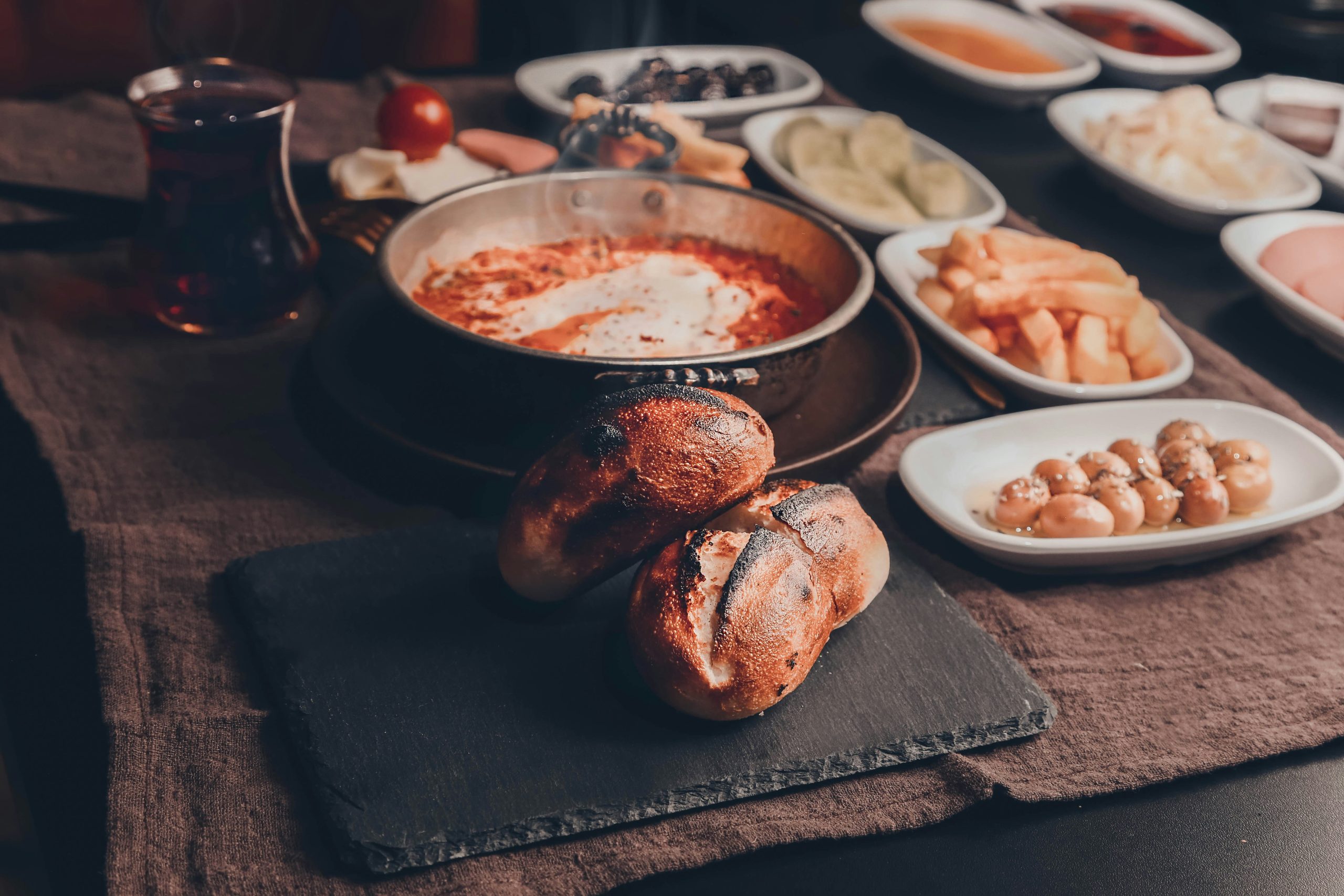
Brazil’s culinary heritage is a vibrant tapestry woven from the threads of its diverse cultures and rich history. The country’s cuisine reflects the influences of its indigenous peoples, African slaves, and European colonizers, creating a unique gastronomic landscape that is both complex and inviting. Each region of Brazil boasts its own specialties, shaped by local ingredients, traditions, and customs.
This rich culinary heritage is not just about food; it is a reflection of Brazil’s identity, showcasing the resilience and creativity of its people. The evolution of Brazilian cuisine can be traced back to the indigenous tribes who first inhabited the land, utilizing native ingredients such as cassava, corn, and various fruits. With the arrival of Portuguese colonizers in the 16th century, new ingredients like sugarcane and spices were introduced, further enriching the culinary landscape.
The forced migration of African slaves brought additional flavors and cooking techniques, resulting in a fusion that defines Brazilian cuisine today. This blend of influences has created a culinary heritage that is celebrated not only in Brazil but also around the world.
Key Takeaways
- Brazil has a rich culinary heritage influenced by indigenous, African, and European cultures.
- The unique flavors of Brazilian cuisine are a result of the diverse ingredients and cooking techniques used in traditional dishes.
- Traditional Brazilian dishes like feijoada and churrasco showcase the importance of family and community in Brazilian dining.
- The influence of indigenous, African, and European cultures can be seen in the ingredients and cooking methods used in Brazilian cuisine.
- Brazilian dining culture has evolved to include street food and casual dining, reflecting the regional variations of Brazilian cuisine.
The Unique Flavors of Brazilian Cuisine
Fresh and Local Ingredients
One of the most distinctive aspects of Brazilian cooking is its use of fresh, local produce. From tropical fruits like acai and guava to vegetables such as okra and pumpkin, the abundance of natural ingredients allows for a wide range of flavors and textures.
Aromatic Flavors
The use of spices and herbs, such as cilantro, garlic, and cumin, adds depth to many dishes, making each bite a delightful experience. These aromatic flavors enhance the natural taste of the ingredients, creating a truly unique culinary experience.
The Art of Grilling
Another hallmark of Brazilian cuisine is its emphasis on grilling and barbecuing. The traditional method of cooking meat over an open flame, known as churrasco, is a beloved practice that showcases the country’s passion for high-quality cuts of beef, pork, and chicken. The grilling process not only enhances the natural flavors of the meat but also creates a social atmosphere where friends and family gather to enjoy a meal together.
Traditional Brazilian Dishes and Ingredients

When exploring traditional Brazilian dishes, one cannot overlook the iconic feijoada, a hearty black bean stew typically made with various cuts of pork and beef. This dish is often served with rice, collard greens, and orange slices, creating a harmonious balance of flavors and textures. Feijoada is more than just a meal; it is a cultural symbol that represents the blending of different culinary traditions in Brazil.
Traditionally enjoyed on Wednesdays or Saturdays, feijoada brings families and friends together for a leisurely meal that celebrates community. Another staple in Brazilian cuisine is pão de queijo, a delightful cheese bread made from tapioca flour and cheese. These small, chewy rolls are often enjoyed as a snack or breakfast item and are beloved for their unique texture and flavor.
Additionally, dishes like moqueca—a fragrant fish stew made with coconut milk, tomatoes, and peppers—showcase Brazil’s coastal influences and highlight the country’s rich seafood offerings. Each dish tells a story, reflecting the diverse regions and cultures that have shaped Brazil’s culinary landscape.
The Influence of Indigenous, African, and European Cultures on Brazilian Cuisine
| Culture | Influence on Brazilian Cuisine |
|---|---|
| Indigenous | Introduction of ingredients such as cassava, corn, and fruits. Use of cooking techniques like grilling and smoking. |
| African | Impact on flavors and spices, introduction of dishes like feijoada and acarajé. Influence on cooking methods such as stewing and frying. |
| European | Introduction of ingredients like wheat, sugar, and dairy products. Influence on baking techniques and the use of seasonings like parsley and garlic. |
The interplay between indigenous, African, and European cultures has profoundly influenced Brazilian cuisine, resulting in a unique culinary identity that is both rich and diverse. Indigenous peoples contributed foundational ingredients such as cassava, corn, and various fruits that remain staples in Brazilian cooking today. Their cooking techniques and methods of food preparation laid the groundwork for many traditional dishes that continue to be enjoyed across the country.
The African influence on Brazilian cuisine is particularly significant due to the large number of enslaved Africans brought to Brazil during the colonial period. They introduced new ingredients like okra and palm oil while also shaping cooking methods that emphasized communal eating and sharing. Dishes such as acarajé—a deep-fried ball made from black-eyed peas—are direct descendants of African culinary traditions.
Meanwhile, European colonizers brought their own flavors and techniques to Brazil, introducing ingredients like sugarcane and spices that would become integral to many Brazilian dishes. This fusion of cultures has created a culinary landscape that is both dynamic and reflective of Brazil’s history.
The Importance of Family and Community in Brazilian Dining
In Brazil, dining is not merely about sustenance; it is an essential social activity that fosters connections among family and friends. Meals are often seen as an opportunity to gather together, share stories, and celebrate life’s moments—big or small. The importance of family in Brazilian dining culture is evident in the way meals are prepared and enjoyed.
Traditional recipes are often passed down through generations, with each family adding their own unique touch to beloved dishes. Community plays a vital role in Brazilian dining as well. Festivals and gatherings often revolve around food, with street vendors offering an array of delicious snacks that bring people together.
Whether it’s enjoying a casual meal at a local churrascaria or participating in a festive celebration featuring traditional dishes, food serves as a unifying force in Brazilian culture. This emphasis on community dining fosters a sense of belonging and connection that transcends individual experiences.
The Role of Churrasco and Feijoada in Brazilian Dining Culture

Churrasco holds a special place in Brazilian dining culture as it embodies the spirit of celebration and togetherness. This traditional barbecue style involves grilling various cuts of meat over an open flame or charcoal pit, often accompanied by an array of side dishes such as rice, beans, salads, and farofa (toasted cassava flour). The act of grilling meat becomes a communal event where friends and family gather around the grill to enjoy not only the food but also each other’s company.
Feijoada is another cornerstone of Brazilian dining culture that reflects the country’s rich culinary heritage. This hearty black bean stew is often considered the national dish of Brazil and is typically served on special occasions or during family gatherings. The preparation of feijoada can be a labor-intensive process that involves slow-cooking various cuts of meat with black beans for several hours.
The result is a flavorful dish that brings people together around the table for a shared experience filled with laughter and conversation.
The Rise of Brazilian Street Food and Casual Dining
In recent years, Brazilian street food has gained popularity both within Brazil and internationally. Street vendors offer an array of delicious snacks that reflect the country’s diverse culinary influences while providing an accessible way for people to enjoy traditional flavors on the go. From coxinhas (chicken croquettes) to pastel (fried pastries filled with various ingredients), these street foods capture the essence of Brazilian cuisine in bite-sized portions.
Casual dining establishments have also emerged as popular venues for enjoying authentic Brazilian cuisine without the formality of traditional dining experiences. These restaurants often focus on delivering high-quality dishes in a relaxed atmosphere where patrons can savor their meals at their own pace. This shift towards casual dining allows for greater accessibility to Brazilian flavors while maintaining the communal spirit that defines Brazilian dining culture.
Exploring the Regional Variations of Brazilian Cuisine
Brazil’s vast geography contributes to its rich culinary diversity, with each region offering unique flavors and dishes influenced by local ingredients and cultural traditions. In the North, for example, Amazonian ingredients such as fish from the Amazon River are commonly featured in regional dishes like tacacá—a soup made with jambu leaves and dried shrimp. The Northeast region showcases bold flavors with dishes like acarajé and moqueca de peixe (fish stew), highlighting the influence of African culinary traditions.
In contrast, Southern Brazil is known for its hearty meat dishes influenced by European immigrants who settled in the region. The famous chimichurri sauce often accompanies grilled meats in this area, showcasing the region’s love for barbecue culture. Each region’s distinct culinary offerings reflect not only local ingredients but also the cultural heritage that has shaped Brazil’s diverse gastronomic landscape over time.
In conclusion, Brazil’s culinary heritage is a rich tapestry woven from indigenous, African, and European influences that create a unique dining experience filled with flavor and tradition. From traditional dishes like feijoada to communal gatherings centered around churrasco, food plays an integral role in Brazilian culture—bringing families and communities together while celebrating their shared history through vibrant flavors and cherished recipes. As Brazilian cuisine continues to evolve with modern influences while honoring its roots, it remains an essential part of Brazil’s identity—one delicious bite at a time.
If you’re looking to indulge in an authentic Brazilian dining experience, you should check out the article “Indulge in Authentic Brazilian Steakhouse at Deerfield Beach”. This article provides insights into a Brazilian steakhouse that offers a true taste of Brazil. With its delicious meats and traditional dishes, you’ll feel like you’ve been transported to Brazil with every bite.
FAQs
What is an authentic Brazilian dining experience?
An authentic Brazilian dining experience involves enjoying traditional Brazilian cuisine in a setting that reflects the culture and atmosphere of Brazil. This may include dishes such as feijoada, churrasco, and coxinha, as well as live music, vibrant decor, and a lively atmosphere.
What are some popular dishes in Brazilian cuisine?
Some popular dishes in Brazilian cuisine include feijoada (a stew of beans with beef and pork), churrasco (barbecue), coxinha (chicken croquettes), pão de queijo (cheese bread), and moqueca (fish stew).
What are some key elements of an authentic Brazilian dining experience?
Key elements of an authentic Brazilian dining experience may include a variety of grilled meats, a buffet of traditional Brazilian dishes, live music such as samba or bossa nova, and a lively and festive atmosphere.
What should I expect from the atmosphere of an authentic Brazilian restaurant?
The atmosphere of an authentic Brazilian restaurant is often lively and vibrant, with colorful decor, lively music, and a warm and welcoming ambiance. It may also include elements of Brazilian culture such as dance performances or traditional music.
What are some tips for enjoying an authentic Brazilian dining experience?
Some tips for enjoying an authentic Brazilian dining experience include being open to trying new and unfamiliar dishes, embracing the lively atmosphere and music, and taking the time to savor the flavors and textures of traditional Brazilian cuisine.