Churrasco, a term that evokes images of sizzling meats and vibrant gatherings, has its roots deeply embedded in the culture of South America, particularly in Brazil. The tradition of grilling meat dates back to the indigenous peoples who inhabited the region long before European colonization. These early inhabitants utilized open flames to cook their game, a practice that would eventually evolve into the beloved churrasco we know today.
As European settlers arrived, they brought with them their culinary techniques and livestock, which further enriched the grilling tradition. The combination of indigenous methods and European influences laid the groundwork for what would become a national culinary treasure. In Brazil, churrasco is more than just a meal; it is a social event that brings families and friends together.
The communal aspect of sharing grilled meats is central to Brazilian culture, where gatherings often revolve around food. The gauchos, or cowboys of the Pampas region, played a significant role in popularizing churrasco by perfecting the art of grilling over open flames. They would often cook large cuts of meat on skewers, allowing the juices to flow and infuse the meat with flavor.
This tradition has been passed down through generations, making churrasco a symbol of Brazilian hospitality and culinary pride.
Key Takeaways
- Churrasco originated in South America as a tradition of grilling meat, particularly in countries like Brazil, Argentina, and Uruguay.
- The essential ingredients for authentic churrasco include high-quality cuts of meat, coarse salt, and fire for grilling.
- Different cuts of meat used in churrasco include picanha (rump cap), fraldinha (flank steak), and costela (ribs), each offering unique flavors and textures.
- Marinades and seasonings play a crucial role in churrasco, with popular choices including garlic, lime juice, and various herbs and spices.
- The art of grilling in churrasco involves techniques such as using skewers for cooking, as well as specialized equipment like churrasqueiras (barbecue pits) and parrillas (grills).
The Essential Ingredients for Authentic Churrasco
The Star of the Show: Meat
The centerpiece of any churrasco is, of course, the meat. In Brazil, various cuts are favored for their flavor and tenderness, including picanha (top sirloin), fraldinha (flank steak), and costela (beef ribs). Each cut brings its unique texture and taste to the table, making it essential to choose wisely based on personal preference.
Quality Matters
The quality of the meat is paramount; sourcing from reputable butchers or farms ensures that the flavors are rich and satisfying. This attention to detail is crucial in achieving the authentic taste of churrasco.
Seasoning to Perfection
Traditionally, Brazilian churrasco is seasoned simply with coarse salt, allowing the natural flavors of the meat to shine through. However, some regions may incorporate additional spices or marinades to enhance the flavor profile. Fresh herbs like rosemary or thyme can be used to complement the meat’s richness, while garlic and lime juice can add a zesty kick. The balance of these ingredients is key to creating a memorable churrasco experience that honors its origins while appealing to modern palates.
The Different Cuts of Meat Used in Churrasco

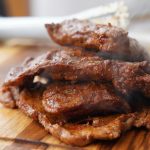
The variety of cuts used in churrasco is one of its most appealing aspects, offering something for every meat lover. Picanha is perhaps the most iconic cut associated with Brazilian barbecue; it is known for its rich flavor and tender texture. This cut comes from the top of the sirloin and is often served with a layer of fat that enhances its juiciness when grilled.
Another popular choice is fraldinha, which is cut from the flank and has a robust flavor that pairs beautifully with traditional sides like farofa and vinaigrette. In addition to these favorites, costela (beef ribs) is a must-try for those who enjoy a more indulgent option. When cooked low and slow over an open flame, costela becomes incredibly tender and flavorful, making it a highlight at any churrasco gathering.
Other cuts such as alcatra (top sirloin) and maminha (tri-tip) also make appearances on the grill, each contributing its unique characteristics to the overall feast. The diversity of cuts not only showcases the skill of the grill master but also allows guests to explore different flavors and textures throughout the meal.
The Importance of Marinades and Seasonings in Churrasco
| Marinades and Seasonings | Importance |
|---|---|
| Enhances Flavor | Brings out the natural flavors of the meat |
| Tenderizes Meat | Helps to break down tough muscle fibers |
| Moisturizes Meat | Keeps the meat juicy and prevents it from drying out |
| Infuses Aromatics | Imparts additional aroma and depth of flavor |
| Customization | Allows for personalization of flavor profiles |
While traditional churrasco often relies on simple seasoning with salt, marinades can elevate the experience by adding depth and complexity to the meat. A well-crafted marinade can infuse flavors into the meat while also tenderizing it, resulting in a more succulent bite. Common ingredients for marinades include garlic, olive oil, vinegar, and citrus juices, which work together to create a harmonious blend that enhances the natural flavors of the meat.
In addition to marinades, various seasonings can be used to complement specific cuts of meat. For instance, a sprinkle of chimichurri—a vibrant sauce made from parsley, garlic, vinegar, and oil—can add a refreshing contrast to richer cuts like picanha. Similarly, a touch of smoked paprika or cumin can introduce an exciting twist to traditional flavors.
The key is to strike a balance between enhancing the meat’s natural taste while still allowing it to shine as the star of the show.
The Art of Grilling: Techniques and Equipment Used in Churrasco
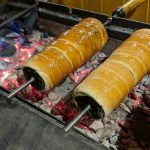
Grilling churrasco is an art form that requires skill and attention to detail. The traditional method involves cooking over an open flame or charcoal grill, which imparts a distinct smoky flavor that cannot be replicated by gas grills. Many churrasqueiras (grill setups) are designed specifically for this purpose, featuring skewers that allow for even cooking and easy rotation of the meat.
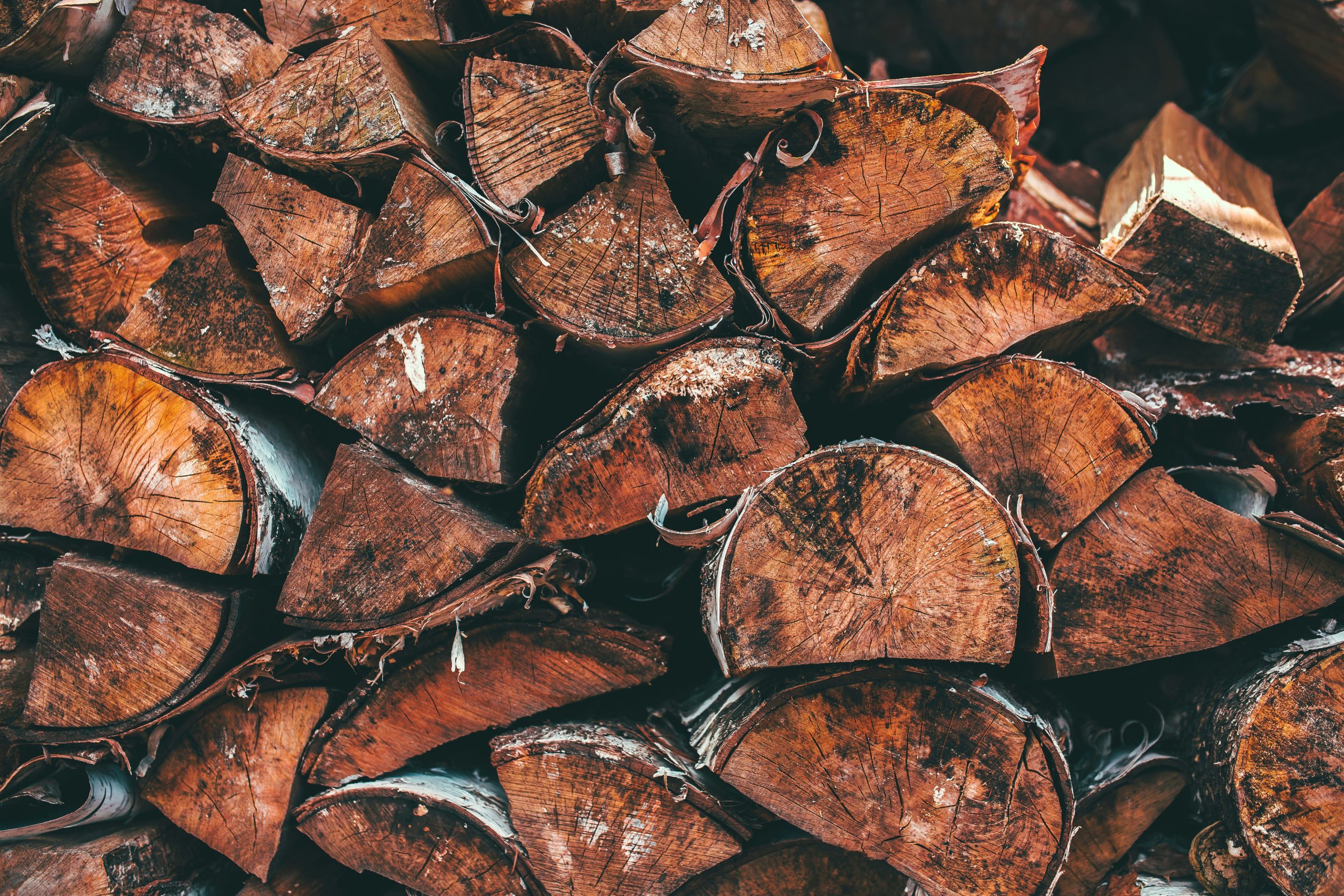
The use of wood or charcoal not only provides heat but also contributes to the overall flavor profile. Temperature control is crucial when grilling churrasco; different cuts require different cooking times to achieve optimal tenderness. For example, thicker cuts like costela may need longer cooking times at lower temperatures to break down connective tissues, while thinner cuts like fraldinha can be cooked quickly over high heat for a delicious sear.
Grill masters often rely on their instincts and experience to determine when the meat is perfectly cooked—an essential skill that comes with practice.
Side Dishes and Accompaniments for Churrasco

Traditional Favorites
No churrasco experience is complete without an array of delicious side dishes that complement the grilled meats. Traditional accompaniments include farofa—a toasted cassava flour mixture often enriched with bacon or vegetables—and vinaigrette, a fresh salsa made from tomatoes, onions, and bell peppers dressed in vinegar and oil.
Adding Color and Nutrition
Grilled vegetables such as peppers, onions, and zucchini are popular choices that add color and nutrition to the table. A refreshing salad can also serve as a palate cleanser between bites of rich meat.
A Brazilian-Style Feast
In many Brazilian steakhouses, diners can expect a buffet-style spread featuring these sides alongside rice and beans—staples in Brazilian cuisine that round out the meal beautifully.
Churrasco Around South America: Regional Variations and Specialties
While Brazil is renowned for its churrasco tradition, other South American countries have their own unique takes on grilled meat that reflect local ingredients and cultural influences. In Argentina, for example, asado is a beloved tradition that emphasizes slow-cooked meats over an open fire. The Argentine approach often includes a variety of sausages like chorizo and morcilla (blood sausage), showcasing regional flavors that differ from Brazilian churrasco.
In Uruguay, asado is similarly celebrated but may feature different cuts or cooking techniques. The emphasis on communal dining remains consistent across these cultures; families gather around large grills to enjoy not only the food but also each other’s company. Each country’s interpretation of grilled meat tells a story about its people and traditions, highlighting how food can serve as a bridge between cultures.
The Modern Evolution of Churrasco: Fusion and Innovation in Grilled Meat Cuisine
As culinary trends continue to evolve, so too does the tradition of churrasco. Modern chefs are experimenting with fusion cuisine by incorporating international flavors into traditional grilling techniques. For instance, some may marinate meats in Asian-inspired sauces or serve them alongside unique dipping sauces that draw from global influences.
This innovation allows for new interpretations of classic dishes while still honoring their roots. Moreover, vegetarian and vegan options are becoming increasingly popular within the churrasco framework. Grilled vegetables, plant-based proteins, and creative sides are being introduced to cater to diverse dietary preferences without sacrificing flavor or experience.
This evolution reflects a broader trend in gastronomy where traditional practices are adapted to meet contemporary tastes while still celebrating their origins. In conclusion, churrasco represents more than just grilled meat; it embodies a rich cultural heritage that spans generations and borders. From its origins among indigenous peoples to its modern interpretations in restaurants around the world, this beloved tradition continues to bring people together over shared meals and experiences.
Whether enjoyed at a family gathering or in a bustling steakhouse, churrasco remains a testament to the power of food as a unifying force in our lives.
If you’re a fan of churrasco meat, you’ll definitely want to check out the events and locations offered by Pampa Gaucho Brazilian Steakhouse. They offer a unique dining experience where you can enjoy a variety of grilled meats served tableside. For more information on their events and locations, visit their website here.
FAQs
What is churrasco meat?
Churrasco meat refers to a style of barbecue that originated in the southern regions of Brazil, Argentina, Uruguay, and Paraguay. It typically involves grilling various cuts of meat, often skewered and cooked over an open flame.
What cuts of meat are commonly used for churrasco?
Common cuts of meat used for churrasco include sirloin, rump steak, flank steak, ribeye, and sausage. These cuts are often seasoned with salt and sometimes other spices before being grilled.
What is the traditional cooking method for churrasco meat?
The traditional cooking method for churrasco meat involves grilling the meat over an open flame, often on a skewer or spit. The meat is typically cooked to medium-rare or medium doneness to preserve its juiciness and flavor.
What is the flavor profile of churrasco meat?
Churrasco meat is known for its rich, smoky flavor that comes from being cooked over an open flame. The seasoning, typically just salt, enhances the natural flavors of the meat without overpowering it.
What are some popular accompaniments to churrasco meat?
Popular accompaniments to churrasco meat include chimichurri sauce, a tangy and herbaceous condiment, as well as grilled vegetables, rice, and beans. In Brazil, it is also common to serve churrasco with farofa, a toasted cassava flour mixture.