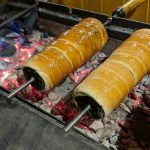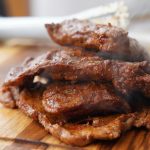

Rodizio dining is a unique and immersive culinary experience that originates from Brazil, characterized by its all-you-can-eat style of serving various cuts of meat. In a traditional rodizio, diners are treated to a continuous parade of skewered meats, expertly grilled and carved tableside by skilled servers known as gauchos. This method of dining not only emphasizes the quality and variety of the meats but also creates an engaging atmosphere where guests can savor each cut at their own pace.
The term “rodizio” itself translates to “rotation,” which aptly describes the way the meats are presented and served throughout the meal. The allure of rodizio dining lies in its communal and festive nature. Guests are encouraged to indulge in a wide array of flavors, textures, and cooking styles, making it a perfect choice for gatherings, celebrations, or simply a night out with friends and family.
The experience is designed to be leisurely, allowing diners to enjoy each course while engaging in conversation and enjoying the ambiance of the restaurant. With its roots deeply embedded in Brazilian culture, rodizio dining has gained popularity worldwide, offering a taste of Brazil’s rich culinary heritage to food enthusiasts everywhere.
Key Takeaways
- Rodizio dining is a Brazilian style of all-you-can-eat restaurant service where servers bring skewers of meat to your table and carve it directly onto your plate.
- Rodizio dining has its roots in the 1800s in Brazil, where it was a traditional way of cooking and serving meat.
- The rodizio dining experience involves a continuous flow of different cuts of meat, from beef to pork to chicken, served by passadores (meat waiters) who move from table to table.
- Different cuts of meat served at a rodizio restaurant include picanha (top sirloin), filet mignon, ribeye, and lamb chops, among others.
- Gauchos, or Brazilian cowboys, play a key role in rodizio dining by grilling and serving the meat to diners.
The History of Rodizio Dining
The origins of rodizio dining can be traced back to the southern regions of Brazil, particularly in the state of Rio Grande do Sul, where the tradition of churrasco, or barbecue, is deeply ingrained in the local culture. Historically, gauchos—skilled horsemen and cattle herders—would prepare large cuts of meat over open flames during cattle drives. This method of cooking not only provided sustenance for the gauchos but also fostered a sense of community as they gathered around the fire to share meals.
Over time, this practice evolved into the rodizio dining style we know today, where the emphasis on communal eating and high-quality meats became central to the experience. As Brazilian immigrants began to settle in various parts of the world, they brought their culinary traditions with them, leading to the establishment of churrascarias—restaurants specializing in rodizio dining. These establishments quickly gained popularity in cities across North America and beyond, attracting diners eager to experience the vibrant flavors and social aspects of Brazilian cuisine.
Today, rodizio dining is celebrated not only for its delicious offerings but also for its cultural significance, representing a fusion of history, tradition, and community that continues to thrive in modern dining settings.
The Rodizio Dining Experience
Entering a rodizio restaurant is akin to stepping into a lively celebration of flavors and aromas. The atmosphere is often vibrant and welcoming, with warm lighting and rustic decor that reflects Brazilian culture. Upon being seated, guests are typically greeted with a selection of freshly baked bread and traditional accompaniments like chimichurri sauce—a zesty blend of herbs and spices that perfectly complements grilled meats.

The excitement builds as diners prepare for the main event: the arrival of the gauchos with their skewers of succulent meats. Throughout the meal, gauchos circulate among the tables, offering an impressive variety of meats cooked to perfection over an open flame. Diners can expect to see everything from tender picanha (top sirloin) to flavorful lamb chops and juicy chicken legs.
Each cut is expertly carved right at the table, allowing guests to choose their preferred portion sizes. The experience is designed to be interactive; diners can signal when they would like more meat or take a break by flipping a card from green to red. This unique approach not only enhances the enjoyment of the meal but also fosters a sense of connection between diners and servers, creating an unforgettable dining experience.
The Different Cuts of Meat
| Cut of Meat | Description |
|---|---|
| Ribeye | A flavorful and tender cut from the rib section of the cow. |
| Sirloin | A lean and juicy cut from the lower back of the cow. |
| Tenderloin | One of the most tender cuts, located near the spine of the cow. |
| Chuck | A versatile and flavorful cut from the shoulder of the cow. |
| Brisket | A tough but flavorful cut from the breast section of the cow. |
One of the highlights of rodizio dining is the impressive selection of meats available for guests to enjoy. Each cut has its own distinct flavor profile and texture, showcasing the skillful preparation methods used by the gauchos. Among the most popular cuts served at rodizio restaurants is picanha, a flavorful cut from the top sirloin that is often seasoned simply with salt before being grilled to perfection.
Its rich taste and tender texture make it a favorite among meat lovers. Other notable cuts include fraldinha (flank steak), which is known for its robust flavor and juiciness; costela (beef ribs), which are slow-cooked until tender; and alcatra (top sirloin), which offers a balance of tenderness and flavor. Poultry options such as chicken hearts and marinated chicken legs are also commonly featured, providing a diverse range of tastes for diners to explore.
Additionally, many rodizio restaurants offer pork options like pork loin or sausage, ensuring that there is something for everyone to enjoy. The variety of cuts available allows guests to embark on a culinary journey through Brazil’s rich barbecue traditions.
The Role of the Gauchos
Gauchos play an integral role in the rodizio dining experience, serving not only as skilled meat carvers but also as ambassadors of Brazilian culture. Dressed in traditional attire that often includes wide-brimmed hats and boots, these servers bring an authentic touch to the meal as they navigate between tables with their skewers of grilled meats. Their expertise in cooking and carving ensures that each cut is served at its peak flavor and tenderness, enhancing the overall dining experience.
Beyond their culinary skills, gauchos contribute to the lively atmosphere of rodizio restaurants through their engaging personalities and interactions with diners. They often share stories about the origins of each cut or offer recommendations based on guests’ preferences. This personal touch adds an element of warmth and hospitality that is characteristic of Brazilian culture.
As diners enjoy their meals, gauchos create a sense of camaraderie by encouraging guests to try different cuts and flavors, making each visit feel like a celebration among friends.
The Salad Bar and Sides

Fresh Salads and Traditional Brazilian Delights
While the focus of rodizio dining is undoubtedly on the grilled meats, many restaurants also feature an extensive salad bar that complements the main offerings. The salad bar typically includes a variety of fresh greens, vegetables, cheeses, and traditional Brazilian salads such as farofa (toasted cassava flour) and vinagrete (a tangy tomato-onion vinaigrette). This array allows diners to create their own salads or enjoy light bites between servings of meat.
Hearty Sides to Enhance the Meal
In addition to salads, side dishes play a crucial role in enhancing the overall dining experience. Popular options include rice, black beans, fried plantains, and polenta—all staples in Brazilian cuisine that provide balance to the rich flavors of grilled meats. These sides not only add variety but also help cleanse the palate between different cuts of meat.
A Well-Rounded Meal for a Satisfying Experience
The combination of fresh salads and hearty sides ensures that diners have a well-rounded meal that satisfies both their hunger and their taste buds.
Beverage Options at a Rodizio Restaurant
To complement the rich flavors of rodizio dining, beverage options are carefully curated to enhance the overall experience. Many rodizio restaurants offer an impressive selection of wines, particularly those from Brazil’s renowned wine regions such as Vale dos Vinhedos. These wines pair beautifully with grilled meats, providing a delightful contrast to the savory flavors on the plate.
Guests can choose from red wines like Malbec or Cabernet Sauvignon, which are known for their bold profiles that stand up well against hearty cuts. In addition to wine, many diners opt for traditional Brazilian beverages such as caipirinhas—refreshing cocktails made with cachaça (a sugarcane spirit), lime, and sugar. This iconic drink perfectly complements the vibrant flavors found in Brazilian cuisine while adding an element of festivity to the meal.
For those who prefer non-alcoholic options, fresh fruit juices or soft drinks are often available as well. The thoughtful selection of beverages ensures that every guest can find something to enjoy alongside their meal.
Tips for Enjoying a Rodizio Dining Experience
To make the most out of your rodizio dining experience, there are several tips to keep in mind that can enhance your enjoyment. First and foremost, come hungry! The all-you-can-eat nature of rodizio means that you’ll want to leave room for multiple servings of various cuts.
Pace yourself throughout the meal; it’s easy to get carried away with delicious offerings right from the start. Consider starting with lighter options from the salad bar before diving into heavier cuts of meat. Another helpful tip is to communicate with your gaucho servers about your preferences.
If you have specific cuts you’re eager to try or if you prefer your meat cooked to a certain level (rare, medium, well-done), don’t hesitate to let them know. They are there to ensure you have an enjoyable experience and will gladly accommodate your requests. Lastly, take your time!
Rodizio dining is meant to be a leisurely affair where you can savor each bite while enjoying good company—so relax and relish every moment spent at this unique culinary celebration.
If you are curious about how rodizio works, you may want to check out the Pampa Brazilian Steakhouse website. They offer a traditional rodizio dining experience where servers come to your table with various cuts of meat on skewers. This interactive dining style allows guests to try a variety of meats cooked to perfection. Additionally, you can visit their events page to see if they have any special rodizio nights or promotions. For a visual representation of what to expect at a rodizio restaurant, you can view their image post showcasing the delicious meats and vibrant atmosphere.
FAQs
What is rodizio?
Rodizio is a style of restaurant service common in Brazil and other Latin American countries, where waiters move from table to table with skewers of meat and carve portions for diners at their table.
How does rodizio work?
In a rodizio restaurant, diners typically pay a fixed price and are then able to sample a wide variety of meats, which are brought to the table and carved by the waiters. The meats are often served in a continuous rotation until the diner indicates that they are finished.
What types of meats are typically served at a rodizio restaurant?
Common meats served at a rodizio restaurant include beef, pork, chicken, lamb, and sausage. These meats are often seasoned and cooked on skewers over an open flame.
Are there other foods besides meat served at a rodizio restaurant?
In addition to the various meats, rodizio restaurants often offer a salad bar with a variety of fresh vegetables, cheeses, and other accompaniments. Some may also offer side dishes such as rice, beans, and fried bananas.
Is there a specific way to indicate to the waiters that I am finished with the meat service?
Typically, diners indicate that they are finished with the meat service by turning a small card on their table from green to red. This signals to the waiters that they do not wish to be served any more meat.