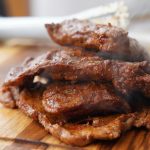

When it comes to dining out, few experiences can rival the excitement and indulgence of an all-you-can-eat feast, especially at a Brazilian steakhouse. This unique dining format allows guests to savor a variety of meats, sides, and salads, all served in a vibrant and lively atmosphere. The allure of an all-you-can-eat experience lies not only in the sheer volume of food available but also in the opportunity to explore different flavors and textures.
At a churrascaria, diners are treated to a culinary adventure that celebrates the rich traditions of Brazilian cuisine. The all-you-can-eat model encourages guests to try new dishes and flavors they may not have considered before. As servers, known as passadores, circulate through the dining area with skewers of perfectly grilled meats, patrons can sample a wide array of options, from succulent picanha to tender lamb chops.
This interactive dining experience fosters a sense of community and excitement, as guests share their favorites and encourage one another to step outside their culinary comfort zones. The all-you-can-eat format is not just about quantity; it’s about the joy of discovery and the celebration of food.
Key Takeaways
- The all-you-can-eat experience at a churrascaria offers a wide variety of meats and sides for a fixed price.
- A culinary journey through South America can be experienced through the diverse flavors and dishes offered at a churrascaria.
- The churrascaria menu typically includes a selection of meats such as picanha, sausage, and chicken, as well as traditional Brazilian sides.
- Traditional Brazilian barbecue techniques, such as slow-roasting meats over an open flame, are used to prepare the dishes at a churrascaria.
- The salad bar and sides at a churrascaria offer a variety of fresh and flavorful options to complement the meats.
- The rodizio dining experience at a churrascaria involves servers bringing skewers of meat to each table and carving them directly onto diners’ plates.
- Cocktails and beverages at a churrascaria often include traditional Brazilian drinks such as caipirinhas and guarana soda.
- Reservations are recommended for visiting a churrascaria, and diners should be prepared to tip the servers for their attentive tableside service.
A Culinary Journey Through South America
Dining at a Brazilian steakhouse is more than just a meal; it’s an immersive journey through the diverse culinary landscape of South America. Each dish tells a story, reflecting the rich cultural heritage and regional influences that shape Brazilian cuisine. From the lush Amazon rainforest to the sun-kissed beaches of Rio de Janeiro, the flavors found in a churrascaria are as varied as the landscapes of Brazil itself.
This culinary journey invites diners to explore the vibrant spices, fresh ingredients, and traditional cooking methods that define this beloved cuisine. As you embark on this gastronomic adventure, you’ll encounter dishes that highlight Brazil’s agricultural bounty. The use of fresh herbs, tropical fruits, and high-quality meats showcases the country’s commitment to flavor and quality.
Each bite transports you to a different region, whether it’s the spicy notes of a traditional feijoada or the sweetness of a ripe mango. The experience is not just about eating; it’s about connecting with the culture and history that make Brazilian cuisine so unique and beloved around the world.
The Churrascaria Menu
At the heart of any Brazilian steakhouse is its churrascaria menu, a carefully curated selection of meats that are expertly prepared and served with flair. The menu typically features an impressive array of cuts, including beef, pork, chicken, and lamb, each cooked to perfection over an open flame. The emphasis on quality is paramount; only the finest cuts are chosen for grilling, ensuring that every bite is tender and flavorful.

Diners can expect to find classics like picanha, a flavorful cut from the top sirloin, as well as lesser-known delights like fraldinha (flank steak) and costela (beef ribs). In addition to the meats, many churrascarias offer a variety of marinades and seasonings that enhance the natural flavors of the meat. From garlic and herbs to zesty citrus marinades, these flavor profiles add depth and complexity to each dish.
The menu often extends beyond meat to include seafood options, such as grilled shrimp or fish, providing something for everyone. With such a diverse selection available, guests can create their own personalized tasting experience, sampling different cuts and flavors until they find their favorites.
Traditional Brazilian Barbecue Techniques
| Technique | Description |
|---|---|
| Churrasco | A traditional Brazilian barbecue technique that involves grilling large cuts of meat on skewers over an open flame. |
| Picanha | A popular cut of beef in Brazil, known for its tender texture and rich flavor when grilled using the churrasco technique. |
| Farofa | A toasted cassava flour mixture often served as a side dish with traditional Brazilian barbecue, adding a crunchy texture and savory flavor. |
| Chimichurri | A tangy and herbaceous sauce made with parsley, garlic, vinegar, and oil, commonly used as a marinade or condiment for grilled meats. |
The art of Brazilian barbecue is steeped in tradition and skill, with techniques passed down through generations. At a churrascaria, diners can witness these time-honored methods in action as skilled chefs expertly grill meats over open flames or charcoal pits. One of the most iconic techniques is known as “churrasco,” which involves skewering large cuts of meat and cooking them slowly over an open flame.
This method not only imparts a delicious smoky flavor but also allows the meat to retain its natural juices, resulting in a tender and succulent dining experience. Another key aspect of traditional Brazilian barbecue is the use of rock salt during the cooking process. Chefs often coat the meat in coarse salt before grilling, which helps to enhance its flavor while creating a beautiful crust on the outside.
This simple yet effective technique highlights the quality of the meat itself, allowing its natural flavors to shine through without overwhelming it with heavy marinades or sauces. The result is a beautifully charred exterior that gives way to juicy, flavorful meat inside—a hallmark of authentic Brazilian barbecue.
The Salad Bar and Sides
While the focus at a Brazilian steakhouse may be on the grilled meats, the salad bar and side dishes play an equally important role in creating a well-rounded dining experience. A typical churrascaria salad bar is a vibrant display of fresh vegetables, grains, and traditional Brazilian accompaniments that complement the rich flavors of the meats. Diners can find an array of options, from crisp greens and colorful peppers to hearty grains like quinoa or farro.
This variety allows guests to create their own salads or enjoy lighter bites between servings of meat. In addition to salads, many Brazilian steakhouses offer traditional sides that enhance the overall meal. Popular options include pão de queijo (cheese bread), farofa (toasted cassava flour), and rice with black beans—staples in Brazilian cuisine that provide comforting flavors and textures.
These sides not only add depth to the meal but also reflect the cultural significance of communal dining in Brazil. Sharing dishes among friends and family is an integral part of the dining experience, fostering connection and camaraderie around the table.
The Rodizio Dining Experience

One of the most exciting aspects of dining at a Brazilian steakhouse is the rodizio experience—a unique style of service that allows guests to enjoy an endless parade of grilled meats brought directly to their table. As diners settle in, they are presented with a small card that indicates their preference for service: green for “bring me more” or red for “pause.” This interactive approach creates an engaging atmosphere where guests can indulge at their own pace while enjoying a variety of flavors. The rodizio experience is not just about quantity; it’s also about quality and presentation.
Servers expertly carve each cut of meat tableside, allowing diners to see and choose their preferred portions. This personalized service adds an element of theater to the meal, making it feel special and memorable. As guests sample different meats throughout their meal, they can discover new favorites while enjoying lively conversation with friends or family—a hallmark of Brazilian culture that emphasizes togetherness and celebration.
Cocktails and Beverages
No meal at a Brazilian steakhouse would be complete without exploring the vibrant cocktail menu that often accompanies it. Brazil is known for its refreshing beverages, particularly its signature cocktail—the caipirinha. Made with cachaça (a sugarcane spirit), fresh lime, and sugar, this zesty drink perfectly complements the rich flavors of grilled meats while providing a refreshing contrast.
Many steakhouses also offer variations on this classic cocktail, incorporating fruits like passion fruit or strawberry for added sweetness. In addition to cocktails, diners can enjoy an array of wines and beers that pair beautifully with Brazilian cuisine. The wine list often features selections from South American vineyards, showcasing bold reds that enhance the flavors of grilled meats.
For those who prefer beer, local craft brews or traditional Brazilian options like Brahma or Skol provide a refreshing accompaniment to any meal. With such a diverse beverage selection available, guests can elevate their dining experience by finding the perfect drink to complement their meal.
Reservations and Tips for Visiting
To fully enjoy your experience at a Brazilian steakhouse, making reservations is highly recommended—especially during peak dining times or special occasions. Many establishments offer online booking options for convenience, allowing you to secure your table ahead of time. Additionally, arriving early can provide you with ample time to explore the salad bar before diving into the main event—the grilled meats.
When visiting a churrascaria for the first time, it’s helpful to familiarize yourself with the dining process. Don’t hesitate to ask your server for recommendations or guidance on how best to navigate the menu. Take your time sampling different cuts of meat and sides; there’s no rush in this leisurely dining experience.
Lastly, remember to pace yourself—while it’s tempting to indulge in everything at once, savoring each bite will enhance your overall enjoyment and allow you to fully appreciate the culinary journey that awaits you at this vibrant establishment.
If you’re looking for a delicious all-you-can-eat churrascaria experience in South Florida, look no further than Pampa Gaucho. Their menu offers a wide variety of mouthwatering meats cooked to perfection. For more information on booking a reservation, check out their events page. Additionally, you can read about their standard post type on their blog or browse their steakhouse menu on their website.
FAQs
What is a churrascaria?
A churrascaria is a Brazilian-style steakhouse where a variety of meats are cooked on skewers and served tableside.
What does “all you can eat” mean at a churrascaria?
“All you can eat” at a churrascaria means that diners can enjoy unlimited servings of various meats and sides for a fixed price.
What can I expect to find at an all you can eat churrascaria in South Florida?
In South Florida, you can expect to find a wide selection of meats such as picanha (top sirloin), filet mignon, lamb, chicken, and pork, as well as a salad bar and hot side dishes.
How does the dining experience work at an all you can eat churrascaria?
At an all you can eat churrascaria, diners are typically given a card with a green side and a red side. When the green side is facing up, the servers will continue to bring out various meats. When the red side is facing up, it indicates that the diner is taking a break or has finished eating.
Is it common to make reservations at an all you can eat churrascaria in South Florida?
It is recommended to make reservations at popular all you can eat churrascarias in South Florida, especially during peak dining hours and on weekends.