Steakhouse dining has a rich and storied history that dates back centuries, evolving from humble beginnings to the sophisticated establishments we know today. The concept of grilling meat over an open flame can be traced back to ancient civilizations, where communal feasts often featured roasted meats as the centerpiece. In the United States, the steakhouse tradition began to take shape in the 19th century, particularly with the rise of cattle ranching in the West.
As railroads expanded, transporting beef became easier, leading to the establishment of steakhouses in urban areas where people sought hearty meals after long days of work. By the early 20th century, steakhouses had become synonymous with fine dining, attracting patrons who appreciated not only the quality of the meat but also the experience of dining out. The iconic American steakhouse emerged during this time, characterized by its dark wood interiors, leather booths, and a menu that celebrated various cuts of beef.
This era also saw the introduction of classic steakhouse sides like creamed spinach and baked potatoes, which complemented the main attraction. As steakhouses grew in popularity, they became cultural landmarks, often associated with celebrations and special occasions.
Key Takeaways
- Steakhouse dining has a rich history dating back to the 19th century, with the first known steakhouse opening in the United States in 1837.
- The art of steakhouse cooking involves mastering the perfect sear, seasoning, and temperature control to achieve a juicy and flavorful steak.
- Quality ingredients are crucial in steakhouse cooking, from the marbling of the meat to the freshness of the produce and the richness of the sauces.
- Pairing the perfect wine with your steak can elevate the dining experience, with red wines like Cabernet Sauvignon and Malbec being popular choices.
- The ambiance of a steakhouse event is characterized by dim lighting, elegant decor, and a sophisticated atmosphere that enhances the dining experience.
The Art of Steakhouse Cooking
Cooking steak is an art form that requires skill, precision, and a deep understanding of flavors. At a steakhouse, chefs are not just cooks; they are artisans who have honed their craft over years of practice. The process begins with selecting the right cut of meat, which can range from tender filet mignon to robust ribeye.
Each cut has its unique characteristics and requires different cooking techniques to bring out its best flavors. For instance, a filet mignon is best cooked quickly at high temperatures to maintain its tenderness, while a ribeye benefits from a slower cooking process that allows its marbling to render beautifully. Once the cut is chosen, the cooking method plays a crucial role in achieving the perfect steak.
Many steakhouses employ techniques such as grilling over an open flame or using a broiler to achieve that coveted sear. The Maillard reaction, which occurs when meat is exposed to high heat, creates a complex flavor profile that enhances the overall dining experience. Additionally, chefs often use marinades or dry rubs to infuse the meat with additional flavors before cooking.
The final touch is resting the steak after cooking, allowing the juices to redistribute for a tender and juicy bite.
The Importance of Quality Ingredients

In the world of steakhouses, quality ingredients are paramount. The foundation of an exceptional steak lies in the quality of the beef itself. Many steakhouses source their meat from reputable suppliers who prioritize ethical farming practices and high standards of animal welfare.
Grass-fed and grain-finished beef are popular choices, each offering distinct flavor profiles and textures. Grass-fed beef tends to have a leaner composition with a more pronounced flavor, while grain-finished beef is often marbled and rich, providing a buttery mouthfeel. Beyond the meat, other ingredients play a vital role in creating a memorable dining experience.
Fresh herbs, spices, and high-quality oils are essential for seasoning and enhancing the natural flavors of the steak. Side dishes made from locally sourced vegetables can elevate the meal further, providing a balance to the richness of the meat. Desserts crafted from seasonal fruits or artisanal chocolates can round out the dining experience, showcasing the commitment to quality that defines a great steakhouse.
The Perfect Wine Pairing
| Wine Type | Food Pairing | Flavor Profile |
|---|---|---|
| Chardonnay | Grilled chicken, seafood | Buttery, oaky |
| Merlot | Beef, lamb | Smooth, fruity |
| Sauvignon Blanc | Salads, seafood | Crisp, citrusy |
| Cabernet Sauvignon | Steak, hearty stews | Rich, full-bodied |
Wine pairing is an integral part of the steakhouse experience, as the right wine can elevate a meal to new heights. When it comes to pairing wine with steak, bold red wines are often the go-to choice due to their tannin structure and flavor profiles that complement rich meats. Cabernet Sauvignon is a classic pairing for steaks like ribeye or New York strip, as its robust flavors and tannins cut through the fat and enhance the overall taste.
Merlot and Malbec are also excellent options for those who prefer a softer palate while still enjoying a full-bodied wine. However, wine pairing is not solely about red wines; white wines can also find their place on a steakhouse menu. A well-chilled Chardonnay can pair beautifully with grilled steaks, especially those seasoned with herbs or served with buttery sauces.
Additionally, sparkling wines like Champagne or Prosecco can provide an unexpected yet delightful contrast to rich meats, making them an excellent choice for special occasions or celebratory meals. Ultimately, the key to perfect wine pairing lies in understanding both the flavors of the dish and personal preferences.
The Ambiance of a Steakhouse Event
The ambiance of a steakhouse plays a significant role in shaping the overall dining experience. From dim lighting to plush seating arrangements, every element contributes to creating an inviting atmosphere that encourages guests to relax and enjoy their meal. Many steakhouses embrace a classic aesthetic with dark wood accents, leather furnishings, and elegant table settings that evoke a sense of sophistication and warmth.
This ambiance not only enhances the dining experience but also sets the stage for memorable gatherings. Special events at steakhouses often take on an even more festive atmosphere. Whether it’s a birthday celebration or an anniversary dinner, steakhouses frequently offer private dining options that allow guests to enjoy an intimate setting while indulging in exquisite cuisine.
Live music or themed decor can further enhance these events, creating an unforgettable experience for diners. The combination of great food, attentive service, and an inviting ambiance makes steakhouse dining not just a meal but a cherished occasion.
The Role of Service in the Steakhouse Experience

Exceptional service is at the heart of any great steakhouse experience. From the moment guests walk through the door until they leave satisfied and happy, attentive service can make all the difference in how a meal is perceived. Knowledgeable staff who understand the menu and can make recommendations based on guests’ preferences contribute significantly to creating a memorable dining experience.
Whether it’s suggesting wine pairings or explaining cooking methods for different cuts of meat, attentive servers enhance guests’ enjoyment. Moreover, service extends beyond just taking orders; it encompasses creating a welcoming environment where guests feel valued and appreciated. A well-trained staff knows how to anticipate needs without being intrusive—refilling water glasses promptly or checking in on diners at just the right moments.
This level of attentiveness fosters a sense of connection between guests and staff, making each visit feel personal and special. In essence, exceptional service transforms a simple meal into an extraordinary experience.
The Evolution of Steakhouse Dining
Steakhouse dining has undergone significant evolution over the years, adapting to changing culinary trends and consumer preferences while maintaining its core identity. In recent years, there has been a growing emphasis on sustainability and health-conscious dining options within steakhouses. Many establishments now offer grass-fed beef or hormone-free options as consumers become more aware of where their food comes from and how it impacts their health and the environment.
Additionally, modern steakhouses are increasingly incorporating global influences into their menus. Chefs experiment with diverse flavors and cooking techniques inspired by international cuisines, offering unique twists on traditional steakhouse fare. This evolution has led to creative dishes that blend classic steakhouse elements with innovative ingredients and presentations.
As diners seek new experiences and flavors, steakhouses continue to adapt while honoring their rich history.
Tips for Hosting Your Own Steakhouse Event
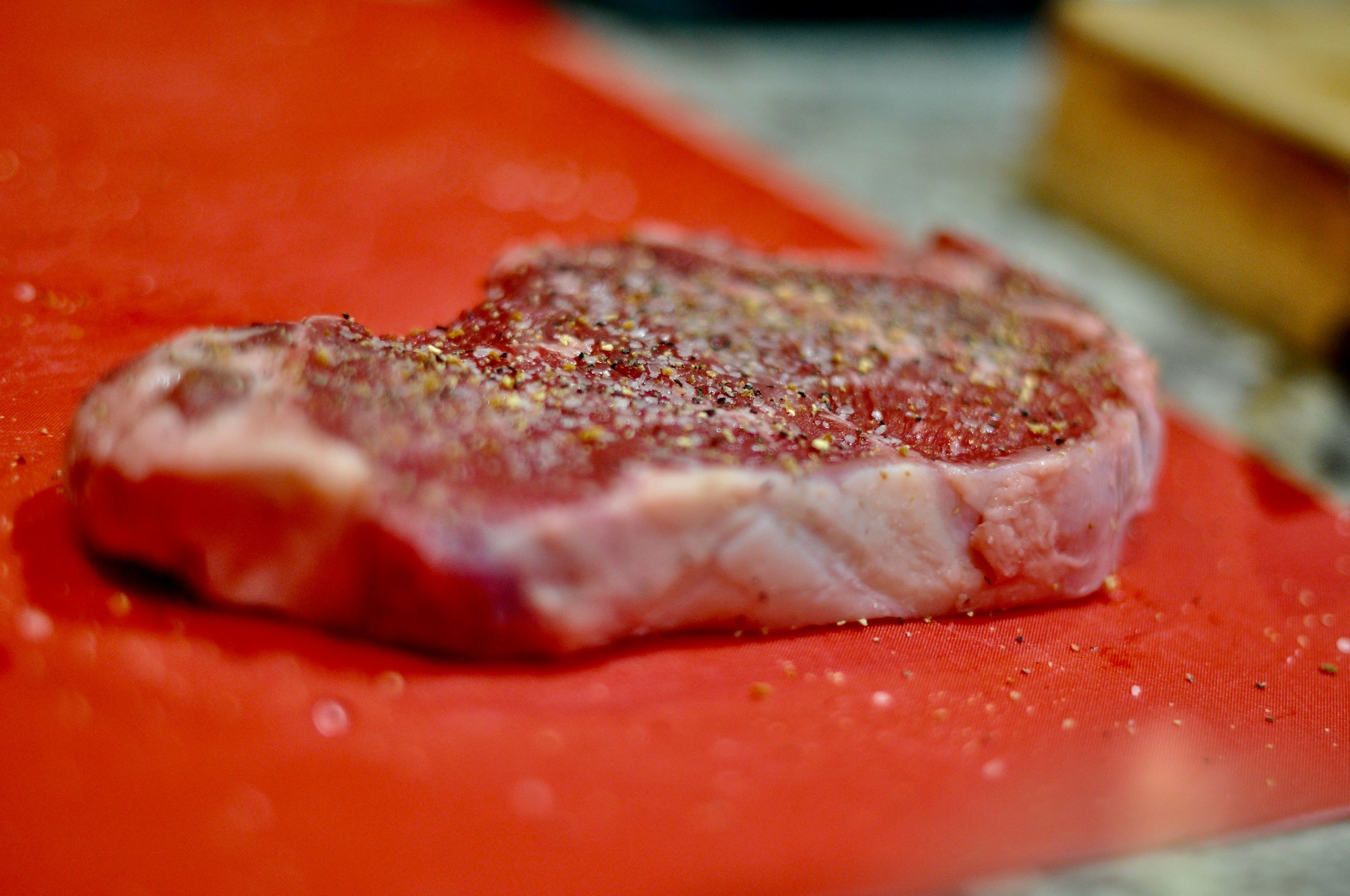
Hosting your own steakhouse event at home can be an exciting way to bring the steakhouse experience into your space while creating lasting memories with friends and family. To start, consider selecting high-quality cuts of meat from your local butcher or grocery store—opt for well-marbled options like ribeye or filet mignon for maximum flavor and tenderness. Marinating or seasoning your steaks ahead of time can enhance their taste; simple rubs made from salt, pepper, garlic powder, and fresh herbs work wonders.
Next, focus on creating an inviting atmosphere that mimics the ambiance of a traditional steakhouse. Dim lighting, elegant table settings with cloth napkins, and soft background music can set the mood for your gathering. Don’t forget about side dishes; classic accompaniments like roasted vegetables or creamy mashed potatoes will complement your steaks beautifully.
Finally, consider offering wine pairings that match your menu—this thoughtful touch will elevate your event and impress your guests. In conclusion, hosting your own steakhouse event allows you to celebrate good food and great company while embracing the essence of what makes steakhouses so special. With careful planning and attention to detail, you can create an unforgettable dining experience right in your home.
If you’re looking for an authentic steakhouse event dining experience, you should check out the events page on Pampas Gaucho Brazilian Steakhouse’s website. They offer a variety of special dining events that showcase their delicious cuts of meat and traditional Brazilian cuisine. For more information on one of their past events, you can read about it in this gallery post here. Additionally, stay up to date on all the latest news and updates from Pampas Gaucho Brazilian Steakhouse by visiting their news page here.
FAQs
What is an authentic steakhouse event dining?
Authentic steakhouse event dining refers to a dining experience that focuses on serving high-quality steaks in a traditional steakhouse setting. It often includes a carefully curated menu, attentive service, and a sophisticated atmosphere.
What can I expect from an authentic steakhouse event dining?
At an authentic steakhouse event dining, you can expect to enjoy premium cuts of steak cooked to perfection, along with a selection of classic sides and accompaniments. The dining experience is often characterized by a focus on quality ingredients, expert preparation, and a welcoming ambiance.
What are some common features of an authentic steakhouse event dining?
Common features of an authentic steakhouse event dining may include a well-stocked bar with a selection of fine wines and spirits, a cozy and elegant decor, attentive and knowledgeable staff, and a menu that showcases a variety of steak cuts and cooking styles.
How can I find an authentic steakhouse event dining near me?
You can find an authentic steakhouse event dining near you by searching online for highly-rated steakhouse restaurants in your area. Additionally, you can ask for recommendations from friends, family, or colleagues who have dined at a steakhouse and had a positive experience.