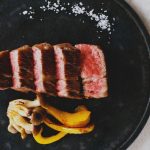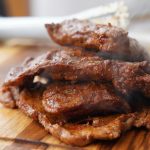
Rodizio dinner is a unique dining experience that originates from Brazil, characterized by its all-you-can-eat style of service. The term “rodizio” translates to “rotation” in Portuguese, which aptly describes the way food is served in this format. Diners are treated to a continuous parade of various meats, expertly grilled and presented by skilled servers known as gauchos.
Each gaucho carries skewers of different cuts of meat, offering them directly to guests at their tables. This interactive and engaging style of dining not only allows patrons to sample a wide variety of flavors but also creates a lively atmosphere that is both festive and communal. The rodizio experience typically begins with a selection of appetizers, often including traditional Brazilian fare such as pão de queijo (cheese bread) and a fresh salad bar.
Once guests are settled, the gauchos begin their rounds, slicing tender cuts of beef, pork, lamb, and chicken right onto the plates of eager diners. This method of serving ensures that each guest can enjoy their preferred meats cooked to perfection, while also encouraging them to try new flavors and cuts they may not have considered before. The rodizio dinner is not just a meal; it’s an event that celebrates the rich culinary traditions of Brazil.
Key Takeaways
- Rodizio dinner is a traditional Brazilian dining experience where servers bring a variety of grilled meats to your table until you’re full.
- The history of Brazilian rodizio dates back to the 1800s and has roots in the gaucho culture of southern Brazil.
- A traditional rodizio dinner offers a unique and interactive dining experience, with an emphasis on communal eating and socializing.
- Rodizios feature a wide variety of meats and cuts, including beef, pork, chicken, and lamb, all expertly grilled and seasoned.
- Sides and accompaniments such as rice, beans, and salads play a crucial role in complementing the flavors of the meats at a rodizio dinner.
The History of Brazilian Rodizio
The origins of rodizio can be traced back to the southern regions of Brazil, particularly in the state of Rio Grande do Sul, where the gaucho culture flourished. Gauchos, who are skilled horsemen and cattle herders, developed a unique style of cooking known as “churrasco,” which involves grilling meats over an open flame or charcoal. This method of cooking was not only practical for the gauchos who spent long hours tending to cattle but also resulted in incredibly flavorful and tender meats.
Over time, this cooking style evolved into the rodizio dining experience we know today. As Brazilian immigrants began to settle in various parts of the world, they brought their culinary traditions with them. The rodizio concept gained popularity in the United States during the late 20th century, particularly in cities with diverse populations.
Brazilian steakhouses, or churrascarias, began to emerge, offering diners an authentic taste of Brazil’s rich culinary heritage. Today, rodizio dinners are celebrated not only for their delicious offerings but also for the cultural experience they provide, allowing guests to immerse themselves in the vibrant traditions of Brazilian cuisine.
The Experience of a Traditional Rodizio Dinner

A traditional rodizio dinner is an immersive experience that engages all the senses. Upon entering a Brazilian steakhouse, guests are often greeted with the warm aroma of grilled meats wafting through the air. The ambiance is typically lively and inviting, with colorful decor that reflects Brazil’s rich culture.
As diners are seated, they are presented with a card that usually has two sides: one side indicates that they are ready for more meat, while the other signals that they need a break. Once the meal begins, guests can expect a steady flow of gauchos presenting various cuts of meat at their tables. Each gaucho is knowledgeable about the different types of meat being served and can provide recommendations based on individual preferences.
This personalized service adds an element of excitement to the dining experience as guests can engage with the gauchos and learn more about the culinary traditions behind each dish. The combination of delicious food, engaging service, and a vibrant atmosphere makes a traditional rodizio dinner a memorable occasion for all who partake.
The Variety of Meats and Cuts Served at a Rodizio
| Meat/Cut | Description | Preparation | Flavor |
|---|---|---|---|
| Picanha | Top sirloin cap | Grilled with rock salt | Rich and juicy |
| Filet Mignon | Tenderloin | Grilled to perfection | Buttery and tender |
| Costela | Beef ribs | Slow-roasted | Flavorful and succulent |
| Frango | Chicken thighs | Marinated and grilled | Moist and flavorful |
| Linguica | Brazilian sausage | Grilled to perfection | Spicy and savory |
One of the most enticing aspects of a rodizio dinner is the incredible variety of meats and cuts available to diners. Typically, a rodizio will feature an array of beef cuts such as picanha (top sirloin), fraldinha (flank steak), and costela (beef ribs), each prepared with its own unique seasoning and cooking technique. In addition to beef, diners can also enjoy succulent pork options like pernil (pork leg) and linguiça (Brazilian sausage), as well as tender lamb and juicy chicken.
The preparation methods used in rodizio dining are key to achieving the rich flavors that define Brazilian barbecue. Meats are often seasoned simply with coarse salt or marinated in traditional spices before being grilled to perfection over an open flame. This technique allows the natural flavors of the meat to shine through while creating a deliciously charred exterior.
As gauchos circulate throughout the dining room, guests can sample as many cuts as they desire, making it an ideal experience for meat lovers looking to indulge in a variety of flavors and textures.
The Importance of Sides and Accompaniments in a Rodizio Dinner
While the focus of a rodizio dinner is undoubtedly on the meats, sides and accompaniments play a crucial role in creating a well-rounded dining experience. Traditional Brazilian side dishes often include rice, black beans, farofa (toasted cassava flour), and vinaigrette salsa made from diced tomatoes and onions. These sides not only complement the rich flavors of the grilled meats but also provide a balance to the meal.
In addition to these staples, many Brazilian steakhouses offer an extensive salad bar featuring fresh vegetables, cheeses, and various dressings. This allows diners to create their own salads or enjoy lighter fare alongside their meat selections. The combination of hearty sides and fresh accompaniments enhances the overall dining experience by providing contrasting flavors and textures that elevate each bite.
Ultimately, these elements work together to create a harmonious meal that celebrates the diverse culinary traditions of Brazil.
The Role of Gauchos in a Rodizio Experience

Gauchos are an integral part of the rodizio dining experience, serving not only as servers but also as ambassadors of Brazilian culture. Dressed in traditional attire that often includes wide-brimmed hats and boots, gauchos bring an authentic touch to the meal as they expertly navigate between tables with skewers of sizzling meat. Their knowledge of each cut and preparation method allows them to engage with diners, sharing stories about Brazilian barbecue traditions while ensuring that each guest receives personalized attention.
The gaucho’s role extends beyond simply serving food; they are also responsible for maintaining the flow of the dining experience. With their keen sense of timing, gauchos gauge when diners are ready for more meat or when they might need a break from the feast. This attentive service creates an enjoyable atmosphere where guests feel cared for and engaged throughout their meal.
The presence of gauchos adds an element of excitement to the rodizio experience, making it not just about eating but also about celebrating Brazilian culture and hospitality.
Vegetarian and Vegan Options at a Rodizio Dinner
While rodizio dinners are primarily known for their meat offerings, many Brazilian steakhouses recognize the importance of catering to vegetarian and vegan diners as well. In response to growing dietary preferences and restrictions, these establishments often provide a variety of plant-based options that allow everyone to enjoy the experience. Salads made from fresh greens, roasted vegetables, and grains are commonly found on salad bars, providing nutritious choices for those who prefer lighter fare.
Additionally, some steakhouses offer specific vegetarian or vegan dishes that showcase Brazilian flavors without relying on meat. For example, dishes like grilled polenta or vegetable skewers can be prepared with traditional seasonings to create satisfying alternatives for non-meat eaters. By incorporating these options into their menus, Brazilian steakhouses ensure that all guests can partake in the communal dining experience that defines rodizio dinners while enjoying delicious food tailored to their dietary needs.
Tips for Enjoying a Brazilian Rodizio Dinner
To make the most out of your rodizio dinner experience, there are several tips to keep in mind. First and foremost, arrive with an appetite! The all-you-can-eat format encourages diners to sample various meats and sides, so it’s best to come hungry to fully enjoy everything on offer.
Additionally, pace yourself throughout the meal; it can be tempting to dive into every dish immediately, but taking your time allows you to savor each flavor without feeling overwhelmed. Another helpful tip is to start with lighter fare from the salad bar before indulging in heavier meats. This approach not only helps balance your meal but also prepares your palate for the rich flavors that will follow.
Don’t hesitate to ask gauchos for recommendations or information about specific cuts; they are there to enhance your experience and can guide you toward some hidden gems on the menu. Lastly, remember to enjoy the atmosphere! A rodizio dinner is as much about socializing and celebrating as it is about food—so relax, engage with your dining companions, and immerse yourself in this vibrant culinary tradition.
If you’re interested in learning more about Brazilian rodizio dinners, you should check out this article on Pampa Gaucho’s upcoming events. This post provides information on the different types of rodizio dinners offered at the restaurant and gives insight into the traditional Brazilian dining experience. It’s a great resource for anyone looking to immerse themselves in the culture and cuisine of Brazil.
FAQs
What is a Brazilian rodizio dinner?
A Brazilian rodizio dinner is a traditional style of dining where a variety of grilled meats are brought to the table and carved directly onto the diners’ plates. It is a popular dining experience in Brazil and has become popular in other countries as well.
What is typically included in a Brazilian rodizio dinner?
A typical Brazilian rodizio dinner includes a wide variety of meats such as beef, pork, chicken, and sausage, all of which are grilled on skewers and brought to the table for diners to enjoy. In addition to the meats, a rodizio dinner often includes a salad bar and side dishes such as rice, beans, and fried bananas.
How is a Brazilian rodizio dinner served?
In a Brazilian rodizio dinner, diners are typically given a card or token that is green on one side and red on the other. When the card is turned to green, it signals to the servers that the diner is ready to receive more meat. When the card is turned to red, it indicates that the diner is taking a break or has finished eating.
What is the history of Brazilian rodizio dinners?
The tradition of Brazilian rodizio dinners dates back to the 19th century in Brazil, where it originated as a way for gauchos (Brazilian cowboys) to cook and enjoy their meat over an open flame. Over time, the tradition evolved into the rodizio dining experience that is popular today.
What are some popular meats served at a Brazilian rodizio dinner?
Some popular meats served at a Brazilian rodizio dinner include picanha (top sirloin), filet mignon, pork ribs, chicken hearts, sausage, and lamb. These meats are typically seasoned with salt and grilled to perfection before being served to diners at the table.